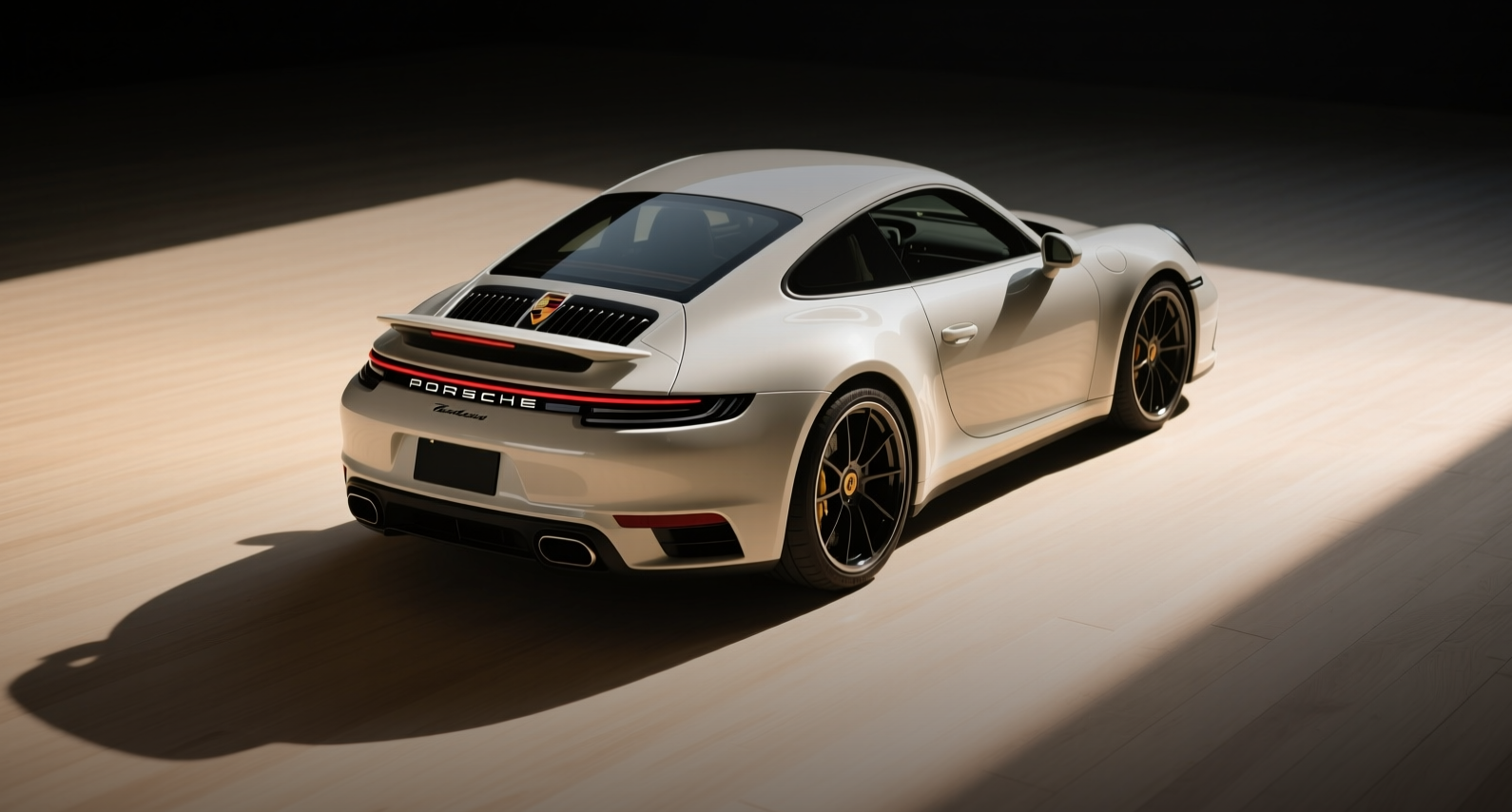
Volkswagen AG, Otomobiller sektöründe faaliyet gösteren Almanya merkezli bir şirkettir. Şirketin merkezi Niedersachsen eyaletindeki Wolfsburg şehrinde olup şu anda 679.472 tam zamanlı çalışanı bulunmaktadır. Volkswagen AG, araçların üretimini ve satışını gerçekleştiren Almanya merkezli bir şirkettir. Grup, Otomotiv Bölümü ve Finansal Hizmetler Bölümü olmak üzere iki bölümden oluşmaktadır. Otomotiv Bölümü, Binek Otomobiller, Ticari Araçlar ve Güç Mühendisliği iş alanlarını kapsamaktadır. Bu bölüm, araçlar, motorlar ve araç yazılımlarının geliştirilmesi, binek otomobillerin, hafif ticari araçların, kamyonların, otobüslerin ve motosikletlerin üretim ve satışına, orijinal yedek parçalar, büyük çaplı dizel motorlar, türbomakine ve tahrik bileşenleri gibi alanlarda faaliyet göstermektedir. Finansal Hizmetler Bölümü ise bayi ve müşteri finansmanı, kiralama, direkt bankacılık ve sigorta faaliyetleri, filo yönetimi ve mobilite hizmetlerine odaklanmaktadır. Marka portföyüne Volkswagen, Audi, SEAT, Škoda, Bentley, Lamborghini, Porsche, Ducati, Volkswagen Ticari Araçlar, Scania ve MAN markaları dahildir.
Volkswagen AG 'in mevcut fiyatı $8.87 'dir, son işlem günde 0% azalmış etti.
Volkswagen AG için ana iş temaları veya sektörler nelerdir?
Volkswagen AG Automobiles endüstrisine ait ve sektör Consumer Discretionary 'dir
Volkswagen AG 'in piyasa değerlemesi nedir?
Volkswagen AG 'in mevcut piyasa değerlemesi $26.1B 'dir
Volkswagen AG al, sat, yoksa beklemeli mi?
Wall Street analistlerine göre, 8 analist Volkswagen AG için analist derecelendirmeleri gerçekleştirdi, bunlar 2 güçlü al, 4 al, 1 tut, 0 sat ve 2 güçlü sat içermektedir