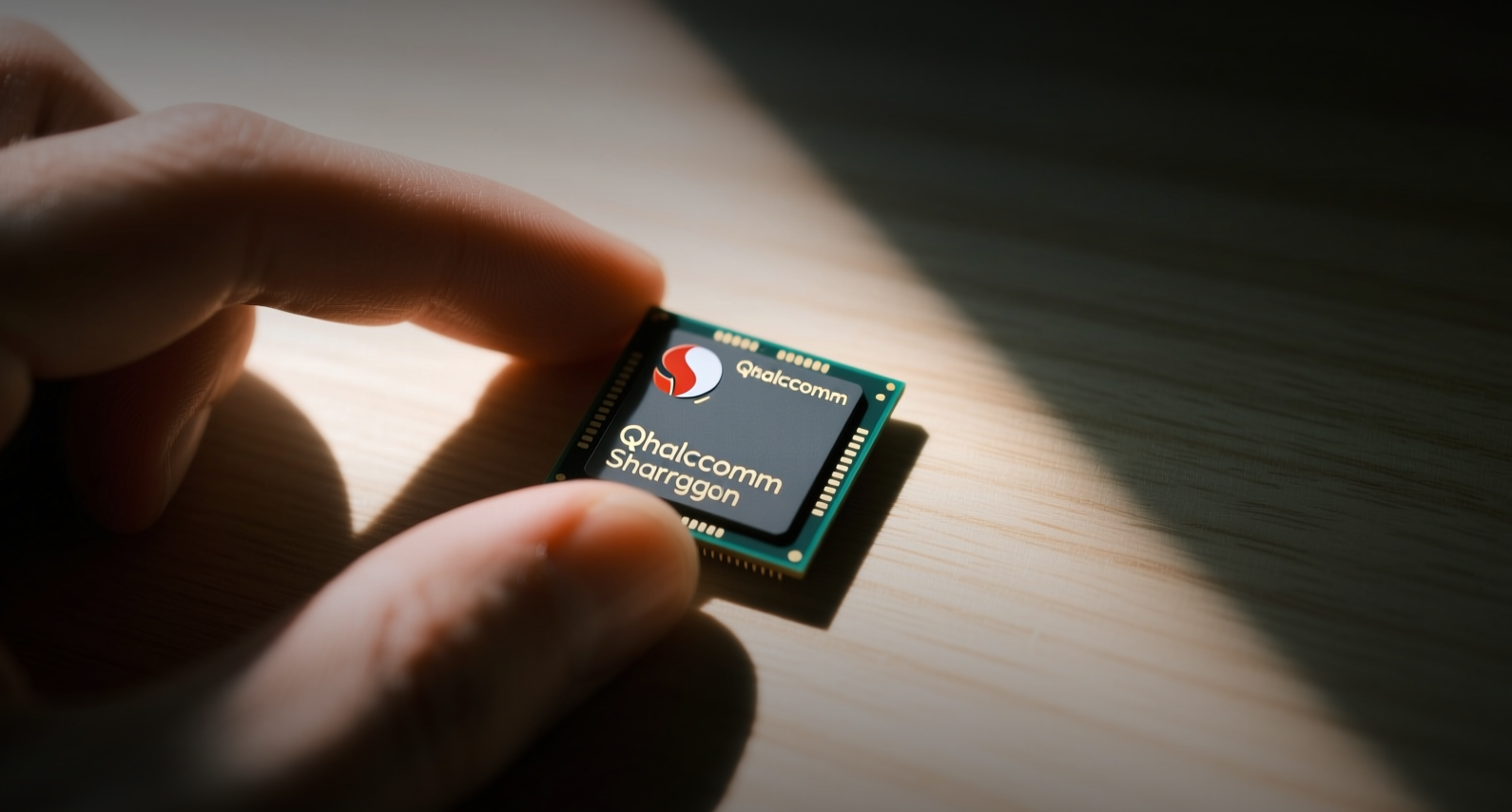
Qualcomm Inc. will raise processor prices by a double-digit percentage starting Sept. 1, Chief Executive Officer Cristiano Amon confirmed, as a structural memory chip shortage drives component costs higher and pushes smartphone buyers toward cheaper or older devices.
"Cost went up, prices are going to go up," Amon told CNBC on Wednesday, after the company reported its lowest quarterly handset revenue since 2021. The price increases apply across Qualcomm's entire processor lineup and follow what the CEO described as "very significant" memory chip price increases that are now changing consumer behavior.
Qualcomm's handset revenue fell 20 percent year over year to $5.1 billion in the fiscal third quarter, a decline the company attributed to "unprecedented increases in memory pricing and supply constraints." The memory shortage — driven by Samsung, SK Hynix, and Micron shifting fabrication capacity to high-bandwidth memory for AI accelerators — has pushed the per-gigabyte cost of LPDDR5X mobile RAM from $2.80 in 2025 to $12 in 2026, according to Morgan Stanley analyst Shawn Kim's data cited by Google's hardware chief. Conventional DRAM contract prices rose 90 to 95 percent quarter over quarter in the first three months of 2026 alone, per TrendForce.
The price hikes mark a structural shift for an industry already under pressure. IDC projects the average smartphone will sell for a record $523 in 2026, a 14 percent year-over-year jump, while global shipments are forecast to fall 12.9 percent to approximately 1.12 billion units — the weakest year in more than a decade. Amon said the smartphone market will remain "subdued," with buyers in the premium segment increasingly choosing prior-generation flagships or cheaper models to avoid higher prices. Some phone makers are already using older Qualcomm chips in new devices to manage component costs, Chief Financial Officer Akash Palkhiwala said on the earnings call.
How the memory shortage is squeezing Qualcomm's margins
The mechanism squeezing Qualcomm is straightforward: the company buys DRAM and NAND from memory manufacturers and packages them with its processors into modules sold to phone makers. When memory prices triple, Qualcomm either absorbs the cost — compressing its margins — or passes it to customers. Amon chose the latter, calling the margin hit a temporary problem the company is fixing with price increases.
The three companies that supply more than 95 percent of the world's DRAM — Samsung, SK Hynix, and Micron — have systematically shifted production lines to HBM (high-bandwidth memory), the vertically stacked chips used in Nvidia Corp.'s AI accelerators. A single HBM3E module sells for $60 to $100, compared with $5 to $10 for an equivalent amount of conventional DRAM, creating a revenue-per-wafer gap that makes the reallocation economically permanent. Producing HBM consumes three to four times more wafer area per gigabyte of usable memory than conventional DRAM, meaning every line converted to HBM removes the equivalent of three to four LPDDR5X lines from the consumer market.
SK Group Chairman Chey Tae-won said in March the shortage is likely to persist until 2030. Industry consensus from TrendForce and IDC puts meaningful new supply capacity coming online no earlier than late 2027 or 2028.
Qualcomm pivots to automotive and data centers as phone revenue shrinks
Qualcomm's response to the smartphone slowdown is a strategic pivot that has been underway for years but is now accelerating. Non-handset sales — including chips for cars, data centers, and smart glasses — are on pace to make up 60 percent of Qualcomm's revenue next year, Amon said. The company recently signed a deal to supply BMW AG with digital cockpit chips as part of its push toward $10 billion in automotive revenue by 2029, and it remains on track to hit $5 billion in data center revenue next year.
The shift is partly forced. Qualcomm's Apple Inc. modem business is shrinking faster than planned, with Amon saying supply constraints will push its share of the modem inside the next iPhone well below its earlier estimate of 20 percent. By 2029, the company expects only one-third of its revenue to come from phones, down from roughly half today.
For investors, the question is whether Qualcomm's automotive and data center businesses can grow fast enough to offset the handset decline. The company trades at roughly 15 times forward earnings, a discount to Broadcom Inc. at 28 times and Nvidia at 35 times, reflecting the market's skepticism about the pace of the pivot. Amon's price increases may protect margins in the near term, but they also risk accelerating the shift in consumer behavior he described — pushing more buyers to cheaper phones, older chips, or extended replacement cycles that shrink the total addressable market.
This article is for informational purposes only and does not constitute investment advice.