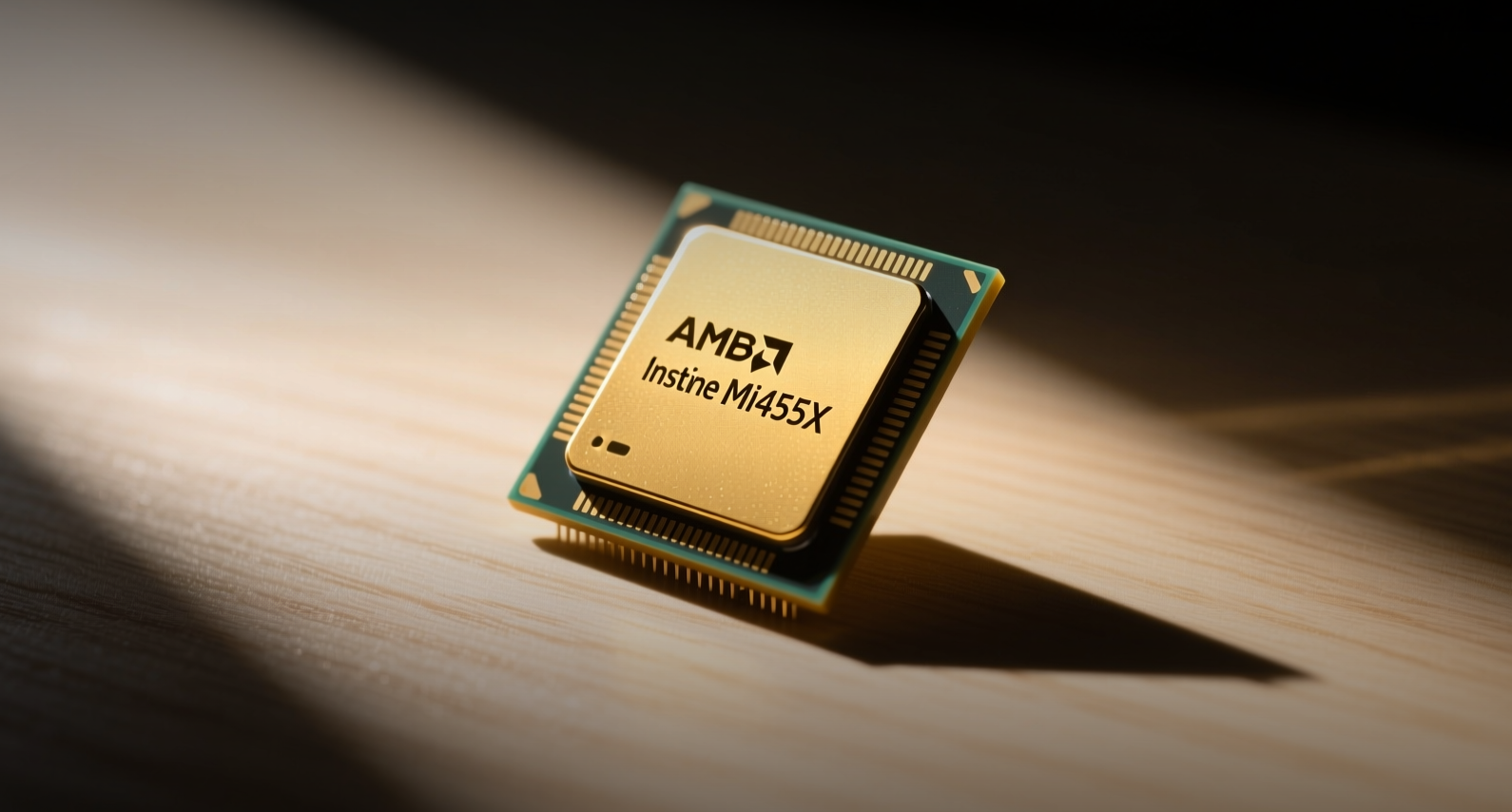
Schneider Electric and AMD released the first jointly developed reference design for the AMD Helios rackscale solution, giving data center operators a validated blueprint for deploying high-density AI environments at up to 10.4 megawatts of IT load per cluster.
"Today organizations require comprehensive, AI-ready reference designs that can take them from planning to deployment faster and with less risk," said Manish Kumar, executive vice president of secure power and data centers at Schneider Electric. "Through our collaboration with AMD, we're delivering an engineering-backed reference design that bridges the gap between advanced AI compute platforms, energy tech, and real-world data center implementation."
The reference design supports individual rack densities of 246 kilowatts and uses advanced liquid cooling from Schneider Electric's Motivair division, which can remove as much as 84 percent of heat through CDU-based and hybrid air-liquid approaches. The design achieves a power usage effectiveness as low as 1.12 at full load, according to the companies. It covers four technical domains: facility power, facility cooling, IT space, and lifecycle software.
The collaboration marks the first milestone of a broader push by AMD to make its Helios platform — powered by Instinct MI455X GPUs, sixth-generation EPYC CPUs and Pensando Vulcano NICs — easier for hyperscalers and AI cloud operators to deploy at scale. The reference design has been validated to ANSI standards for US deployments, with plans to extend to IEC standards for global markets. The companies said the blueprint shortens the planning process by modeling how power, cooling and IT infrastructure should be organized for AI workloads.
What the Reference Design Covers
The blueprint includes electrical and thermal designs validated using ETAP and EcoStruxure IT Design CFD simulation tools, enabling real-time monitoring and AI-driven predictive maintenance. An integrated electrical digital twin lets operators model, analyze and manage infrastructure performance, while AVEVA's Unified Operations Center provides real-time operational visibility. The design supports modular, multi-cluster environments for greenfield AI factories and high-density retrofit deployments.
Competitive and Market Implications
The reference design strengthens AMD's position against Nvidia in the AI data center infrastructure race by providing a complete power-to-compute blueprint rather than just a GPU specification. Nvidia has pursued a similar strategy through its Nvidia-Certified Systems program and partnerships with cooling providers, but AMD's tie-up with Schneider Electric — the dominant player in data center power and cooling infrastructure — gives it a distribution channel into thousands of existing facilities. Schneider Electric's global partner network spans more than one million partners across 100 countries.
The timing aligns with surging demand for AI data center capacity. Alignment Engine, an AI infrastructure company, confirmed it will deploy AMD Helios racks at its Ohio data center beginning in 2027, citing the platform's power and cooling efficiency as a deciding factor. The company said it chose Helios specifically to address community concerns about electricity consumption and grid impact.
AMD shares have gained roughly 30 percent over the past 12 months, while Schneider Electric trades near record levels as investors price in the data center buildout cycle. The reference design gives both companies a tangible product to sell into the estimated $1 trillion in cumulative AI data center CapEx projected through 2030 by industry analysts.
This article is for informational purposes only and does not constitute investment advice.