


Chevron's 20-year Microsoft power deal for a 2.67-gigawatt Texas data center marks the oil major's entry into AI infrastructure.
Chevron's 20-year Microsoft power deal for a 2.67-gigawatt Texas data center marks the oil major's entry into AI infrastructure.
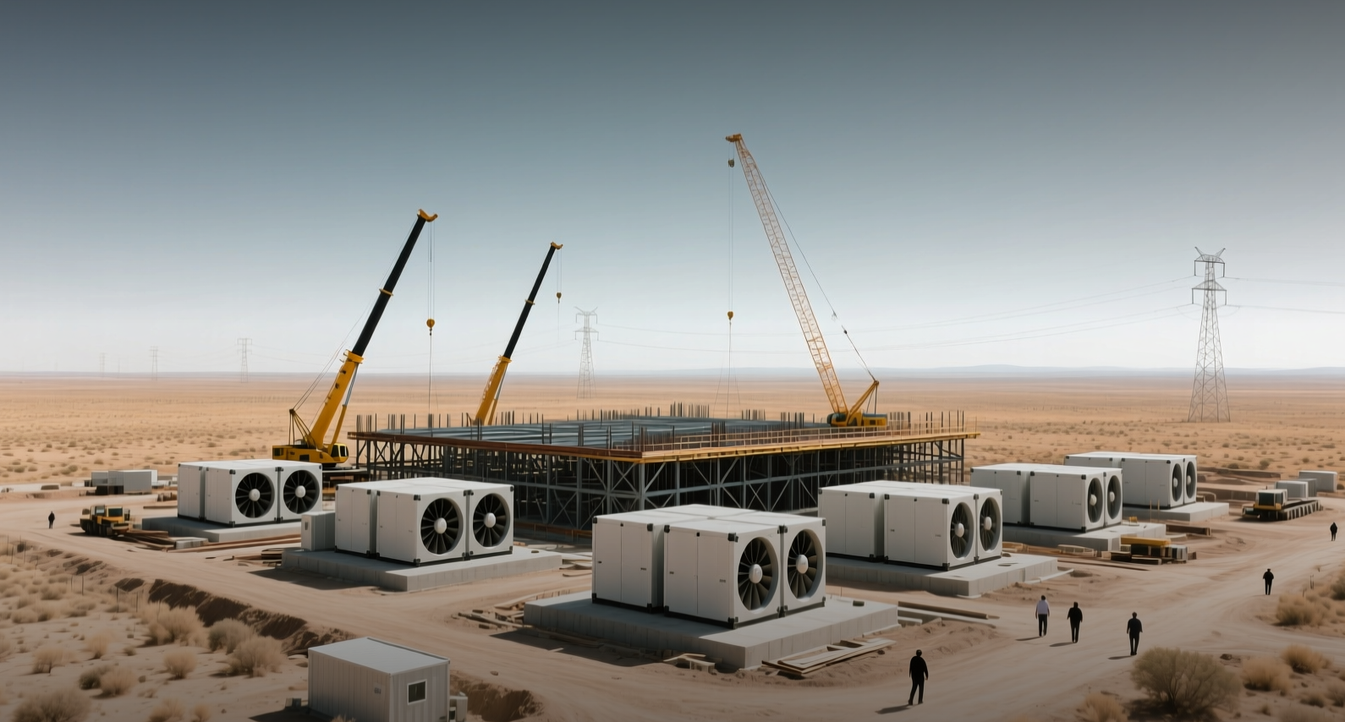
Chevron signed a 20-year take-or-pay power purchase agreement with Microsoft on June 22 to supply electricity for a 2.67-gigawatt data center campus in Reeves County, West Texas, locking in a diversified revenue stream beyond commodity price swings.
"The take-or-pay structure eliminates upstream gas price volatility for Chevron while Microsoft secures scarce baseload energy decades in advance," said Omar Tariq, an energy analyst covering oil, gas, and the energy transition.
The project, known as Project Kilby, will be developed through Chevron's Energy Forge One subsidiary alongside Engine No. 1 and Microsoft. Most generation will come from GE Vernova gas turbines, with additional capacity from Solar Turbines, a Caterpillar subsidiary. Chevron will supply natural gas directly from its Permian Basin production. First power is expected in 2028, with a final investment decision targeted by the end of 2026. The project is expected to generate more than $10 billion in state and local tax revenue and support nearly 2,000 construction jobs.
For Chevron, the deal converts associated natural gas — a byproduct of crude drilling that often faces flaring constraints — into a contracted, high-margin revenue stream. The company is targeting mid-teen returns on Project Kilby, a structure that reduces merchant power risk through a 20-year counterparty commitment. For Microsoft, the behind-the-meter arrangement bypasses grid interconnection queues that have delayed data center projects across the United States.
The agreement comes as hyperscalers race to secure power for AI infrastructure. Microsoft's data center campus in West Texas will rely on dedicated gas-fired generation rather than regional transmission expansion, a model that shifts the bottleneck from grid interconnection to project execution. The modular, phased build-out allows capacity to come online incrementally, though the exact module sizes and phase allocations have not been disclosed.
Chevron's move into data center power follows a second quarter in which the company beat street estimates on higher oil prices, increased production volumes, and strong refining margins. The Microsoft deal, however, represents a structural shift: it ties Chevron's natural gas production to a 20-year contracted electricity demand, insulating a portion of its output from commodity price cycles.
The deal also carries execution risks. The project has not reached a final investment decision, and permitting, turbine procurement, construction sequencing, and water sourcing remain open variables. Chevron plans to use non-potable and brackish groundwater, including potential reuse of produced water from oil and gas operations, to reduce freshwater pressure in the arid West Texas region.
Emissions controls, including selective catalytic reduction systems to reduce nitrogen oxides, will be installed, but the project still produces greenhouse gas emissions. Microsoft's corporate emissions reporting obligations and enterprise cloud customers' scrutiny of AI compute power sourcing could add compliance costs over the two-decade contract.
Grid operators are still adapting to the surge in large-load interconnections. The Federal Energy Regulatory Commission in June issued show-cause orders to regional transmission organizations, flagging five issues in their large-load interconnection rules, including cost-shift prevention and transmission cost transparency. Microsoft has separately disputed transmission service agreements with utilities in Wisconsin and Illinois, arguing that current frameworks fail to protect ratepayers from data center infrastructure costs.
The Chevron-Microsoft agreement reflects a broader shift in how energy companies monetize natural gas. As AI data center capacity expands, hyperscalers including Microsoft, Amazon, and Google are signing long-term power agreements with gas producers and independent power developers. Chevron's entry into this market through Project Kilby places it alongside other energy majors seeking contracted revenue from the AI infrastructure buildout.
For GE Vernova, the deal strengthens its position as a key supplier of gas turbines for data center power generation. The company's turbines will provide most of Project Kilby's 2.67 GW capacity, a scale that shows the industrial requirements of AI infrastructure.
The 20-year take-or-pay structure provides Chevron with revenue visibility that traditional oil and gas production cannot match. If the project executes on schedule and the contract terms pass through fuel and inflation costs effectively, Project Kilby could deliver the mid-teen returns Chevron has targeted. The final investment decision expected by the end of 2026 will be the key milestone to watch.
This article is for informational purposes only and does not constitute investment advice.
