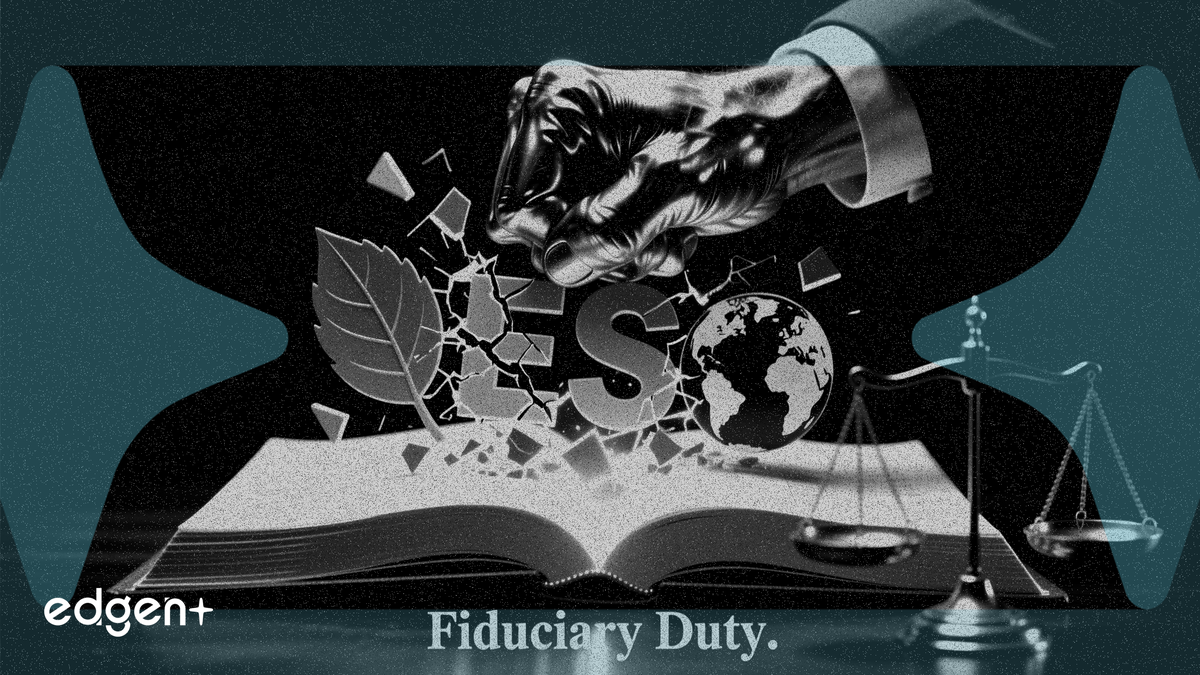
Investor Support for ESG Collapses to 13%
Investor backing for environmental, social, and governance (ESG) stockholder resolutions has cratered, signaling widespread discontent with the strategy's financial returns. Overall investor support for these proposals fell from 33% in 2021 to just 13% in 2025. The decline is even steeper among asset managers voting on behalf of their clients, with their support dropping from 46% in 2021 to 18% in 2025. This sharp reversal in sentiment reflects a growing recognition that ESG-constrained funds often underperform financially while delivering few tangible environmental or social benefits. The number of ESG proposals voted on during the last proxy year also fell by 33% from the prior year, indicating a significant retreat from activist-led corporate resolutions.
Trump Order Mandates Fiduciary Duty Over ESG Goals
In response to investor concerns, a new executive order signed by President Trump aims to rein in ESG-focused investing by reaffirming strict fiduciary duty. The order explicitly extends this responsibility to proxy advisory firms, mandating they prioritize investor returns over political agendas. This action seeks to end what the order's proponents call "backdoor socialism," where asset managers have used investor capital to advance anticarbon and pro-DEI goals contrary to the financial interests of general investors. The Securities and Exchange Commission (SEC) has compounded this regulatory pressure by announcing a review of Biden-era rules that govern ESG funds, signaling a broad, government-led push for greater accountability.
ESG Funds Face Scrutiny for High Fees and Poor Returns
ESG investment funds are under fire for failing to deliver on their dual promise of positive impact and competitive financial performance. Critics point to systemic financial underperformance, which is often worsened by higher management fees compared to traditional funds. Many ESG funds rely on inconsistent analytics, and there is rarely a systematic effort to verify the claimed non-pecuniary impact, leading to accusations of "greenwashing." A Harvard Business Review survey found that ESG investments have not made a significant difference in companies' actual ESG performance and perform poorly in financial terms. The new regulations aim to bring transparency and authentic data to a market where U.S. investors have directed $6.6 trillion toward achieving sustainable outcomes.
 Edgen Stock·Mar 19 2026, 02:12