

Key Takeaways:
- Qualcomm completed tape-out of its HBC Gen 1 chip for AI data centers
- The chip targets high-bandwidth computing, challenging Nvidia and AMD
- Volume production remains likely a year or more away
Key Takeaways:
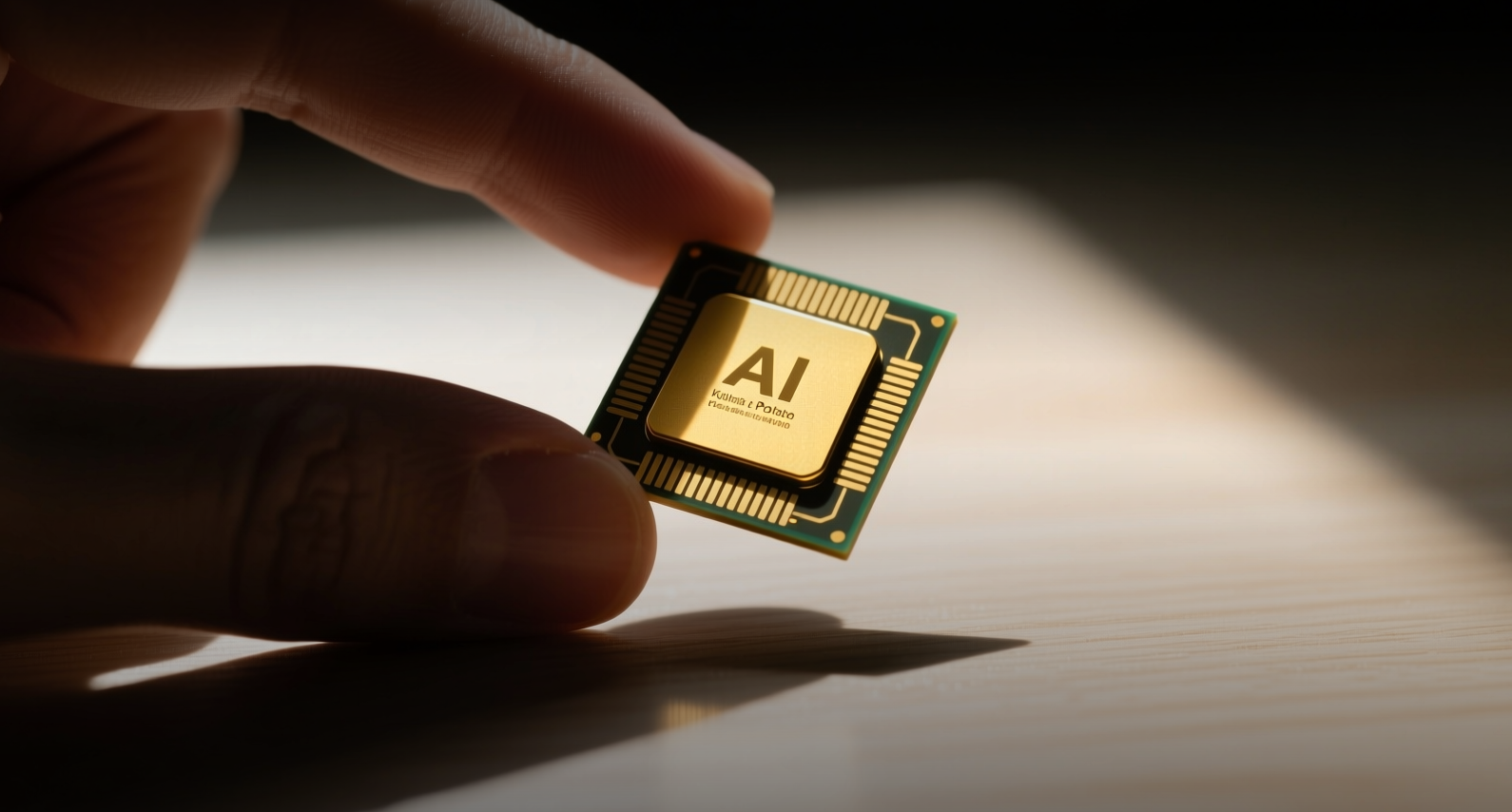
Qualcomm's HBC Gen 1 tape-out marks the company's entry into high-bandwidth computing, a market dominated by Nvidia.
Qualcomm Inc. completed tape-out of its HBC Gen 1 chip, a milestone in the company's push into high-bandwidth computing for artificial intelligence workloads in data centers.
"The completion of HBC Gen 1 tape-out marks a key step in our computing roadmap," Cristiano Amon, chief executive officer of Qualcomm, said.
Tape-out is the final design stage before a chip enters manufacturing, typically followed by sample delivery and qualification testing that can take six to 12 months. Qualcomm did not disclose the process node, foundry partner or performance targets for HBC Gen 1. The chip targets high-bandwidth computing, a category focused on moving data faster between processors and memory — a bottleneck in AI systems as models grow larger and require more data movement between compute and memory units.
The milestone positions Qualcomm to challenge Nvidia Corp. and Advanced Micro Devices Inc. in data center AI chips, a market where Qualcomm has limited share. The company is also raising prices during a memory supply crunch, according to a separate report, as it navigates higher component costs while expanding into new computing segments.
Qualcomm's HBC push comes as the semiconductor industry shifts from copper-based interconnects to optical technologies to handle AI's data demands. GlobalFoundries Inc. last week received a $300 million CHIPS R&D award to accelerate silicon photonics development, a technology Kevin O'Buckley, Qualcomm's executive vice president of global operations and supply chain, has said will support next-generation AI platforms by addressing growing bandwidth and connectivity demands.
The tape-out milestone follows Qualcomm's broader strategy to diversify beyond its core smartphone chip business into automotive, PC and data center computing. The company's Snapdragon X series for PCs and its automotive Snapdragon Ride platform represent existing bets outside mobile. Qualcomm's data center ambitions face a steep climb: Nvidia controls the majority of the AI accelerator market, and AMD's MI300 series has gained traction with cloud providers including Microsoft Corp. and Meta Platforms Inc.
High-bandwidth computing chips differ from traditional processors by integrating memory and compute more tightly, reducing the energy and time spent moving data. The approach mirrors the architecture of Nvidia's Grace Hopper and AMD's MI300 lines, which combine CPU, GPU and high-bandwidth memory in a single package. Qualcomm has not disclosed whether HBC Gen 1 uses a similar unified architecture or a different design approach.
The memory supply crunch adds urgency to Qualcomm's timeline. High-bandwidth memory, a key component in AI accelerators, has been in short supply as demand from Nvidia and AMD outstrips production capacity from suppliers SK Hynix Inc., Samsung Electronics Co. and Micron Technology Inc. Qualcomm's ability to secure adequate memory allocation for HBC Gen 1 production will be a factor in its ramp timeline.
The HBC Gen 1 tape-out provides a tangible milestone for investors tracking Qualcomm's diversification beyond smartphones, though volume production remains likely a year or more away. The company's ability to secure cloud customer design wins for HBC will determine whether this becomes a material revenue driver. Qualcomm faces an uphill battle: Nvidia's data center revenue has grown to dominate the AI chip market, and AMD has established relationships with major cloud providers. The tape-out milestone, while early-stage, gives Qualcomm a concrete product to pitch to potential customers and a clearer narrative for its data center ambitions.
This article is for informational purposes only and does not constitute investment advice.
