




Irán obligó al presidente Donald Trump a negociar un nuevo alto el fuego en Líbano el lunes, aprovechando la amenaza de colapsar las conversaciones nucleares y un bloqueo en el Estrecho de Ormuz para proteger a Hezbolá de una represalia israelí.
Irán obligó al presidente Donald Trump a negociar un nuevo alto el fuego en Líbano el lunes, aprovechando la amenaza de colapsar las conversaciones nucleares y un bloqueo en el Estrecho de Ormuz para proteger a Hezbolá de una represalia israelí.
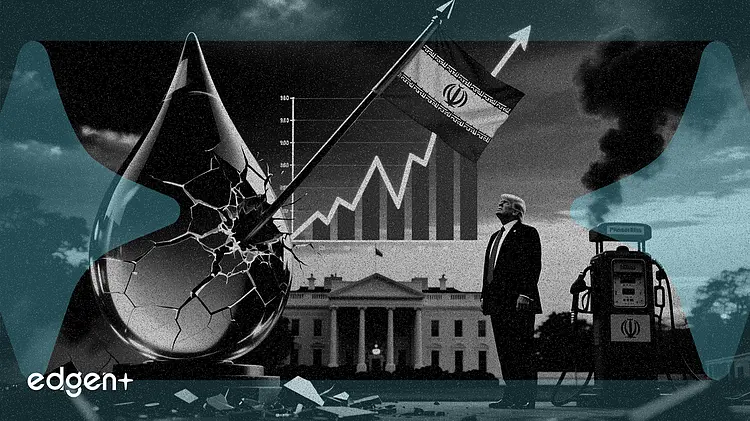
Irán obligó al presidente Donald Trump a negociar un nuevo alto el fuego en Líbano el lunes, aprovechando la amenaza de colapsar las conversaciones nucleares y un bloqueo en el Estrecho de Ormuz para proteger a Hezbolá de una represalia israelí.
Los medios estatales iraníes informaron el lunes por la mañana que el régimen había suspendido las comunicaciones con Estados Unidos después de que el primer ministro Benjamin Netanyahu ordenara ataques contra el bastión de Hezbolá en Dahiyeh, en el sur de Beirut. Hezbolá había intensificado sus ataques hasta un promedio de 125 cohetes y 49 drones por día la semana pasada, según datos militares israelíes, lo que hacía insostenible el statu quo para Israel.
"El régimen ha estado probando a Trump en todos los frentes: disparando contra fuerzas estadounidenses, derribando drones y ahora afirmando que abandona las negociaciones, y en cada ocasión él ha optado por evitar la escalada y seguir dialogando", dijo Elena Fischer, analista de riesgos geopolíticos con sede en Londres. "Si no envía un mensaje diferente, será difícil lograr que Irán cumpla con cualquier acuerdo".
El Brent de contado cerró un 4,2% al alza, a 94,98 dólares por barril, mientras que el West Texas Intermediate subió un 5,5%, a 92,16 dólares, después de que la agencia semioficial iraní Tasnim informara que el régimen estaba considerando cerrar el Estrecho de Ormuz. Esta vía fluvial maneja aproximadamente el 21% del comercio mundial de petróleo. Los precios de la gasolina en Estados Unidos han subido un 45% desde que comenzó la guerra, alcanzando un promedio nacional de 4,32 dólares por galón, según AAA.
Trump anunció en Truth Social que había asegurado un nuevo entendimiento: "Israel no los atacará, y ellos no atacarán a Israel". La Embajada de Líbano en Washington confirmó que Hezbolá había aceptado una propuesta estadounidense para un cese recíproco de ataques. Netanyahu emitió un comunicado más condicional, diciendo que Israel atacaría Beirut si Hezbolá continuaba atacando ciudades y civiles israelíes, mientras que las operaciones militares en el sur de Líbano continuarían según lo previsto.
La jugada de presión de Irán
La crisis se desencadenó después de que el ministro de Relaciones Exteriores de Irán, Abbas Araghchi, afirmara que el alto el fuego entre Estados Unidos e Irán del 7 de abril se aplicaba a "todos los frentes, incluido el Líbano", y que los ataques israelíes constituían una violación. Irán había derribado previamente un dron estadounidense sobre aguas internacionales y disparado misiles balísticos contra fuerzas estadounidenses en Kuwait, que el ejército de EE.UU. dijo haber interceptado sin víctimas.
Trump dijo a CNBC que le era indiferente el colapso de las conversaciones. "Sinceramente, no me importa si terminan. Creo que empezaron a volverse muy aburridas". Sin embargo, en cuestión de horas, su administración había negociado una nueva tregua en Líbano —la segunda en seis semanas— desvinculando efectivamente el frente de Beirut de las negociaciones más amplias entre Estados Unidos e Irán.
La última vez que Irán amenazó con suspender las conversaciones por un frente regional fue en abril, cuando Trump aseguró el primer alto el fuego en Líbano el 17 de abril. Esa tregua colapsó en cuestión de días, mientras Hezbolá continuaba disparando e Israel mantenía ataques en el sur de Líbano. El patrón plantea interrogantes sobre si el acuerdo del lunes resultará más duradero.
El Estrecho de Ormuz sigue siendo el punto de presión
Irán mantiene bloqueado el Estrecho de Ormuz desde finales de febrero, reduciendo los tránsitos comerciales diarios de más de 100 buques a una mínima expresión. El ejército estadounidense ha guiado a aproximadamente 70 barcos a través de la vía fluvial en las últimas tres semanas utilizando pasajes "oscuros" con los transpondedores apagados, según el Mando Central de EE.UU. Pero la mayoría de los buques permanecen varados, e Irán continúa exigiendo peajes para el tránsito por su ruta costera.
Trump ha endurecido los términos de un borrador de memorando de entendimiento con Irán, expresando su preocupación por las disposiciones que congelarían fondos iraníes —un paralelismo con el acuerdo nuclear de 2015 que ha criticado en repetidas ocasiones. Los términos revisados han sido devueltos a Teherán para su aprobación por el líder supremo Mojtaba Khamenei, un proceso que podría llevar semanas.
Sobre el terreno en Líbano, Israel capturó el estratégico Castillo de Beaufort el 31 de mayo —su incursión más profunda desde la retirada de 2000— y ha desplazado a más de un millón de libaneses. Al menos 3.433 personas han muerto en Líbano desde marzo, mientras que 26 soldados israelíes han fallecido en el sur de Líbano. Israel y Líbano tienen programada otra ronda de conversaciones mediadas por Estados Unidos en Washington para el martes y miércoles.
El alto el fuego parcial deja intacta la infraestructura de Hezbolá en Beirut mientras confina las hostilidades activas al sur de Líbano. Para Irán, el acuerdo preserva a su proxy regional más valioso en un momento en que el régimen enfrenta la máxima presión sobre sus exportaciones de petróleo y su programa nuclear. Para Trump, el riesgo es que el patrón del lunes —Irán escala, Trump interviene, Hezbolá sobrevive— se convierta en la nueva normalidad.
Este artículo es solo para fines informativos y no constituye asesoramiento de inversión.
