


AI server demand for high-capacitance multilayer ceramic capacitors is consuming 5 to 10 times more production capacity than standard parts, pushing prices up 15% to 35% and forcing manufacturers to warn of sustained increases through 2027.
AI server demand for high-capacitance multilayer ceramic capacitors is consuming 5 to 10 times more production capacity than standard parts, pushing prices up 15% to 35% and forcing manufacturers to warn of sustained increases through 2027.
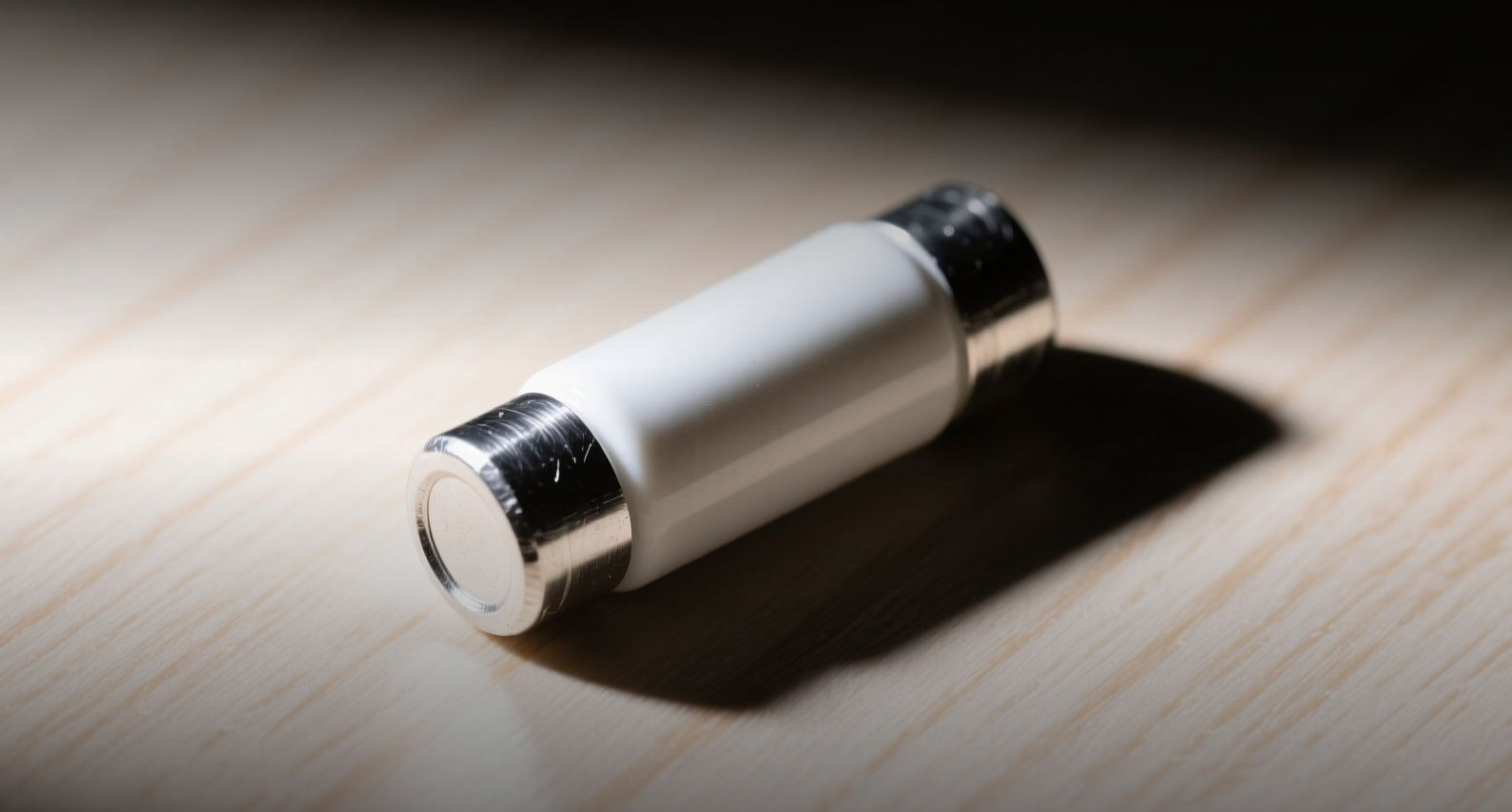
AI server demand for high-capacitance multilayer ceramic capacitors is consuming 5 to 10 times more production capacity than standard parts, pushing prices up 15% to 35% and forcing manufacturers to warn of sustained increases through 2027.
AI server demand for high-capacitance multilayer ceramic capacitors is consuming 5 to 10 times more production capacity than standard parts, pushing prices up 15% to 35% across the industry.
"AI servers require MLCCs that operate 24 hours a day under high temperature, high voltage and high current — conditions far beyond consumer electronics," a senior executive at a top-five MLCC manufacturer said at the Munich Shanghai Electronics Show. "The yield loss on these parts means we consume five to 10 times the capacity compared with mid-capacitance components."
Yageo on July 1 raised prices across its entire capacitor lineup — including MLCC, aluminum electrolytic, tantalum, polymer aluminum, film and supercapacitor — in what the company described as its broadest price adjustment in years. Murata, Samsung Electro-Mechanics and Taiyo Yuden have already pushed through 15% to 35% increases on AI server-grade high-capacitance MLCCs, with some scarce models seeing spot prices double. Sunway Communication said the capacity consumed by 100 million high-cap MLCCs for AI servers effectively displaces billions of lower-capacitance units for consumer electronics.
The supply crunch is structural, not cyclical. TF Securities said high-end MLCC expansion elasticity is limited, with supply pressure likely to intensify in the second half of 2026. Industry executives expect price increases to persist through the end of 2027, with high and ultra-high capacitance MLCC price rises potentially extending to 2028 or 2029. That is bullish for manufacturers Yageo, Murata and Samsung Electro-Mechanics, which gain pricing power and margin expansion, but bearish for downstream electronics brands including Apple, Dell and HP, which face rising component costs on top of already elevated memory and raw material prices.
The divergence between AI server and consumer-grade MLCCs reflects fundamentally different reliability requirements. Consumer MLCCs are designed for a five-year lifespan in mild indoor environments, while automotive-grade parts must meet a 10-year zero-failure standard. AI server MLCCs face the most demanding conditions: continuous 24-hour operation under high thermal and electrical stress, according to Sunway Communication.
Supply Chain Ripple Effects Spread Beyond MLCCs
The MLCC price surge is part of a broader component cost escalation. DRAM prices have risen 700% between 2022 and 2026, according to a class-action antitrust lawsuit filed June 25 against Samsung, SK Hynix and Micron, which collectively control more than 90% of the global DRAM market. Prices for power management ICs, gold and copper remain elevated, keeping manufacturing costs under pressure across the electronics supply chain.
Apple has already raised prices across its entire MacBook lineup, and TrendForce forecasts global notebook shipments will decline 13.6% in 2026 as consumers push back against higher prices. The research firm noted that several notebook brands have already experienced softer demand, particularly in entry-level and mainstream segments where price sensitivity is highest.
Investor Impact: Winners and Losers
For MLCC manufacturers, the pricing environment represents a structural tailwind. Yageo, Murata and Samsung Electro-Mechanics are positioned to benefit from multiyear pricing power as AI server demand continues to absorb high-end capacity. The challenge for downstream original design manufacturers and consumer electronics brands is that component costs are rising across multiple categories simultaneously — memory, passives and raw materials — compressing margins at a time when consumer demand is weakening.
This article is for informational purposes only and does not constitute investment advice.
