

CoreWeave is betting its AI-native cloud can outrun a heavy debt load as revenue scales and depreciation costs shrink as a share of sales.
CoreWeave is betting its AI-native cloud can outrun a heavy debt load as revenue scales and depreciation costs shrink as a share of sales.
CoreWeave is betting its AI-native cloud can outrun a heavy debt load as revenue scales and depreciation costs shrink as a share of sales.
CoreWeave Chief Executive Officer Michael Intrator said the company is deploying AI infrastructure at massive scale, predicting that rising cloud revenue will steadily reduce the accounting drag from depreciation on its expanding data center fleet.
"We are deploying AI infrastructure at massive scale, and we are on the right path building an AI-native cloud," Intrator said. "As AI cloud revenue grows, the depreciation accounting impact will decrease."
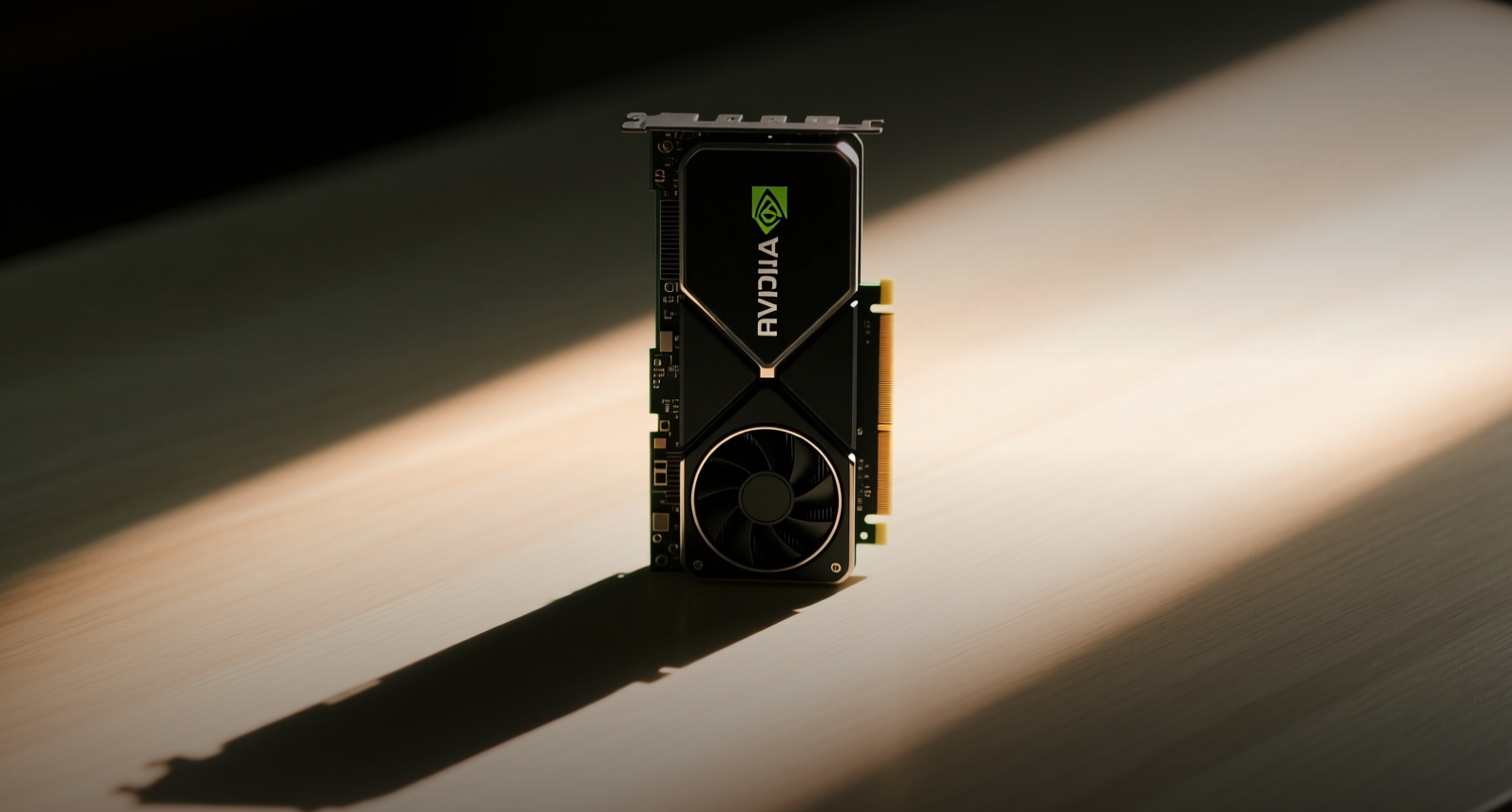
CoreWeave, which listed on the Nasdaq in March under the ticker CRWV, has emerged as one of the most aggressive builders of Nvidia-powered data center capacity. The company has raised billions in debt financing to fund its expansion, according to company filings. Its backlog of contracted but not yet recognized revenue points to sustained demand from AI startups and enterprise clients. CoreWeave counts NetBox Labs, ARM, and J.P. Morgan among its customers, according to NetBox Labs.
The CEO's confidence comes as CoreWeave carries one of the highest debt loads relative to revenue among publicly traded cloud infrastructure companies. Bank of America recently revised its price targets on the stock and rival Nebius, reflecting both the opportunity in AI infrastructure spending and the risk that customer concentration could amplify any demand slowdown. CoreWeave's ability to convert its backlog into recognized revenue at a faster pace will determine whether depreciation costs shrink as a percentage of sales, a key metric for investors watching the path to profitability.
The company's strategy mirrors a broader industry shift as hyperscalers and specialized cloud providers race to secure Nvidia's latest graphics processing units. CoreWeave differentiates itself by offering bare-metal GPU clusters optimized for AI training and inference, competing with Amazon Web Services, Microsoft Azure, and Google Cloud, as well as smaller rivals such as Nebius. The approach has attracted venture-backed AI labs that need rapid access to computing power without committing to long-term contracts with the largest cloud providers.
Depreciation has been a growing line item on CoreWeave's income statement as the company rapidly expands its data center footprint. Each new facility requires significant upfront capital expenditure for land, construction, power systems, and servers — costs that are amortized over several years. The CEO's comments suggest that as revenue compounds, those non-cash charges will represent a smaller share of the top line, improving reported earnings and free cash flow over time.
For investors, the key question is whether revenue growth can outpace the pace of new capacity additions. CoreWeave trades at a valuation that reflects high growth expectations, and any sign that customer demand is softening — or that competition is eroding pricing power — could pressure the stock. Analysts at Bank of America have highlighted the company's backlog as a buffer against near-term headwinds, while also flagging the concentration risk from a small number of large customers.
This article is for informational purposes only and does not constitute investment advice.
