


Alibaba’s entry into the automotive AI chip market with its Zhenwu PPU signals a direct challenge to established players by leveraging its full-stack cloud and AI ecosystem.
Alibaba’s entry into the automotive AI chip market with its Zhenwu PPU signals a direct challenge to established players by leveraging its full-stack cloud and AI ecosystem.
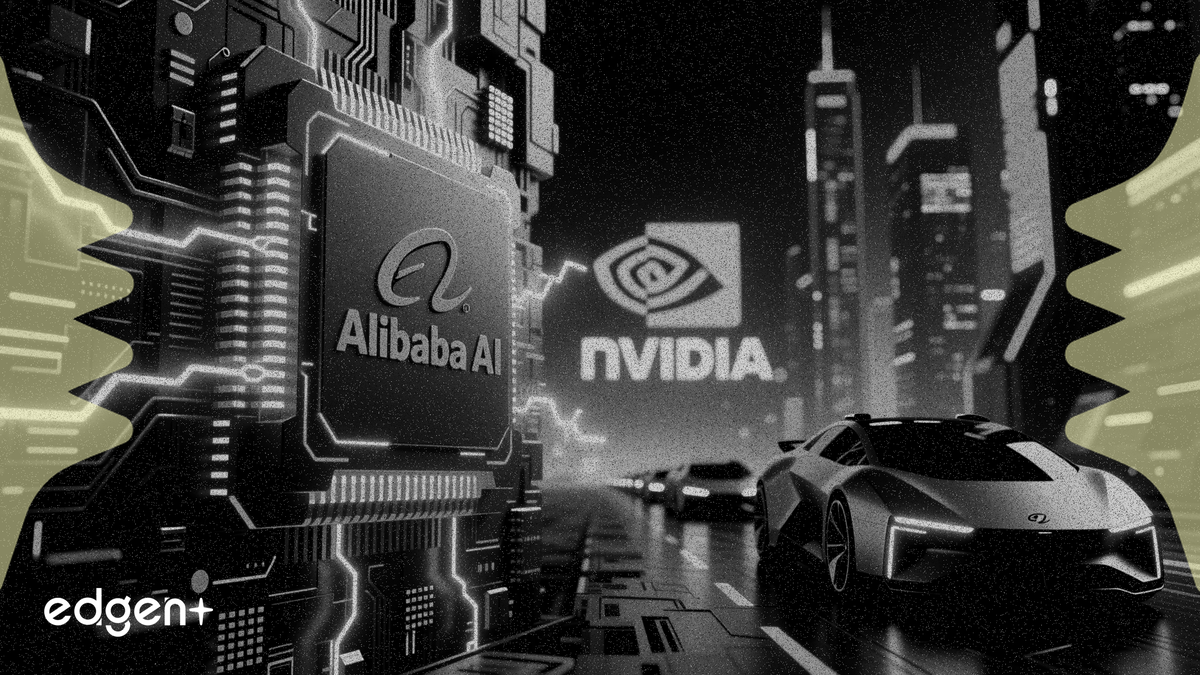
Alibaba Group Holding Ltd. is moving to challenge Nvidia Corp.’s dominance in the automotive sector, deploying over 100,000 of its self-designed artificial intelligence chips to target the industry’s burgeoning demand for high-performance, cost-effective computing.
In a company announcement, Alibaba’s T-Head semiconductor unit confirmed its Zhenwu PPU processors are now widely used on the Alibaba Cloud platform. The deployment serves more than 30 Chinese and international automakers and autonomous driving companies, which are using the hardware for research and development, creating a vertically integrated alternative to the current market leader.
The deployment includes over 100,000 Zhenwu PPU units, which are fully integrated with Alibaba’s cloud infrastructure and its Qwen large language model. The company said this unified technology stack significantly improves the efficiency of both training and inference workloads, a critical factor for developers building next-generation advanced driver-assistance systems (ADAS) and autonomous capabilities.
This move positions Alibaba to capture a piece of the automotive LiDAR and sensor market, which is projected to grow from US$960.9 million in 2026 to over US$6.4 billion by 2033, according to a report from Persistence Market Research. By offering its own silicon, Alibaba aims to lower the cost and complexity for automakers, which currently rely heavily on expensive, high-demand GPUs from suppliers like Nvidia.
The global automotive industry's push toward autonomous driving is fueling exponential demand for computing power. The market for automotive LiDAR, a key sensor technology, is expanding at a compound annual growth rate of 31.3 percent, driven by the adoption of Level 2 and Level 3 autonomous systems. This rapid integration of ADAS features requires massive datasets for training AI models, creating a significant bottleneck and cost center for car manufacturers.
Chinese automakers, including clients of LiDAR developers like Hesai and RoboSense, are particularly aggressive in deploying these advanced features. Alibaba's strategy appears timed to meet this demand with a domestic, full-stack solution. By bundling its custom silicon with its existing cloud services, Alibaba can offer a more streamlined and potentially more affordable path for developing in-vehicle intelligence compared to purchasing standalone hardware from American chip designers.
Alibaba’s strategy is not just about selling chips; it's a direct assault on Nvidia’s CUDA-powered ecosystem, which has become the industry standard for AI development. By creating a tightly integrated stack of hardware (Zhenwu PPU), cloud platform (Alibaba Cloud), and AI software (Qwen model), the company is replicating the walled-garden approach that has made Nvidia so successful. This provides a powerful, one-stop-shop for automotive clients, reducing their reliance on a complex web of vendors.
While the Zhenwu PPU's specific process node and performance benchmarks against Nvidia's H100 or AMD's MI300 accelerators were not disclosed, the scale of the deployment indicates confidence in its capabilities. The move also aligns with a broader trend of Chinese technology giants like Huawei Technologies developing their own semiconductor capabilities to ensure supply chain security and compete in high-growth sectors.
For investors, this development turns Alibaba’s chip division, T-Head, from a research unit into a strategic asset with a clear path to monetization. The deployment validates its technology in a highly competitive field and opens a significant new revenue stream for its cloud business. While Alibaba (BABA) shares have faced pressure from a slowing domestic economy, this successful foray into the high-margin automotive AI market could force a re-evaluation of its long-term growth prospects and its ability to compete with global technology leaders.
This article is for informational purposes only and does not constitute investment advice.
