Alibaba Group Holding's cloud division has launched a new suite of artificial intelligence products for international markets, a direct bid to capture the booming demand for AI agents and challenge the dominance of U.S. cloud providers. The launch from Singapore includes two major new products, Qwen Cloud and MuleRun, aimed at developers building and deploying resource-hungry AI agent applications.
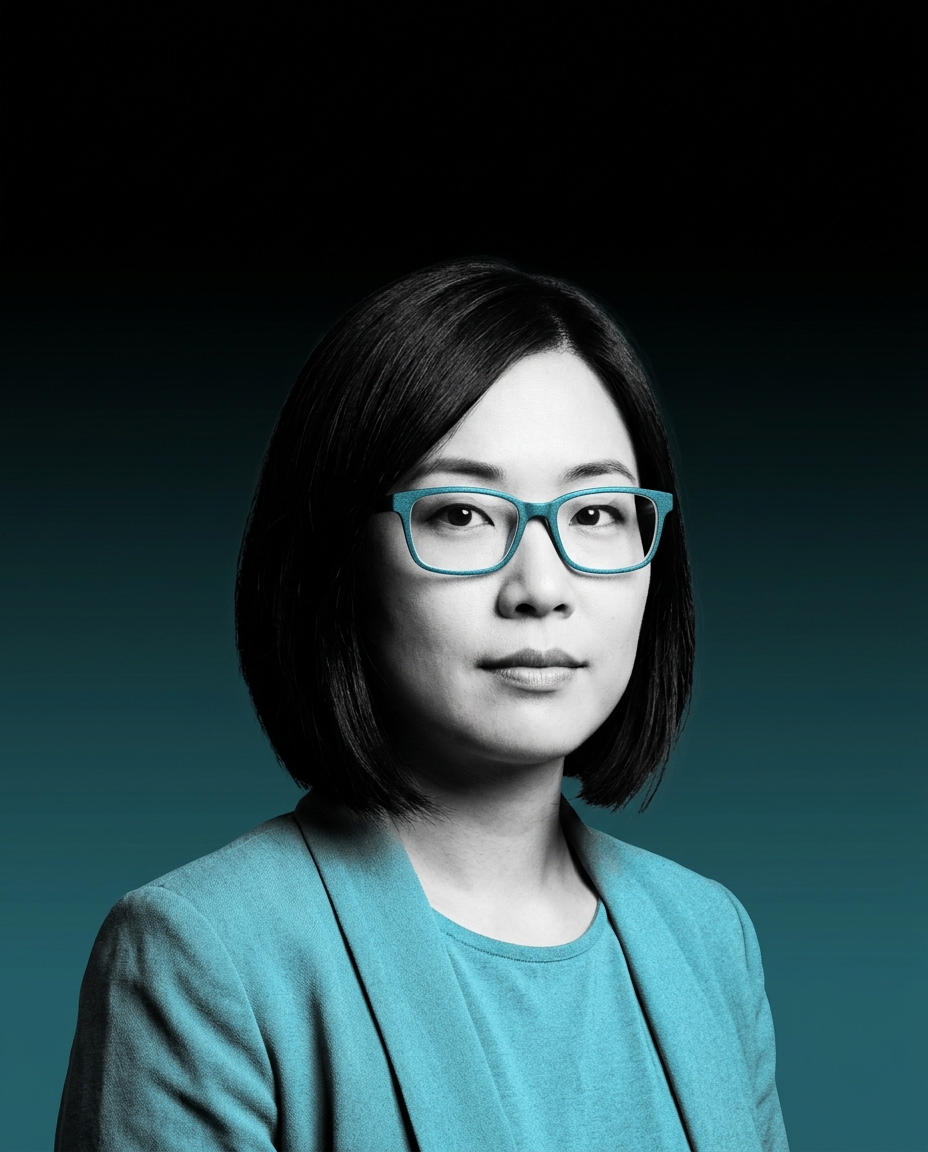
"Overseas markets have a continuously strong demand for AI," Li Feifei, Chief Technology Officer of Alibaba Cloud, said. He noted that the explosion in AI agent popularity is causing an "exponentially" large increase in model-related requests and the cloud computing resources needed to service them.
The new offerings feature MuleRun, a platform for creating AI agents, and Qwen Cloud, a developer-facing website for accessing Alibaba's proprietary models. The company also announced updates to its intelligent agent programming platform, Qoder, and a general desktop agent, QoderWork. These product launches are coupled with a significant upgrade to Alibaba's cloud infrastructure specifically designed to handle agent-based workloads.
This strategic push is about more than just new products; it's Alibaba's move to capitalize on the AI industry's major shift from training models to using them for real-world tasks, a phase known as "inference." The enormous potential of this market was recently highlighted by AI chipmaker Cerebras Systems' $5.6 billion IPO. Goldman Sachs estimates that annual AI capital spending will reach $765 billion in 2026 and a cumulative $7.6 trillion by 2031, a massive prize for the cloud platforms that can become the foundation for this new wave of computing.
The Race for Inference
The first phase of the AI boom was dominated by the training of large models, a market where Nvidia's GPUs have been the undisputed leader. Now, the industry is rapidly moving into the inference phase, where those trained models are put to work performing tasks like analyzing contracts, booking meetings, or running complex business workflows. Alibaba's focus on agent-building platforms like MuleRun is a clear attempt to win this next leg of the race.
This transition requires a new type of infrastructure that is faster, cheaper, and more efficient for running live applications. Alibaba's infrastructure upgrades aim to provide just that, positioning its cloud as an attractive alternative for developers building the next generation of AI agents.
Cloud Giants Battle for Agent Supremacy
Alibaba is not entering an empty field. The launch puts it in direct competition with other global cloud giants who are making similar moves. Google Cloud recently detailed its expanding collaboration with AI innovator X Star to deploy "Agentic AI" frameworks for clients in finance and automotive. That partnership aims to leverage Google's infrastructure and Gemini models to support complex, multi-step business processes.
Both Alibaba's and Google's strategies show that the battle for AI supremacy is increasingly being fought at the infrastructure and platform level. The cloud provider that can offer the most efficient, scalable, and developer-friendly environment for building and deploying AI agents will be positioned to capture a significant share of the trillions in projected AI spending over the next decade. For Alibaba, the success of Qwen Cloud and MuleRun in international markets will be a critical test of its ability to compete on this new global stage.
This article is for informational purposes only and does not constitute investment advice.