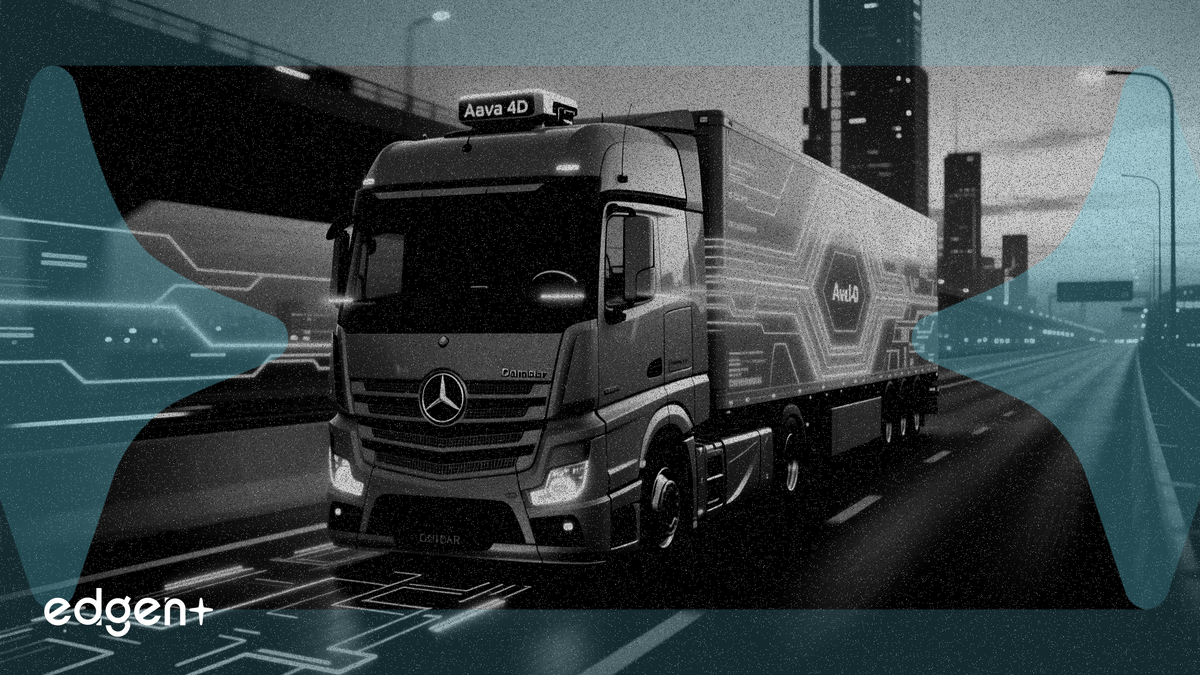
Aeva'nın Daimler Truck'a ilk üretim amaçlı LiDAR sensörlerini teslim etmesi, benzersiz 4D teknolojisi için kritik bir doğrulama anlamına geliyor; ancak ortaklar, Tesla'nın halihazırda 400'den fazla Semi siparişi aldığı hızla hızlanan bir pazarla karşı karşıya.
Aeva Technologies Inc. (Nasdaq: AEVA), SAE Seviye 4 otonom Freightliner yarı kamyonlarının seri üretimine yönelik çok önemli bir adım olan Atlas 4D LiDAR'ın ilk C-numune ünitelerini Daimler Truck'a teslim etti. Teslimat, Daimler'e otoyol otonomisi için gereken uzun menzilli algılama sistemini sağlasa da rakibi Tesla Inc.'in pilot programları halihazırda büyük ölçekli ticari siparişlere dönüştürdüğü bir pazara giriyor.
Aeva'nın Kurucu Ortağı ve CEO'su Soroush Salehian, "Atlas C-numune sensörlerinin Daimler Truck'a teslim edilmesi, otonom kamyon taşımacılığını seri üretime yaklaştırma yolunda büyük bir adımı temsil ediyor. Hem mesafeyi hem de anlık hızı ölçme konusundaki benzersiz yeteneğimiz, otonom sistemlerin tehlikeleri daha erken ve daha büyük bir güvenle algılamasını ve bunlara yanıt vermesini sağlıyor" dedi.
Frekans Modülasyonlu Sürekli Dalga (FMCW) teknolojisiyle desteklenen Atlas sensörü, otoyol hızlarında seyreden araçlar için temel bir gereklilik olan 500 metreye kadar uzaklıktaki nesneleri algılamak üzere tasarlanmıştır. Önceki geliştirme aşamalarını takip eden C-numune teslimatı, Daimler Truck North America ve bağımsız yan kuruluşu Torc Robotics ile ticari ölçeğe doğru ilerlerken Aeva teknolojisinin olgunluğunu teyit ediyor.
Aeva için, Freightliner Cascadia platformunda özel uzun menzilli LiDAR yuvasını güvence altına almak, önemli ve uzun vadeli gelire giden bir yol sağlar ve otonom nakliye ekosistemindeki rolünü pekiştirir. Ancak program, rakiplerinden gelen yoğun baskıyla karşı karşıya. Tesla kısa süre önce tek bir operatör olan WattEV'den 370 adet Semi kamyon ve iki liman taşıma şirketinden 60 adet daha sipariş alarak pazarın hızla ölçekli dağıtımlara doğru ilerlediğini gösterdi.
İki Stratejinin Hikayesi
Ortaklık, otonom kamyon taşımacılığı sektöründeki stratejik bir farklılığın altını çiziyor. Daimler, kendi otonom sistemini kurmak için Aeva gibi ortaklardan gelen özel teknolojileri entegre eden iş birlikçi bir model izliyor. Her nokta için hızı doğrudan ölçen Aeva'nın FMCW LiDAR'ı, çeşitli koşullarda üstün algılama sağlamayı amaçlayan bu stratejinin temel taşıdır.
Buna karşılık Tesla, kendi otonom sürüş yazılımını ve donanım yığınını geliştirerek dikey olarak entegre bir yaklaşım izliyor. Bu durum, ticari cephede hızla ilerlemesine olanak tanıdı. Halihazırda dokuz adet Daimler elektrikli eCascadia kamyonu çalıştıran bir filo operatörü olan Big F Transport'un, aracı test ettikten sonra 40 adet Tesla Semi sipariş etmeyi taahhüt etmesiyle rekabet dinamiği vurgulandı. Bu durum, geleneksel üreticilerin mevcut müşterilerinin bile Tesla'nın teklifine ikna olduğunu gösteriyor.
Liman Taşımacılığı Kilit Savaş Alanı Olarak Ortaya Çıkıyor
Daimler ve Aeva uzun yol otoyol otonomisini etkinleştirmeye odaklanırken, elektrikli ve otonom kamyonlar için ilk ticari savaş alanının liman taşımacılığı (drayage) olduğu kanıtlanıyor. Limanlar ve iç depolama alanları arasındaki bu kısa, tekrarlayan rotalar, mevcut batarya menzilleri ve depo tabanlı şarj için idealdir.
WattEV'in Oakland Limanı ile ortak bir program kapsamında 300'den fazla Tesla Semi konuşlandırma planı bu eğilimi vurguluyor. Benzer şekilde Forum Mobility, Long Beach ve Los Angeles Limanlarındaki operatörler için 60 Tesla Semi'nin konuşlandırılmasını kolaylaştırıyor. Erken dağıtımların liman taşımacılığında yoğunlaşması, Tesla'ya sistemlerini geliştirmek için kritik bir dayanak noktası ve gerçek dünya verisi akışı sağlıyor.
Aeva ve Daimler'in kaydettiği ilerleme önemli bir teknik başarıdır ancak yatırımcılar için temel soru seri üretime geçiş takvimidir. Kaliforniya'nın Temiz Kamyon ve Otobüs Kupon programından elde edilen veriler zorluğu gösteriyor: Ocak 2025 ile Şubat 2026 arasında Tesla Semi 965 başvuru alırken, Daimler, PACCAR ve Volvo toplamda 100'den az başvuru aldı. Aeva'nın teknolojisi artık üretim için doğrulanmış olsa da ticari başarısı doğrudan Daimler'in bu boşluğu kapatma ve rakiplerinin hızı ve ölçeğiyle rekabet etme yeteneğine bağlıdır.
Bu makale yalnızca bilgilendirme amaçlıdır ve yatırım tavsiyesi teşkil etmez.