


Moonshot AI is running its trillion-parameter Kimi models on a 20,000-chip Nvidia cluster supplied through Alibaba, exposing the limits of US export controls.
Moonshot AI is running its trillion-parameter Kimi models on a 20,000-chip Nvidia cluster supplied through Alibaba, exposing the limits of US export controls.
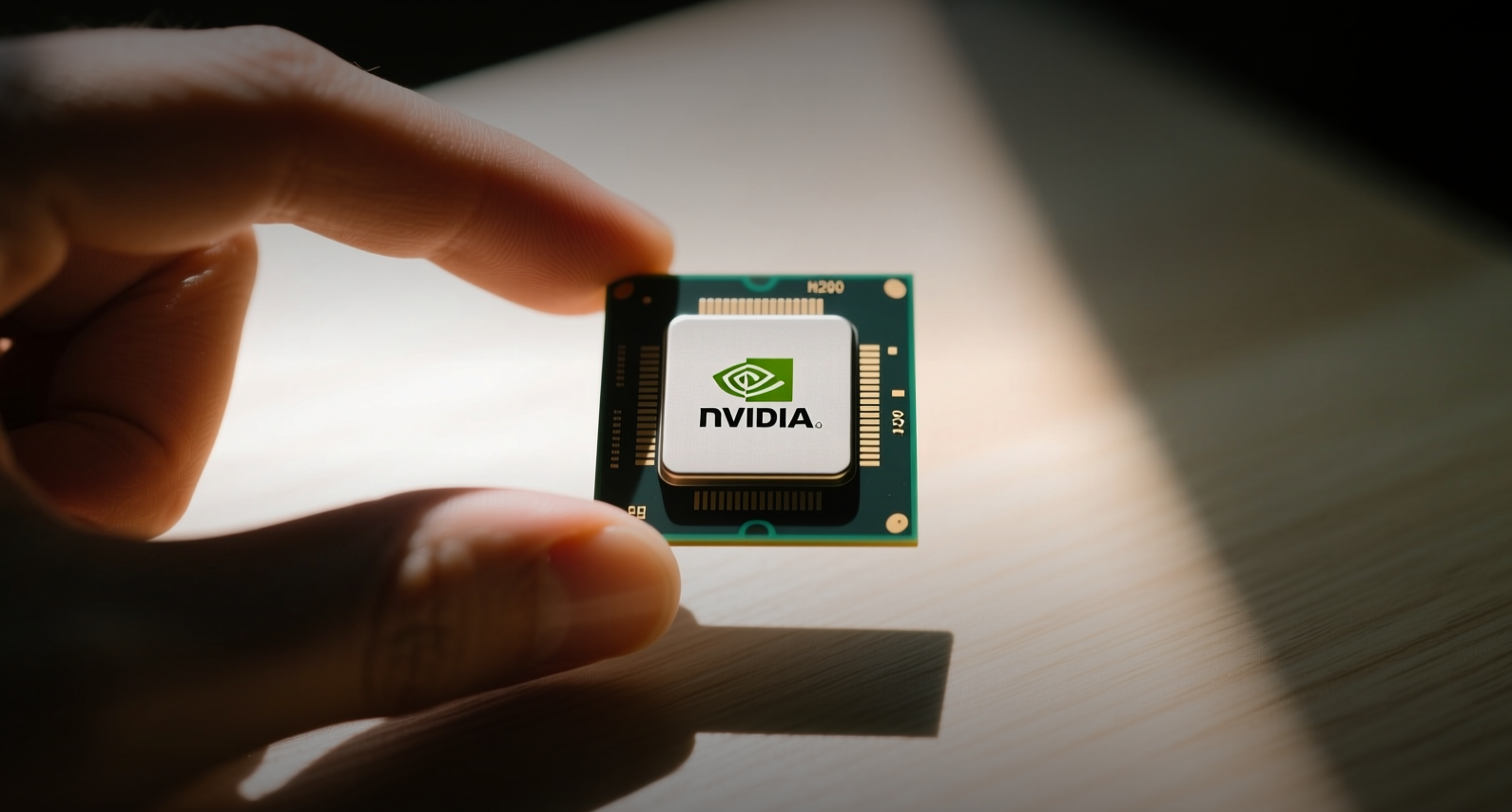
Moonshot AI has secured a 20,000-chip Nvidia cluster through Alibaba to train and run its Kimi K3 model, giving a Chinese startup computing power that rivals Western frontier labs despite US export controls.
The arrangement shows how Chinese firms are working around Washington's chip restrictions by leaning on domestic cloud giants, a person familiar with the companies' operations told Bloomberg.
The cluster uses Nvidia's Hopper-generation H200 processors, the most capable units in that product family, according to people close to Moonshot. Kimi K3, which launched around July 17 with up to 2.8 trillion parameters, sits in the same weight class as frontier models from OpenAI and Anthropic. Alibaba, which holds roughly 36 percent of Moonshot, expects the startups it backs to use its cloud infrastructure.
The deal raises fresh questions about the effectiveness of US export controls and the economics of the Western AI infrastructure buildout, as investors debate whether Chinese labs are closing the gap with Silicon Valley.
The Alibaba connection runs deeper than a standard cloud contract. Alibaba is Moonshot's largest strategic backer, and its ownership stake gives it significant exposure to the startup's trajectory. Moonshot's valuation has climbed to as much as $35 billion on the back of its recent model launches, and discussions around a potential Hong Kong IPO are reportedly underway.
But the alliance has created internal friction. Using Alibaba's own cloud framework, Moonshot's Kimi models have outperformed Alibaba's in-house Qwen products on several performance benchmarks, a source of disappointment for some staff given that both teams had access to similar training resources.
The US has for years restricted China's access to Nvidia's most advanced chips, requiring permits to ship high-end processors. Yet Chinese cloud providers have built up stockpiles of sanctioned chips and offer them as a service to AI startups, creating a workaround that keeps model development on track. The physical location of the compute Alibaba provides to Moonshot is unclear.
The reported deal also points to a gray market for Nvidia's newest hardware. A person familiar with Moonshot's procurement strategy confirmed the startup has a channel to access Blackwell processors through Southeast Asia, though it's unclear whether that involves legal cloud renting or unauthorized direct purchases. White House science adviser Michael Kratsios last week accused Moonshot of illegally acquiring Blackwell chips and of using a technique called distillation to train K3 using outputs from Anthropic's Fable model.
For Alibaba, the arrangement locks a high-growth AI customer into its cloud services at a time when Alibaba Cloud is fighting to regain market share against Huawei and Tencent. BABA stock gained about 6 percent on Friday, ending the week near a two-month high.
For Nvidia, the deal shows the voracious appetite for its top-tier products in China even as the company develops China-specific chips that fall below US performance thresholds. The gap in available computing power between US and Chinese firms is widely seen as one of the most significant structural disadvantages facing China's AI industry, making deals like Moonshot's all the more consequential.
This article is for informational purposes only and does not constitute investment advice.
