Chevron is moving beyond traditional oil and gas to supply natural gas directly to AI data centers, starting with a landmark 2.7-gigawatt deal with Microsoft.
Chevron is moving beyond traditional oil and gas to supply natural gas directly to AI data centers, starting with a 2.7-gigawatt, 20-year deal with Microsoft that bypasses local electric utilities.
"If we can get to a returns equation that works for our company and our shareholders, you can expect to hear more from us going forward," Jeff Gustavson, president of new energies at Chevron, said. "This does represent a platform for growth for us."
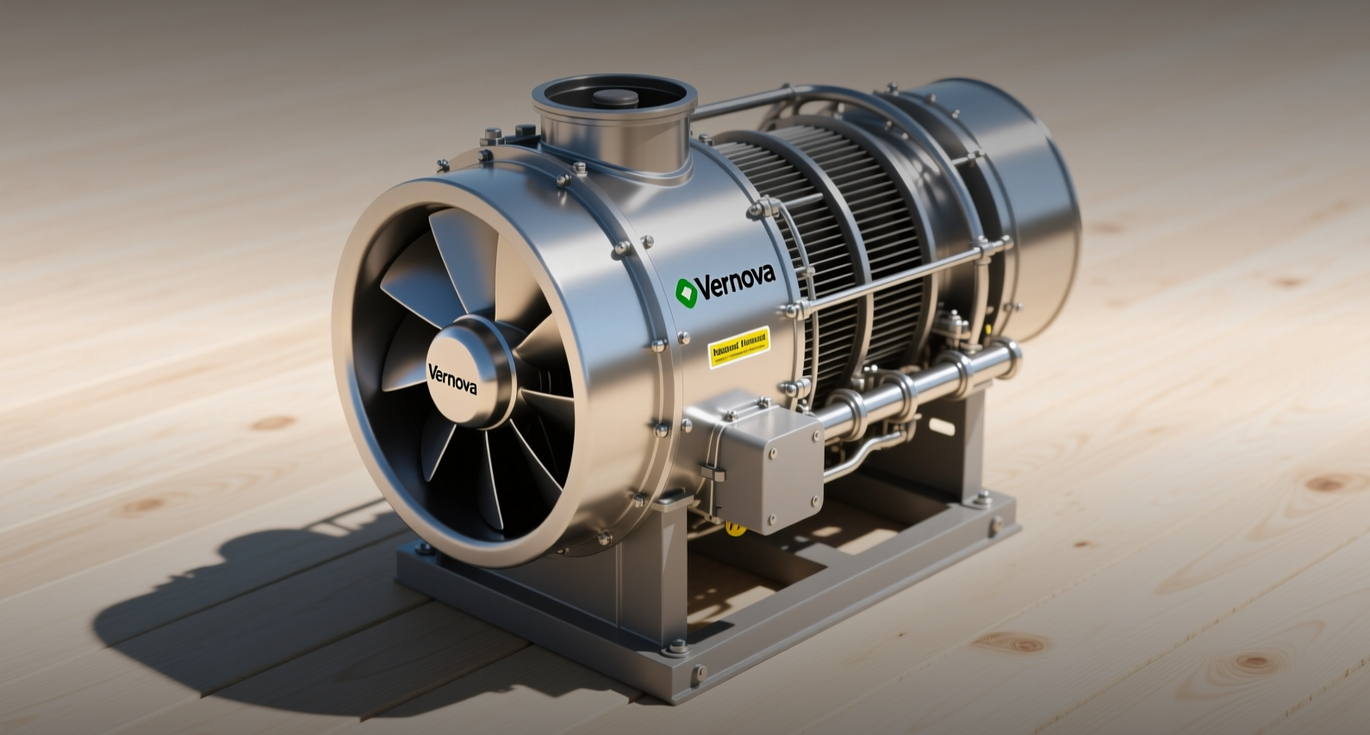
The arrangement uses GE Vernova natural gas turbines installed at Microsoft's West Texas data center, with Chevron supplying the gas directly. The deal is part of a broader wave: roughly 100 gigawatts of behind-the-meter gas power has been planned or permitted for U.S. data centers, but only 2 gigawatts is currently operational, according to Bloomberg. PwC estimates AI-driven demand for natural gas could more than quintuple over the next 10 years.
The agreement positions Chevron to capture a slice of the surging electricity demand from artificial intelligence, which is straining U.S. power grids and forcing tech companies to secure their own supply. BlackRock CEO Larry Fink warned that the U.S. is failing to invest fast enough in its power grids, noting that China is building 100 gigawatts of nuclear and a similar amount of solar capacity to support its AI buildout.
Behind-the-Meter Boom Reshapes Power Markets
Chevron's high-opportunity areas include the Midwest, the Gulf Coast, the Rocky Mountains, and Utah — all regions where the company already has established pipeline infrastructure, Gustavson said. The strategy allows Chevron to bypass regulated utilities and negotiate directly with hyperscale data center operators facing long interconnection queues and uncertain power availability.
The scale of the opportunity is enormous. A single 1-gigawatt data center facility now costs $50 billion to $60 billion, Fink said, making power supply reliability a critical investment consideration. States that can deliver consistent power without hiking consumer prices will become "the big winners for growth," he added.
Emissions Tensions Mount as AI Infrastructure Expands
The Chevron-Microsoft deal highlights a growing tension between AI infrastructure buildout and climate commitments. Microsoft's total emissions rose 25 percent in 2025, driven primarily by data center growth, according to its latest sustainability report. The company's electricity consumption has surged nearly 250 percent since 2020, putting its total power use on par with Denmark.
Three additional gas power plant projects totaling 4.75 gigawatts that Microsoft has planned but not yet disclosed in its sustainability reporting would more than double its emissions, according to an analysis by Stand.earth, an environmental advocacy group. Those projects are expected to emit more than 15 million metric tons of carbon dioxide annually.
Microsoft reiterated it still aims to be carbon negative by 2030, but acknowledged in its sustainability report that "sustainability solutions are not scaling fast enough to meet demand."
For Chevron, the deal represents a test case for a new revenue stream that could offset declining long-term demand for transportation fuels as electrification advances. If the returns work, Gustavson said, investors can expect more such agreements — potentially transforming how the oil and gas giant monetizes its vast U.S. pipeline network in an AI-powered era.
This article is for informational purposes only and does not constitute investment advice.