


California's $270 million EV rebate program gives Lucid and Rivian a pricing edge while excluding Tesla from a key exemption.
California's $270 million EV rebate program gives Lucid and Rivian a pricing edge while excluding Tesla from a key exemption.
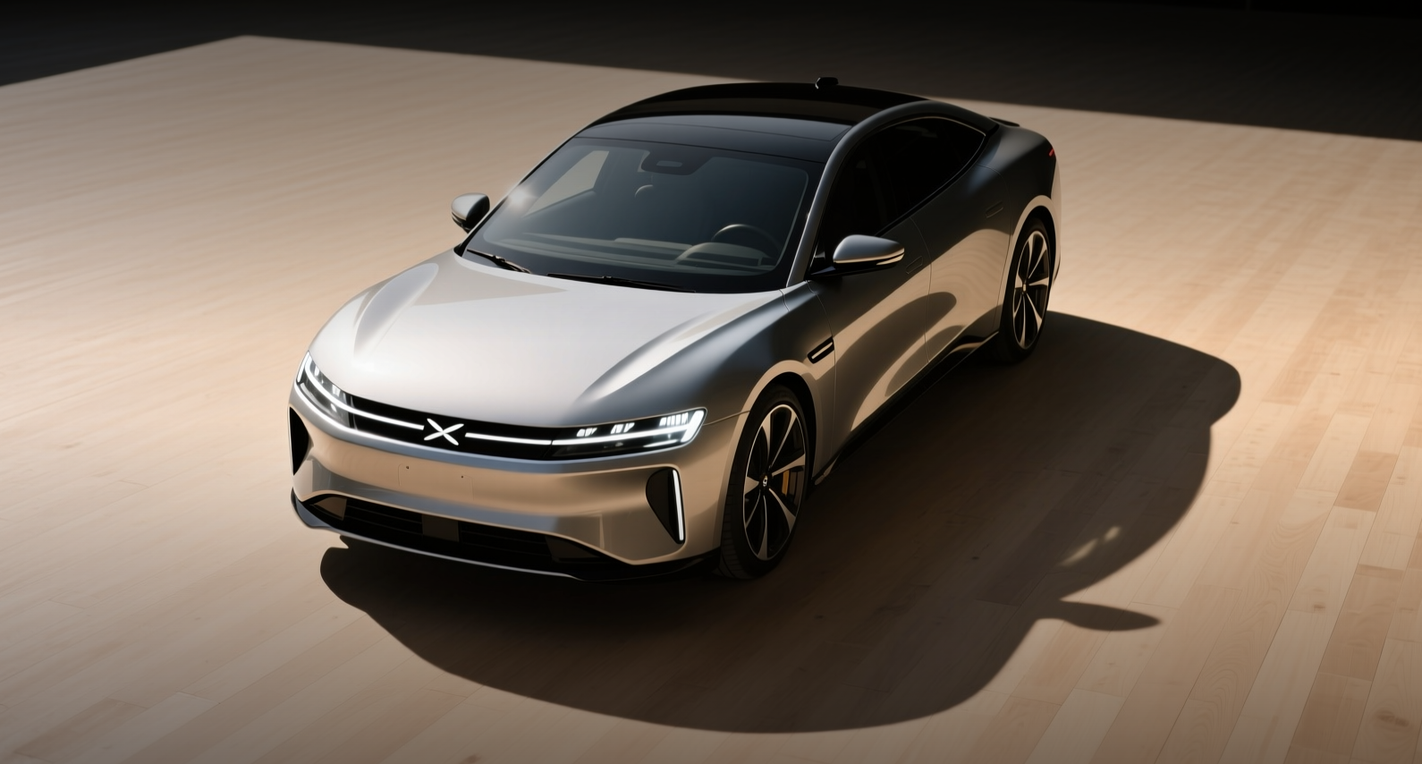
California's $270 million EV rebate program gives Lucid and Rivian a pricing edge while excluding Tesla from a key exemption.
California on Monday signed a $270 million rebate program offering first-time buyers $3,500 off new EVs priced at $50,000 or less, filling the gap left by the eliminated federal tax credit.
"Donald Trump is doing everything in his power to pollute our air and surrender the clean car industry to China on a silver platter," Governor Gavin Newsom said in a statement. "As California leads the world toward a clean future, our message is clear: no one can stop Californians from choosing vehicles that are better for their wallets and better for the air they breathe."
The program, funded from a $600 million allocation in California's latest budget, provides $1,750 for used EVs priced up to $25,000. Automakers headquartered in California — including Lucid Group Inc. and Rivian Automotive Inc. — are exempt from the $50,000 price cap, a provision that gives their higher-priced models access to the full rebate. Tesla Inc., which relocated its headquarters to Texas, does not qualify for the exemption.
The rebate arrives as US EV sales recover from a 2025 slump triggered by the end of federal tax credits. Rising gasoline prices amid escalating US-Iran tensions have pushed some consumers back toward electric vehicles. Tesla accounted for almost 50% of California's new vehicle sales last year, according to Reuters, but the exemption clause could shift market share toward in-state manufacturers.
Who Wins, Who Loses
The price-cap exemption creates a clear competitive divide. Lucid's upcoming Gravity SUV and Rivian's R2 crossover, both expected to start above $50,000, would still qualify for the full $3,500 rebate when purchased by first-time EV buyers. Tesla's Model Y, which starts at about $44,990 and would otherwise be a natural fit for the program, faces a relative disadvantage because the company's Texas headquarters disqualifies it from the exemption.
The California Air Resources Board, which will administer the program, has not yet disclosed which automakers have signed participation agreements. The board is expected to release that information in the coming weeks.
Market Context and Investor Impact
The program's $270 million allocation represents about 77,000 rebates at the maximum $3,500 level, though the mix of new and used vehicle purchases will determine the actual count. Several other states, including Colorado, New York, and Vermont, operate their own EV rebate programs, but California's is the largest by total funding.
For investors, the key question is whether the exemption tilts California's EV market — the largest in the US — toward Lucid and Rivian at Tesla's expense. Lucid shares have gained 12% this year on optimism around the Gravity launch, while Rivian has risen 8% as it scales R2 production. Tesla trades at 65 times forward earnings, a premium that reflects its dominant market position but also leaves it exposed to any shift in California's competitive dynamics.
This article is for informational purposes only and does not constitute investment advice.
