
Markets price a 60 percent chance the Fed hikes Sept. 16 as chair Kevin Warsh weighs defending independence against Trump's push for cuts.
Markets price a 60 percent chance the Fed hikes Sept. 16 as chair Kevin Warsh weighs defending independence against Trump's push for cuts.
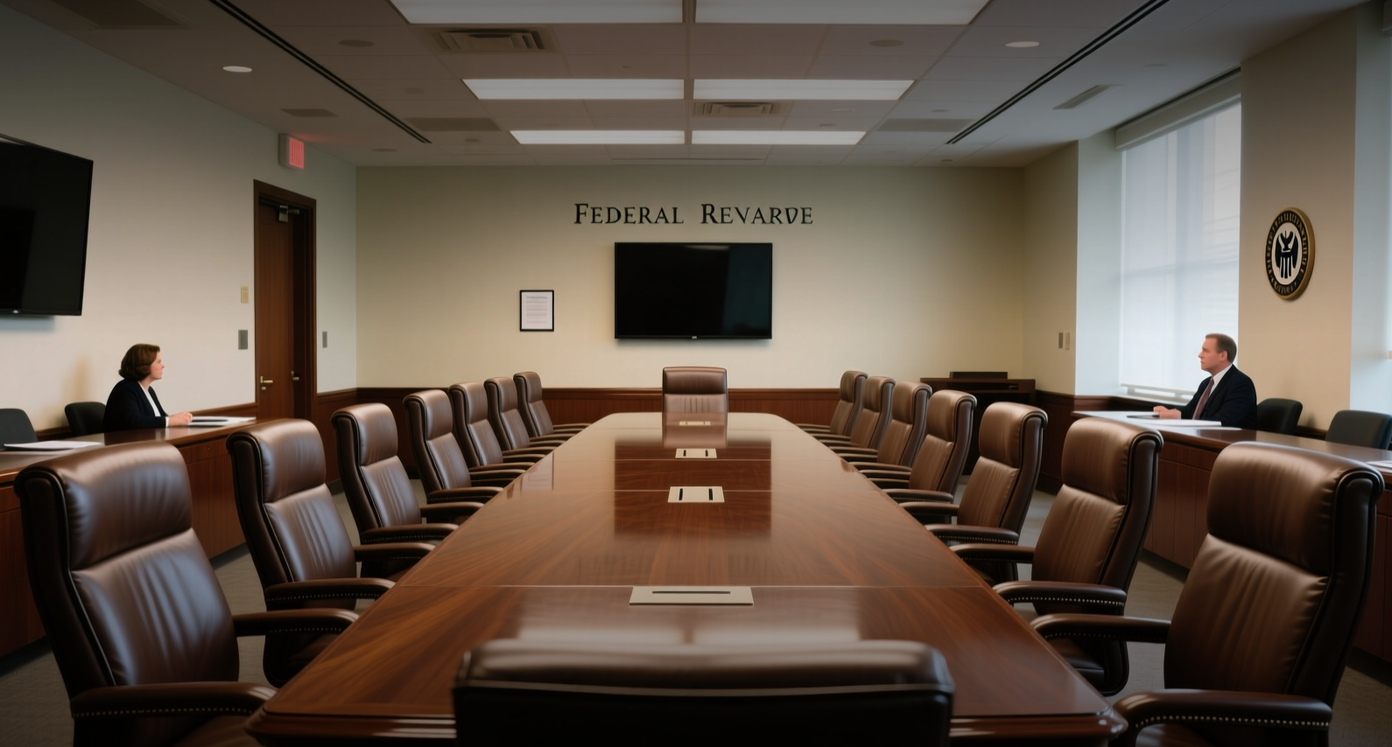
Federal Reserve chair Kevin Warsh faces a three-way choice at the Sept. 16 meeting — hike, hold or cut — as markets price a 60 percent probability of a quarter-point increase and President Donald Trump presses for cuts.
"The question is no longer simply hike or cut — it is whether the Fed can hold its line against political pressure while inflation runs hot," said Claudia Sahm, a Bloomberg Opinion columnist and former Federal Reserve economist.
Personal consumption expenditures inflation stands at 3.7 percent, well above the Fed's 2 percent target, with the cooling trend stalled since late 2024 and more than half of PCE components rising at an annualized pace above 3 percent. The fed funds rate has sat at 3.5 percent to 3.75 percent since the easing cycle that began in late 2024, a stretch over which the 10-year Treasury yield has climbed roughly 115 basis points.
The decision carries outsized weight for Fed credibility and global rates. A hike would mark the first tightening since the easing cycle began and signal Warsh is willing to defy the White House; a hold risks being read as capitulation before the Nov. 3 midterm elections; a cut would reward Trump's pressure campaign. Each path reshapes expectations for equities, bonds and the dollar into year-end.
The hawkish camp is already forming
Three voting members — Cleveland's Beth Hammack, Minneapolis' Neel Kashkari and Dallas' Lorie Logan — dissented at the last hold in favor of tightening. Governors Lisa Cook, Michael Barr and Christopher Waller have since said they remain open to a move depending on the data. Bianco Research's Jim Bianco noted that former chair Jerome Powell, who stayed on the board to preserve institutional independence, could join the hawkish camp at a critical moment.
A vote that runs against the chair would be a rare public split in the Fed's modern history, deepening uncertainty in rate markets and adding to bond-yield volatility.
Holding still carries a cost
Standing pat looks safe but leaves the Fed exposed. With the midterms weeks away, holding at 3.5 percent to 3.75 percent would invite the interpretation that the central bank bent to political pressure — Trump's "BE PATRIOTS for a change" post on Truth Social last week being the most direct evidence. Sahm argued that appeasement has not worked, pointing to Barr, who resigned earlier in an attempt to ease tensions without winning relief.
Investors have shown limited tolerance for perceived looseness. The 10-year yield rose about 115 basis points from the easing cycle's start in late 2024 through January 2025, and after the Fed stopped hiking in 2023, bond markets sold off again on doubts that tightening had gone far enough.
A Warsh-led hike may be the least-bad option
The path markets favor — and the one analysts call the least-bad — is Warsh leading a hike. His late-August Jackson Hole speech was read as firmly hawkish: "We must be confident that underlying inflation is moving toward target at a clear and sufficiently fast pace... otherwise, we have work to do." Given current inflation, that language provides the policy basis for a move.
Acting would take political courage. Trump has tied rate policy to trade, threatening to cut off commerce with countries running trade surpluses if the Fed does not lower rates, and the White House could respond with legal pressure and fresh intervention. Yet from the standpoint of long-run institutional credibility, a hike may be the more defensible choice: losing the bond market's trust over inflation control could cost more than absorbing criticism from the White House.
August nonfarm payrolls added 162,000 jobs against a prior estimate of 56,000, a stronger labor market that reduces the case for easing and cements the hawkish outlook. August CPI matched expectations at 0.1 percent month on month and 3.4 percent year on year. The Fed's next decision after Sept. 16 falls in the weeks before the midterms, keeping political scrutiny elevated into year-end.
This article is for informational purposes only and does not constitute investment advice.
