
Key Takeaways: Three Federal Reserve presidents opened Jackson Hole with coordinated warnings that inflation remains entrenched, raising the odds of another rate hike before year-end.
Key Takeaways: Three Federal Reserve presidents opened Jackson Hole with coordinated warnings that inflation remains entrenched, raising the odds of another rate hike before year-end.
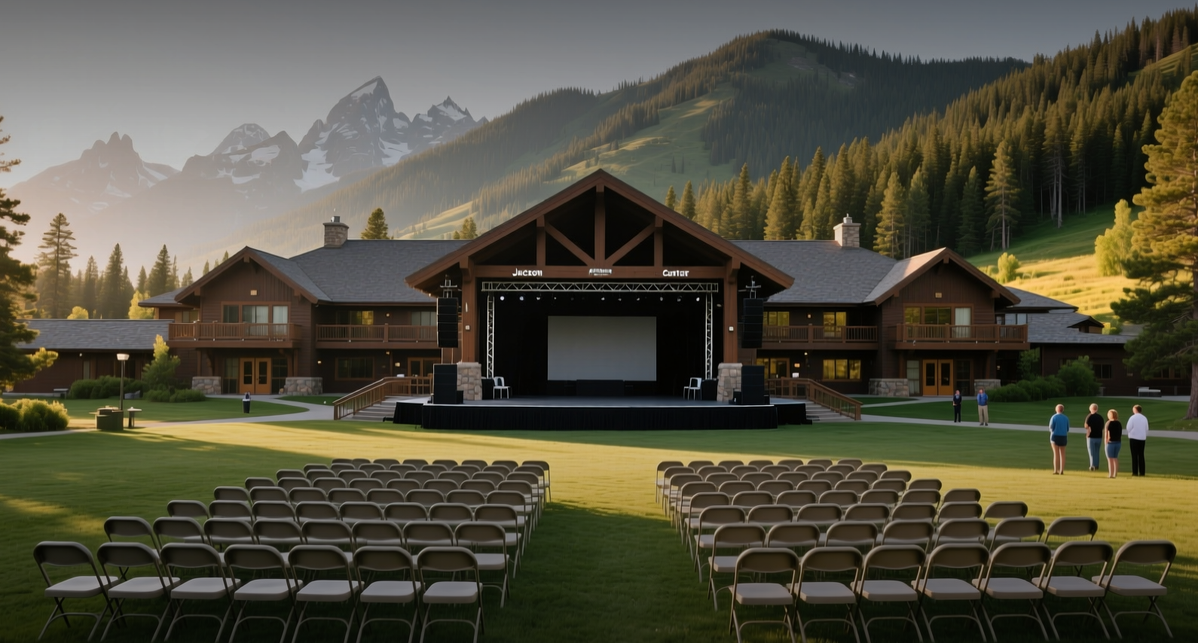
Three Federal Reserve presidents opened the Jackson Hole symposium Thursday with coordinated warnings that inflation remains stuck near 3.7 percent, pushing futures markets to price a 33.7 percent probability of a September rate hike.
"I don't want to prejudge anything, but I believe now is the time to act," Beth Hammack, president of the Federal Reserve Bank of Cleveland, said in a CNBC interview from the conference.
Hammack was one of three dissenters at last month's FOMC meeting, which voted 9-3 to hold the benchmark rate at 3.50 percent to 3.75 percent since the July 28-29 meeting. July PCE data released Thursday showed headline inflation at 3.7 percent year-over-year, unchanged from June and down from 4.1 percent in May, while core PCE held at 3.3 percent. Long-term Treasury yields above 5 percent reflect fiscal deficits, inflation expectations, and AI-driven bond issuance, Chicago Fed President Austan Goolsbee said.
All eyes now turn to Fed Chair Kevin Warsh's keynote address Friday at 10 a.m. Eastern Time. Warsh has declined to provide forward guidance, but with inflation running above target for 65 consecutive months, the pressure to clarify the rate path has rarely been greater. CME FedWatch data shows a 66.3 percent probability of a hold at the September 15-16 meeting, but only a 25.8 percent chance rates remain unchanged through December.
Kansas City Fed President Jeffrey Schmid said the current policy rate may not be exerting meaningful restraint on the economy. "I don't know what we're restricting currently with the rate policy that we're at today," he said on CNBC, adding that he needs more data before backing a hike at the September meeting. Schmid, whose bank hosts the symposium, said he leans toward the camp that supported a rate increase at last month's meeting.
Hammack said her deeper concern is that a prolonged stretch of above-target inflation could cause households and businesses to accept higher prices as the new normal. She cited conversations with workers in Erie, Pennsylvania, who said they "can't make ends meet" despite holding steady jobs. She projected inflation would end this year at around 3 percent and decline only to the mid-2 percent range next year.
Goolsbee, widely seen as one of the Fed's most dovish officials, said the biggest near-term risk is that inflation is not yet under control. He pointed to elevated energy costs tied to the Middle East conflict and the Trump administration's tariff policy shifts as factors increasing cost burdens on households. He also expressed unease about political pressure on the central bank, saying that in countries where political authorities interfere with monetary policy decisions, "inflation comes roaring back."
Susan Collins, president of the Federal Reserve Bank of Boston and often viewed as a centrist, also appeared to shift in a hawkish direction. In an interview with The Wall Street Journal, she said she could support another rate increase if sustained evidence of cooling inflation does not emerge. She described recent inflation data as "mixed" but presented gradual disinflation as her baseline scenario.
Futures markets lean against a hike at the September meeting but assign strong odds to additional tightening by the end of 2026. The probability that the benchmark rate remains unchanged at the December FOMC meeting stands at 25.8 percent, making that the minority view. Economists' reactions to the latest PCE data were divided, with some arguing the firmer-than-expected reading supports a September hike while others see it as keeping tightening in play later this year.
Goolsbee offered a note of nuance despite his hawkish tone, saying the recent three-month inflation trend "doesn't look terrible" and that rate cuts could come eventually if inflation moves back toward 2 percent. "If you're a very interest-rate-sensitive industry, I would tell you, watch the data," he said.
The stakes for Friday's speech are high. With three regional Fed presidents publicly warning about inflation on the eve of the address, the pressure on Warsh to clarify the central bank's direction has rarely been greater. Bond and equity markets face elevated volatility as investors weigh whether the Fed's next move is a hike or a prolonged hold.
This article is for informational purposes only and does not constitute investment advice.
