
SpaceX is building a Texas foundry to cast gas-turbine blades in-house, attacking the supply bottleneck that has pushed AI data center power orders to 2030.
SpaceX is building a Texas foundry to cast gas-turbine blades in-house, attacking the supply bottleneck that has pushed AI data center power orders to 2030.
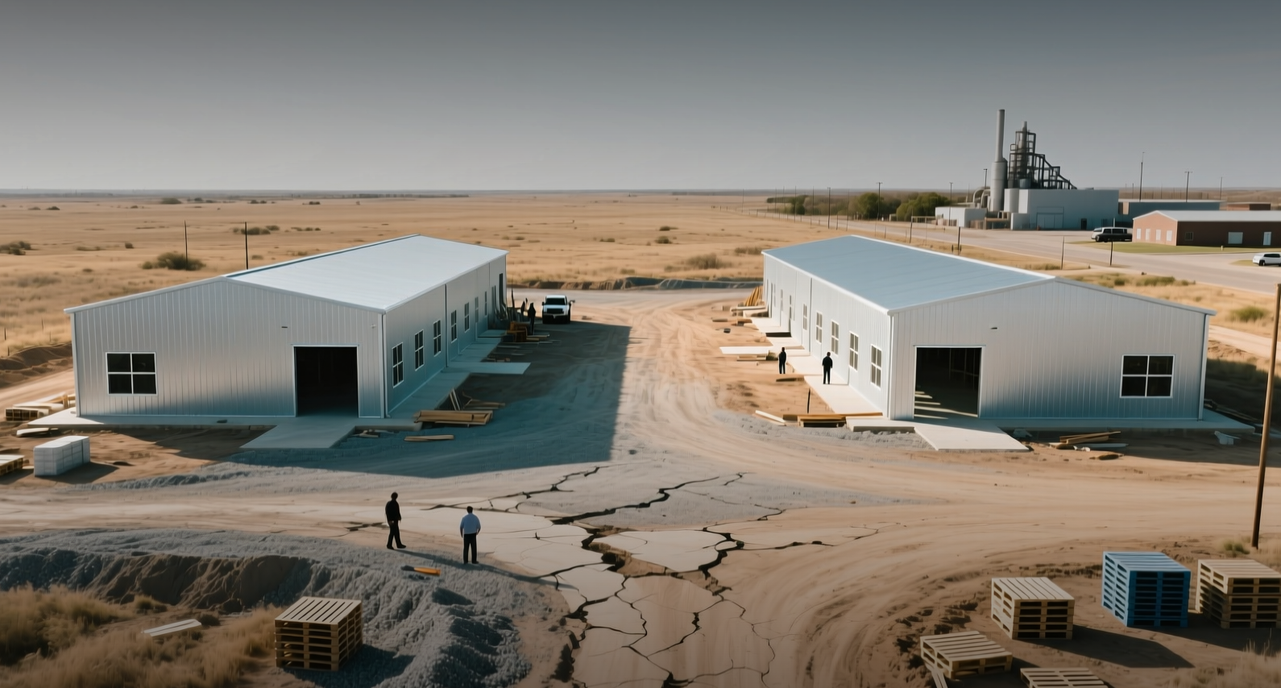
SpaceX is building a foundry in Bastrop, Texas, to cast gas-turbine blades and vanes in-house, a move that could cut turbine delivery times by 18 months and ease the power shortage throttling AI data center expansion.
"SpaceX will cast its own turbine blades and vanes, which can bring gas turbines online up to 18 months earlier," Elon Musk said on X, confirming the plan reported by The Information on Aug. 30.
The blades must withstand temperatures of 3,000 to 3,600 degrees Fahrenheit (1,650 to 1,980 degrees Celsius), roughly 800 degrees above the melting point of the alloys used — a casting challenge mastered by only four foundries worldwide. That concentration has left GE Vernova's turbine orders booked through 2030, a key constraint on AI infrastructure buildout.
Morgan Stanley's Adam Jonas estimates Musk can secure 3 to 4 gigawatts of power by the end of 2027 through purchases and the in-house foundry, which will also cast Raptor rocket engine turbine pumps, spreading fixed costs across the space and AI businesses.
A Four-Foundry Bottleneck
Turbine blades and vanes are the most technically demanding components in the gas-turbine supply chain, operating above the melting point of their own materials. With only four foundries globally holding the casting process, delivery times stretch for years, and Musk warned in February that "I'm not sure there's enough available power to turn on all the AI chips being produced."
SpaceX has been assembling the pieces in Bastrop, about 30 miles from Austin, where it already runs a Starlink factory. It bought roughly 830 acres between March and June, and satellite imagery shows two new buildings appeared in July where none stood a year earlier, according to Corey Trinetti, a due-diligence specialist at Measured AI. Job postings include a senior operations engineer for the foundry's "construction, expansion and operational ramp" and a programmer for high-temperature superalloy milling on a new "industrial gas turbine blade and vane manufacturing line."
No permit or construction filings have surfaced in Texas environmental or building records, Trinetti said, leaving the approval timeline unclear.
Bridging Power With Acquisitions
Before the foundry comes online, Musk is lining up transitional power. Fortress Investment Group sold mobile turbine supplier APR Energy to Musk, according to a May Federal Trade Commission filing, giving him access to a fleet of roughly 1 gigawatt. SpaceX may also buy turbines from FTAI Aviation, which announced a $1.465 billion turbine sale in July to "a leading international cloud service provider" through its Chinese joint venture.
The push into fossil-fuel generation has drawn criticism from clean-energy advocates. BloombergNEF estimates that planned off-grid gas projects for data centers would add 20 percent to U.S. carbon dioxide emissions, a figure that already includes xAI's 2-gigawatt Memphis data center slated to run on gas by year-end.
Opinion is split on whether Musk can pull it off. SemiAnalysis founder Dylan Patel said he believes Musk will succeed, while Jigar Shah, who ran the Energy Department's loan office under Biden, countered that "you don't know how to build infrastructure."
Musk said SpaceX and Tesla are each building 100 gigawatts of solar capacity at maximum speed, but "natural gas will remain necessary to supplement and guide solar for years." The bet mirrors his rapid Memphis Colossus data center buildout, which now earns revenue by renting capacity to Anthropic — a track record investors will weigh against the foundry's unproven casting process.
This article is for informational purposes only and does not constitute investment advice.
