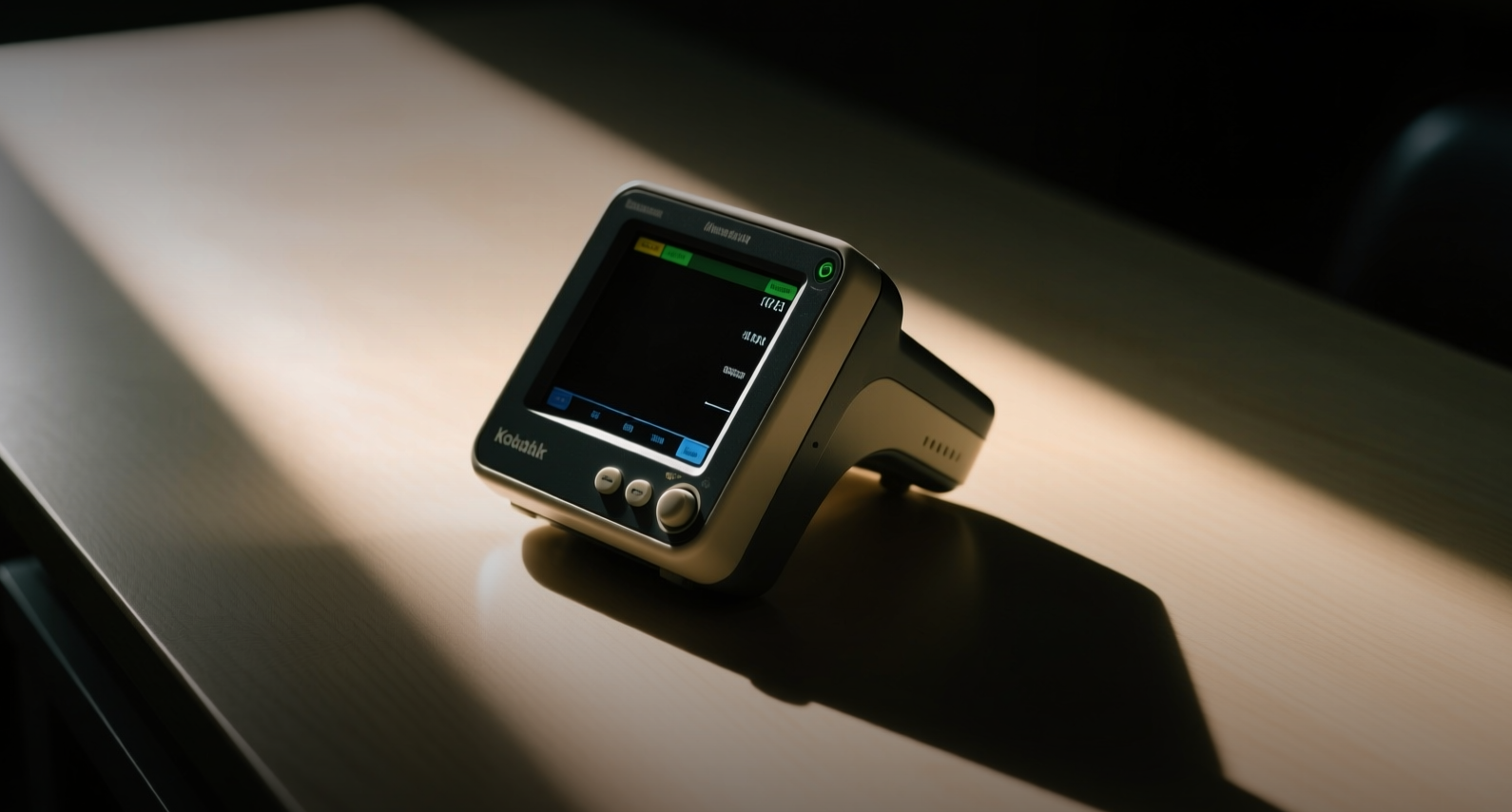
Philips shares fell as much as 11% in early European trading Tuesday after the Dutch health technology company reported a decline in orders, erasing all gains since the start of 2026.
The drop ran counter to broader European markets, where the Stoxx 600 opened 0.2% higher, the FTSE 100 added 0.1% and the DAX gained 0.5%. The order shortfall drove the company-specific selloff, with traders focusing on the implications for future revenue.
Philips, one of the world's largest medical device makers, generates the bulk of its revenue from diagnostic imaging systems, patient monitoring equipment and personal health products. The company competes directly with GE HealthCare and Siemens Healthineers in the global medical imaging market, where hospital capital expenditure cycles drive purchasing decisions. Philips also faces competition from Canon Medical and Fujifilm in certain imaging segments.
An order decline at Philips could indicate a broader pullback in hospital spending, a dynamic that would pressure all three major players. GE HealthCare shares fell 1.2% in pre-market US trading, while Siemens Healthineers stock slipped 0.8% in German trading, as investors weighed the read-across from Philips' data. The medical imaging market was valued at roughly $45 billion in 2025, with Philips holding an estimated 20% share.
The 11% decline erased Philips' year-to-date gains, pushing the stock into negative territory for 2026. Orders serve as a leading indicator of revenue for medical device companies, typically converting to sales within two to four quarters. The slip raises questions about near-term earnings momentum, particularly if the trend reflects structural rather than seasonal factors. Philips had been rebuilding investor confidence after the Respironics recall, and the order data represents the first major test of that recovery.
Philips settled a multi-year litigation over its Respironics sleep apnea device recall in 2024, removing a major overhang that had weighed on the stock. The company also spun off its domestic appliances division in 2021 to focus on health technology. With those structural issues resolved, investor attention had shifted to organic growth and order momentum — making Tuesday's data particularly concerning.
The broader market backdrop added to the risk-off tone. Asian markets slumped overnight, with South Korea's Kospi plunging 10.8% on heavy selling of chipmaker stocks, while Japan's Nikkei 225 fell 4%. The selloff in Asia was driven by concerns that Chinese chipmaking progress could threaten the competitive position of global semiconductor leaders, according to Morningstar equity analyst Jing Jie Yu.
European markets largely shrugged off the Asian weakness, with the Stoxx 600 rising and most sectors trading in the green. Oil prices extended their decline, with Brent crude falling 2.1% to $84.07 a barrel, as a pause in fighting between the US and Iran eased supply concerns. The US 10-year Treasury yield pulled back to around 4.65%.
Philips is expected to report full quarterly results in the coming weeks, which will provide greater clarity on revenue trends, margins and management's outlook for the second half of 2026. Investors will be watching for any commentary on whether the order decline was concentrated in specific regions or product lines, and whether management adjusts its full-year guidance. A miss on revenue or a downward revision to the outlook could trigger further downside.
This article is for informational purposes only and does not constitute investment advice.