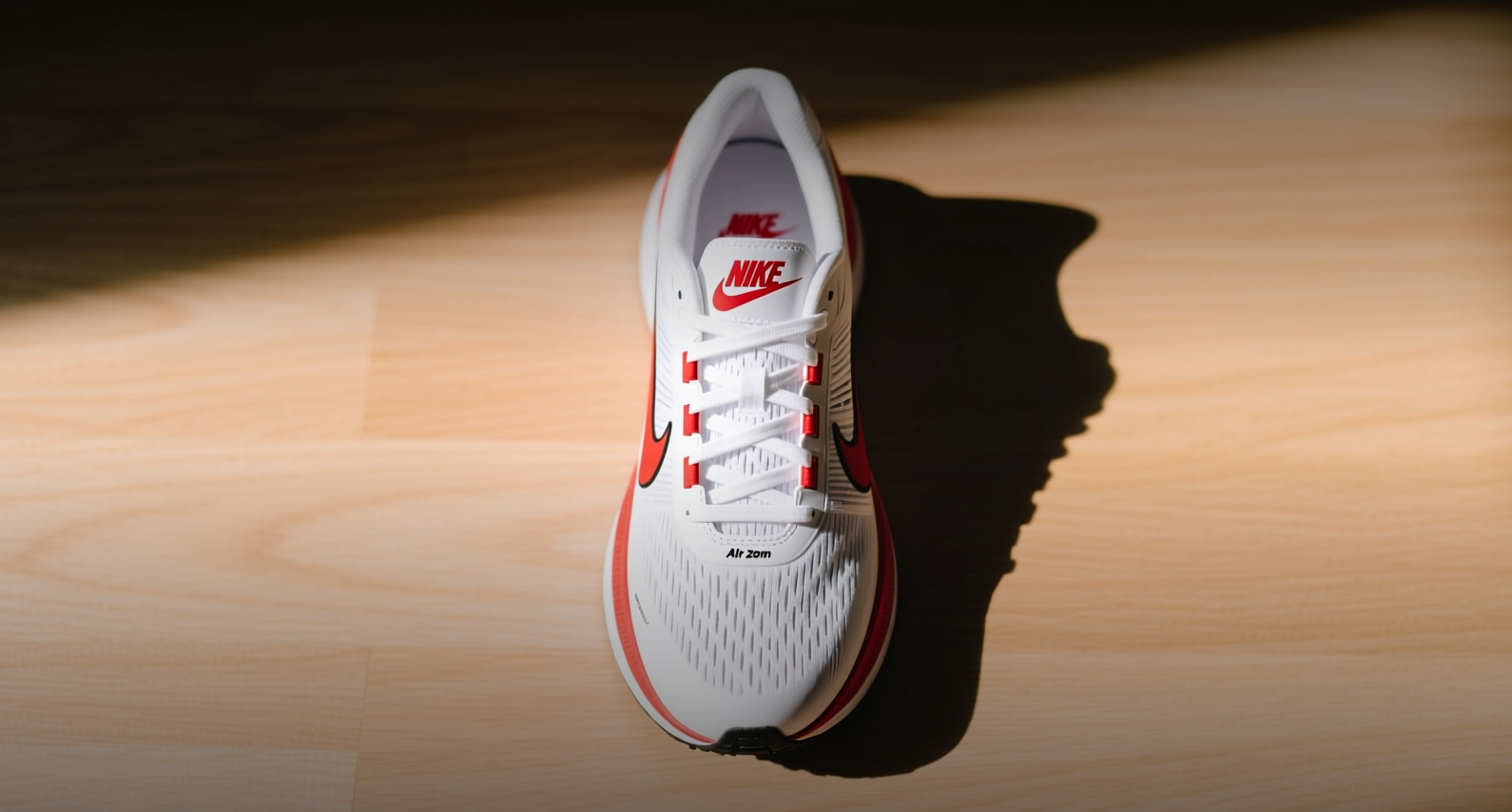
Nike's pivot to performance running is cushioning the blow from Asics' advance in the lifestyle segment, a shift that could improve earnings stability.
Nike shares surged 10% after the retailer posted better-than-feared results in Elliott Hill's first quarter as chief executive officer, even as Asics eroded its sneakerhead market share.
"The results validate our strategy of focusing on performance athletes," Hill said on the earnings call. "We're seeing strong traction in our core running and training categories."
Asics has captured roughly 10% of the performance-running market in the US, Europe and Japan, according to Morningstar, up from about 4% of the broader global sports footwear market. The Japanese brand generates approximately 50% of its revenue from performance running, a specialization that has enabled it to build a strong following among serious runners.
Nike's performance category gains have offset those losses, with the company reporting sequential acceleration in its core running and training segments. The sneakerhead segment, driven by limited-edition drops and celebrity collaborations, has historically been a key battleground for Nike but carries higher volatility in demand.
Why the shift matters for investors
The transition from trend-driven sneakerhead sales to more predictable performance demand could improve Nike's earnings stability and margin predictability, a positive signal for long-term holders. The performance category typically generates higher repeat purchase rates and more consistent revenue streams compared with the hype-driven lifestyle segment.
Asics' Morningstar analyst Ivan Su upgraded the company's moat rating to narrow in May, raising the fair value estimate to 4,790 yen per share from 4,300 yen, citing the brand's professional image as a durable competitive advantage.
Nike's next catalyst is the holiday quarter, where management will need to demonstrate that the performance-focused strategy can sustain momentum against a resurgent Asics. The company's ability to defend its roughly 40% share of the US athletic footwear market will be a key metric for investors to watch.
This article is for informational purposes only and does not constitute investment advice.