
Key Takeaways: Treasury Secretary Scott Bessent dismissed the deepening global bond sell-off as the 10-year U.S. yield hit a 20-month high of 4.78 percent, signaling no near-term policy intervention.
Key Takeaways: Treasury Secretary Scott Bessent dismissed the deepening global bond sell-off as the 10-year U.S. yield hit a 20-month high of 4.78 percent, signaling no near-term policy intervention.
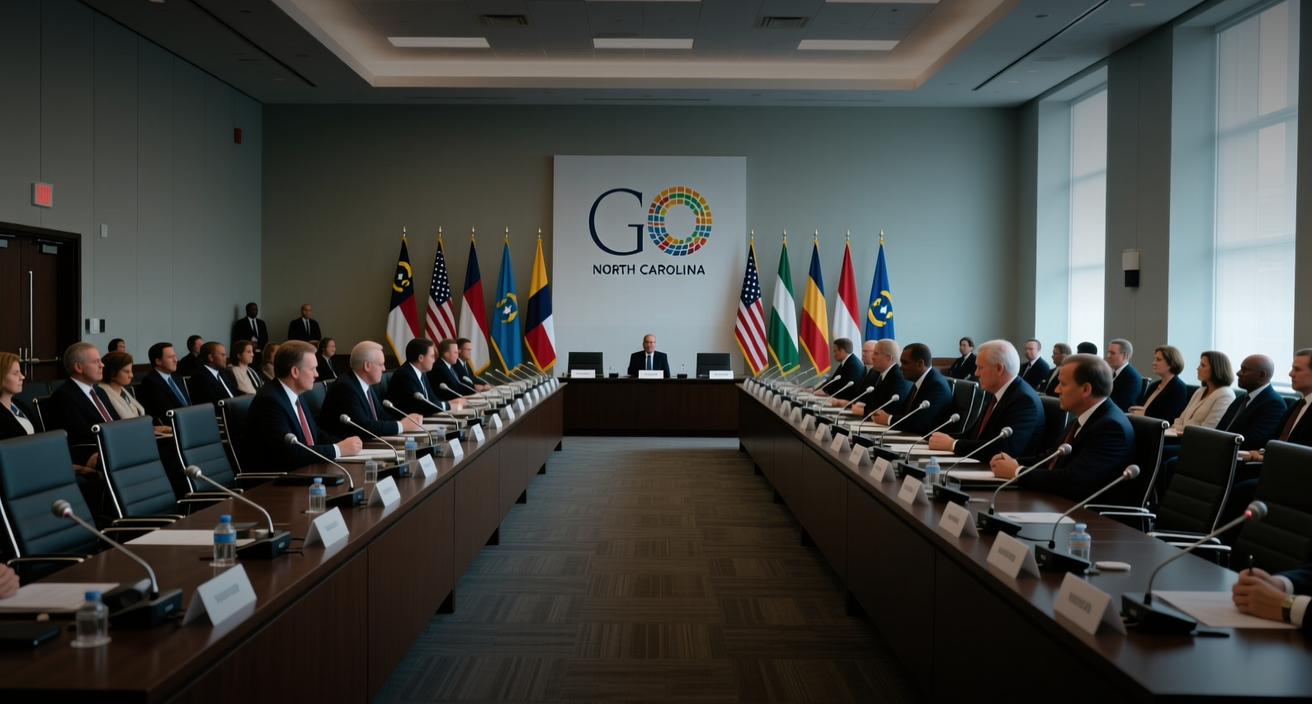
Treasury Secretary Scott Bessent dismissed the deepening global bond sell-off as the 10-year U.S. yield climbed to a 20-month high, signaling no near-term policy intervention even as borrowing costs surge across major economies.
The yield on benchmark 10-year U.S. Treasuries rose above 4.75 percent for the first time since January 2025, reaching 4.78 percent, as a global government-debt rout intensified on renewed fighting in the Middle East and oil prices returning above $90 a barrel. Speaking at the Group of Twenty finance ministers' meeting in North Carolina, Bessent played down the move, telling reporters the administration sees no reason to intervene, while ruling out any sanction relief for Russia until the war in Ukraine ends.
"The sell-off reflects a repricing of the inflation and fiscal outlook, not a disorderly market," Bessent said, according to a person familiar with his remarks at the G20 gathering. He added that the Treasury sees "no need for policy action" in response to the yield move, a stance that leaves the bond market's upward pressure unchecked.
The rout is global in scope. Japan's 10-year government bond yield touched 3 percent for the first time in a generation, while two-year and five-year JGB yields hit their highest since the mid-1990s. French 10-year and 30-year yields reached their highest since 2008, German 30-year yields their highest since 2011, and British 10-year yields their highest since mid-2007. The five-year U.S. Treasury yield exceeded 4.50 percent, a level last seen in January last year.
Bessent's refusal to ease sanctions on Russia until the Ukraine war concludes maintains a geopolitical risk premium that has compounded the bond pressure. His comments came as European officials expressed surprise at the attendance of Russian Finance Minister Anton Siluanov at the G20 summit in North Carolina, with several delegations lodging formal protests over his presence.
The combination of war risk and fiscal anxiety is squeezing government budgets and raising borrowing costs on consumer and business loans. Brent crude futures topped $91 a barrel, nearly 30 percent above prewar levels, while Europe's benchmark gas price closed at a 3-1/2-year high and wheat traded near three-year highs on stepped-up Russia-Ukraine fighting.
Federal Reserve Chair Kevin Warsh's speech at the Jackson Hole symposium last week, in which he reaffirmed the 2 percent inflation target and signaled willingness to raise rates if price pressures persist, has reset expectations for the policy path. Markets now price better-than-even odds of a U.S. rate hike this month, with increases in New Zealand on Wednesday and Europe next week also expected.
The cross-asset fallout was broad. The Dow Jones Industrial Average fell 0.7 percent, the S&P 500 dropped 0.3 percent and the Nasdaq declined 0.1 percent, while the energy sector gained 2.1 percent on higher oil. The dollar weakened 0.3 percent and the yen strengthened 0.2 percent, with the euro steady at $1.1619 and the yen at 159.76 to the dollar.
The last time the 10-year yield traded above 4.75 percent, in January 2025, equities sold off for three consecutive sessions before stabilizing as the Fed signaled patience on cuts. This time, with Warsh's hawkish reset and fiscal deficits widening, investors are demanding a higher term premium to hold long-dated debt, a dynamic that could persist until Friday's U.S. jobs data clarifies the rate path. If inflation prints hot, the yield could push toward 5 percent; if the labor market cools, the sell-off may pause but is unlikely to reverse while oil stays above $90.
This article is for informational purposes only and does not constitute investment advice.
