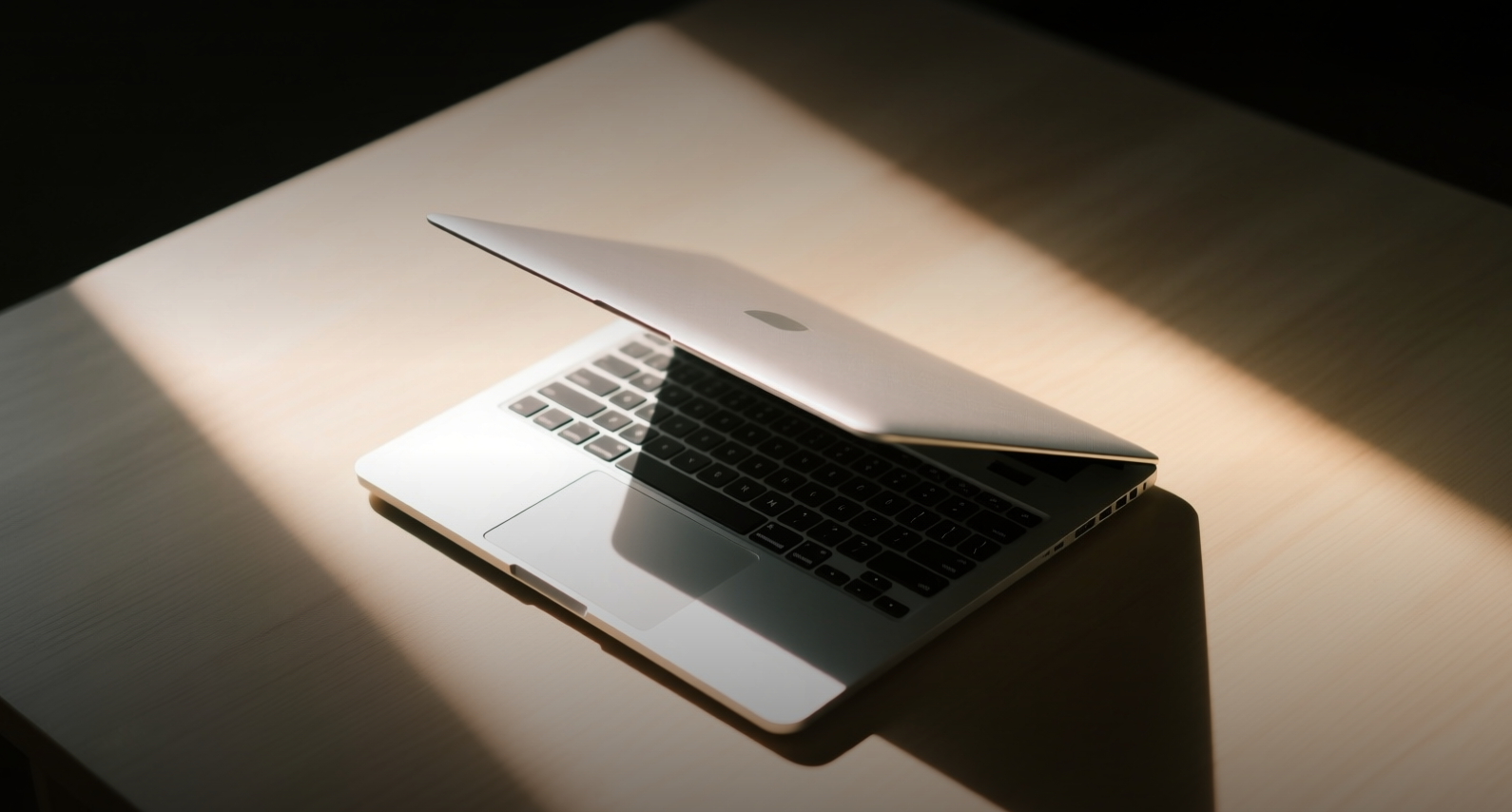
Deepwater Management's Gene Munster predicts a hardware refresh cycle starting in 2027 as AI tools overwhelm current laptop memory configurations.
Gene Munster expects a major enterprise and consumer hardware refresh cycle beginning in 2027, driven by artificial intelligence applications that demand far more memory than current laptops can provide.
"The writing is on the wall," Munster, Managing Partner at Deepwater Management, said. "In CY27 and beyond we will start to see an enterprise and consumer hardware upgrade cycle driven in part by the need for more unified memory."
The prediction follows real-world testing by Deepwater's Doug Clinton, who ran Grok's Build — a command-line version of Claude Code and OpenAI Codex — on a standard laptop last weekend. The software caused the machine to shut down, Munster said, calling the AI tool "a memory hog." Current commercial laptops lack the unified memory capacity to run advanced local AI workflows without system failures.
Munster identified Apple Inc., HP Inc., SanDisk Corp. and Western Digital Corp. as primary beneficiaries. Apple shares have gained 20.13% year to date, while SanDisk surged 485.96% and Western Digital rose 182.94% over the same period. HP has added 8.71% YTD. The transition signals a structural growth phase for personal computing and memory chip makers, with businesses and consumers expected to upgrade to next-generation devices equipped with expanded memory.
Local AI Workloads Exceed Current Hardware Limits
The bottleneck stems from the growing complexity of AI models running directly on user devices rather than in the cloud. Tools like Grok's Build, Claude Code and OpenAI Codex require substantial unified memory to process code generation, debugging and execution tasks simultaneously. When local memory is insufficient, systems crash or throttle performance, making the software unusable on standard configurations.
Apple's M-series chips use a unified memory architecture that pools RAM with the GPU, giving the company a potential advantage in the coming upgrade cycle. HP, as a leading PC manufacturer, stands to benefit from enterprise fleet refreshes as companies replace laptops that cannot handle AI workloads. SanDisk and Western Digital, the two largest NAND flash memory producers, would supply the higher-capacity storage and memory components these new devices require.
Munster's Track Record and Market Implications
Munster, a longtime Apple analyst who previously covered the stock at Piper Jaffray, has been among the more vocal voices linking AI adoption to hardware replacement cycles. His thesis extends beyond GPUs and data center infrastructure to the end-user devices that must eventually run AI inference locally.
The upgrade cycle would mirror past transitions driven by software demands — from the shift to solid-state drives to the move to higher-resolution displays — but the scale could be larger. Enterprise PC fleets typically refresh every three to four years, and a 2027 cycle would align with the natural replacement cadence for machines purchased during the pandemic-era remote work boom.
For investors, the key question is whether the market has priced in this demand. Apple trades at roughly 30 times forward earnings, reflecting its services revenue growth as much as its hardware business. SanDisk and Western Digital have already rallied sharply on AI memory demand, with SanDisk up nearly 5-fold year to date. HP, by contrast, trades at a more modest valuation, suggesting the PC refresh thesis may offer more upside if enterprise adoption accelerates.
This article is for informational purposes only and does not constitute investment advice.