
Xiaomi's SU7 crossed 500,000 cumulative deliveries one day before interim results that will test the EV division's 550,000-unit annual target.
Xiaomi's SU7 crossed 500,000 cumulative deliveries one day before interim results that will test the EV division's 550,000-unit annual target.
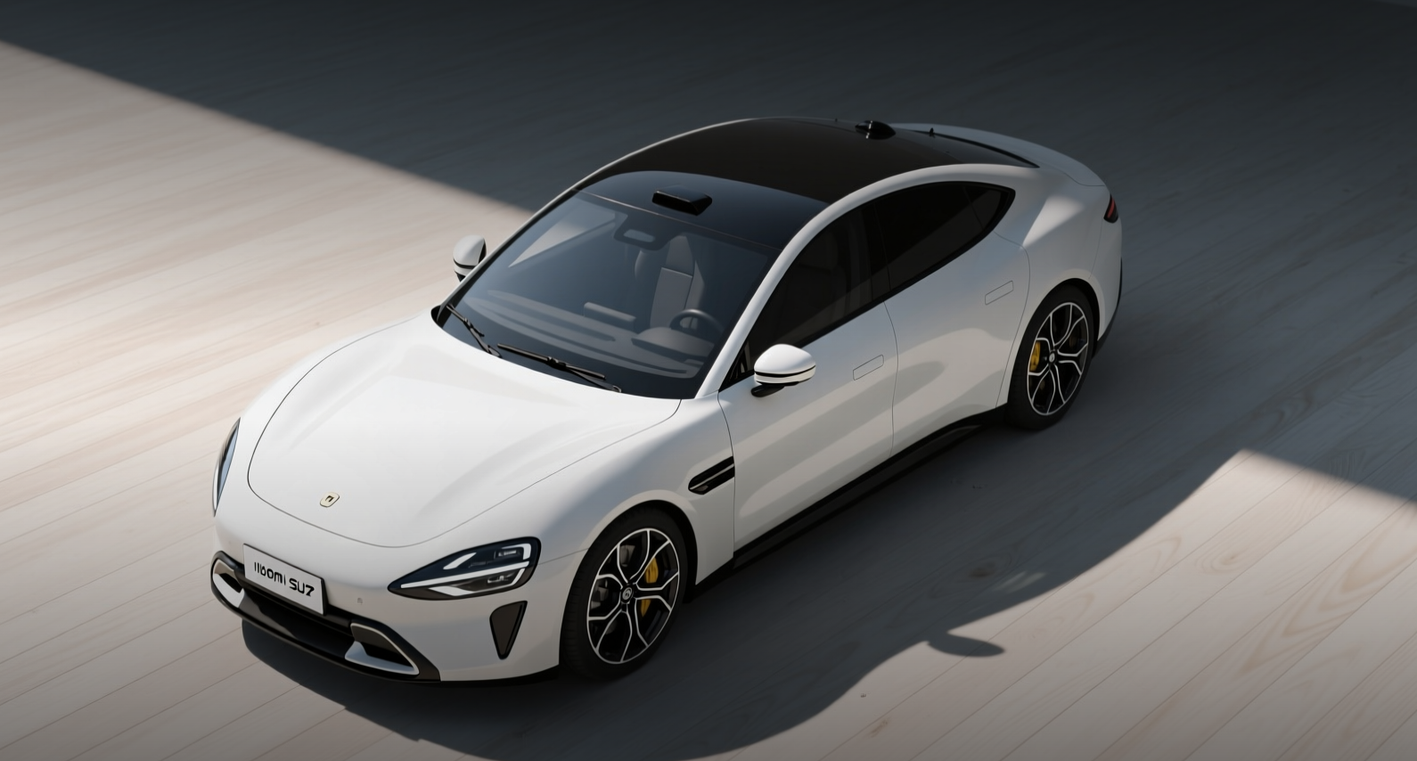
Xiaomi's SU7 series surpassed 500,000 cumulative deliveries, a production milestone that lands one day before interim results where management faces questions on whether the EV division can still reach its 550,000-unit annual target.
Reuters reported in early August that Xiaomi is running behind its internal EV delivery targets, prompting the launch of new large SUV models to reignite demand. July deliveries came in at 31,267 vehicles, per China Passenger Car Association data — a 2.68 percent improvement year-on-year but a 9.99 percent decline from June.
Cumulative deliveries through July stood at 216,322 vehicles, roughly 39 percent of the 550,000-unit target. To hit that goal, Xiaomi would need to average approximately 66,700 deliveries per month from August through December — more than double the July pace. The SU7 sedan contributed 21,044 units in July, up 3.1 percent month-on-month, while the YU7 SUV slumped 28.6 percent to 10,223 deliveries.
The delivery math carries direct investment implications. Xiaomi shares closed Friday at EUR 2.87, down 34 percent year-to-date, with the company repurchasing roughly 1.862 million Class B shares at an average price of HK$26.85. The interim results due August 18 will determine whether management holds firm on the annual target or resets expectations.
The 500,000-unit milestone demonstrates Xiaomi's ability to scale production in a hyper-competitive market, but the trajectory has cooled. First-quarter deliveries totaled 80,856 units, and the second quarter pushed past 100,000 for the first time, with each month exceeding 30,000 vehicles. July's sequential decline broke that pattern.
The model-level divergence adds another layer. The SU7 sedan's 3.1 percent month-on-month gain suggests sustained demand for the flagship, while the YU7 SUV's 28.6 percent drop points to product-mix challenges in a segment where BYD and Tesla dominate. Xiaomi's broader EV ambitions face the same price-war dynamics that have compressed margins across China's EV sector, where competitors like NIO and XPeng are also fighting for share.
A reported safety incident involving an SU7 equipped with an active lane-centering system adds an unwelcome layer of scrutiny. According to the accounts, the vehicle's safety systems failed to detect an obstacle in time. With autonomous driving already a sensitive public topic in China, the episode complicates the narrative around Xiaomi's driver-assistance credentials.
While the EV division chases scale, the core handset business faces a cost squeeze. Goldman Sachs projects second-quarter gross margin of just 8.2 percent for the smartphone division, with sharply higher DRAM and NAND memory-chip prices eating into profitability. The global smartphone market has fallen to its lowest level since 2013, according to Counterpoint, and Xiaomi's market share has slipped to roughly 12 percent.
CICC expects overall revenue of around 107.14 billion yuan for the quarter — a decline of about 7.6 percent year-on-year — with earnings per share also expected to fall markedly. The company's premiumization strategy, anchored by the Redmi K100 Pro lineup launched at 3,699 yuan, is being stress-tested by an unforgiving cost environment.
On the software front, Xiaomi unveiled HyperOS 4 this week with an integrated AI assistant dubbed "Super XiaoAI 2.0." The beta rollout began across devices including the Xiaomi 17 series and Redmi K90 line, though some outlets have criticized the interface's translucent "frosted glass" aesthetic as resembling Apple's iOS.
The August 18 interim results will provide the clearest read yet on both fronts. Consensus estimates point to second-quarter revenue of 116.84 billion yuan and earnings per share of 0.225 yuan, both trailing the prior-year period. Management's guidance on the EV delivery target — whether held or revised — will likely determine the stock's near-term direction. Xiaomi trades at a market capitalization of roughly EUR 72.92 billion, with annualized volatility of 60 percent reflecting the market's uncertainty about which growth engine wins out.
This article is for informational purposes only and does not constitute investment advice.
