

Xiaomi's EV unit is now matching the delivery speed of established automakers, a milestone for the smartphone giant's two-year-old car business.
Xiaomi's EV unit is now matching the delivery speed of established automakers, a milestone for the smartphone giant's two-year-old car business.
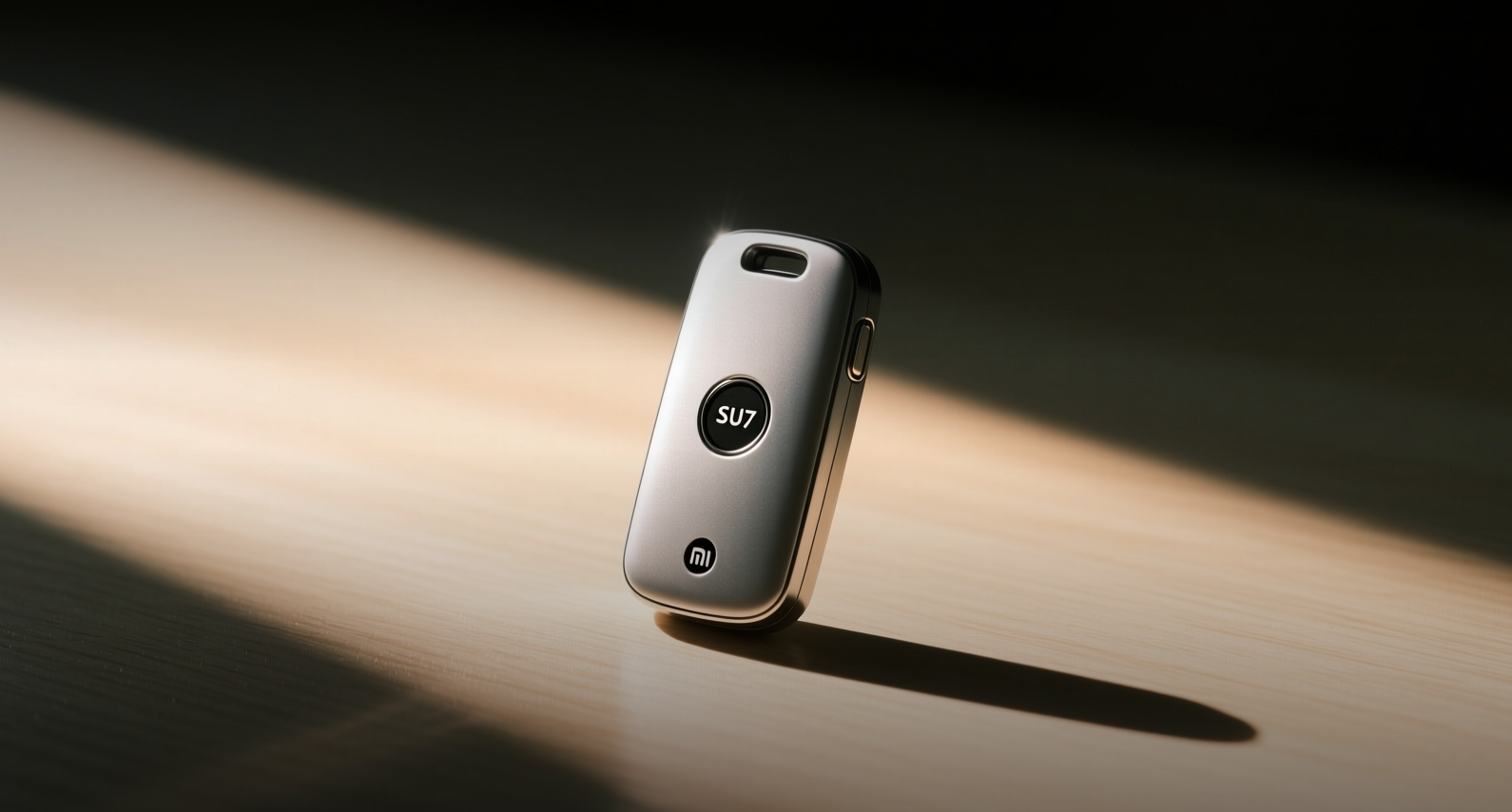
Xiaomi's ability to deliver a facelifted SU7 within two hours of order lock-in shows production maturity that rivals incumbents BYD and Tesla in China's crowded EV market.
Xiaomi announced the limited stock sale on July 14, offering same-day order lock-in with fastest delivery within two hours, the company said in a statement. The rapid turnaround is enabled by its hyper factory in Beijing, which the company has described as among the most advanced car manufacturing facilities globally, featuring highly automated assembly lines capable of producing a finished vehicle every 76 seconds at full capacity.
The SU7 facelift arrives as Xiaomi's second EV model following the SkyNomad, a reconfigurable-cabin series revealed earlier this year. The smartphone maker entered the EV market in 2024 and has been ramping production at its Beijing facility, which has an annual capacity of 300,000 vehicles. The company has not disclosed pricing for the facelift model or how many units are available in the limited stock release.
The ability to deliver within hours rather than weeks or months gives Xiaomi a competitive edge in China's price-sensitive EV market, where delivery timelines often stretch beyond four weeks for popular models from Nio and XPeng. BYD typically delivers within two to four weeks for its best-selling models, while Tesla China maintains a one-to-three-week delivery window for the Model 3 and Model Y. Xiaomi's stock could see positive momentum as the immediate availability shows strong production capability and potential for higher near-term sales.
The SU7 facelift launch comes as China's EV price war intensifies, with BYD cutting prices on its Seal and Han models by as much as 15 percent in the second quarter of 2026. Tesla reduced Model 3 and Model Y prices in China by 5 percent in June, squeezing margins across the industry. Xiaomi's strategy of offering limited-stock, fast-delivery vehicles differentiates it from competitors that rely on build-to-order models with longer lead times.
Xiaomi's hyper factory uses more than 700 robots across welding, painting, and final assembly stations, according to the company. The facility's just-in-time parts delivery system reduces inventory carrying costs and allows the company to match production to real-time orders, a model borrowed from its smartphone manufacturing playbook.
The company's EV business remains in its early stages but has gained traction faster than many analysts expected. Xiaomi delivered more than 100,000 SU7 units in the first half of 2026, according to industry estimates, putting it on track to challenge second-tier EV makers such as Nio and XPeng in annual volume. The SkyNomad, a second model line with a reconfigurable cabin, is expected to begin deliveries in late 2026.
Xiaomi's EV ramp-up adds a growth vector to its core smartphone and IoT businesses. The company trades at approximately 25x forward earnings, with the EV segment still loss-making but narrowing its margin gap as production scales. Investors will be watching delivery numbers for the SU7 facelift in the coming weeks to gauge whether demand can sustain the production momentum.
This article is for informational purposes only and does not constitute investment advice.
