

Xiaomi Auto's overseas website and social accounts went live Wednesday, confirming a 2027 European launch backed by more than 700,000 cumulative deliveries.
Xiaomi Auto's overseas website and social accounts went live Wednesday, confirming a 2027 European launch backed by more than 700,000 cumulative deliveries.
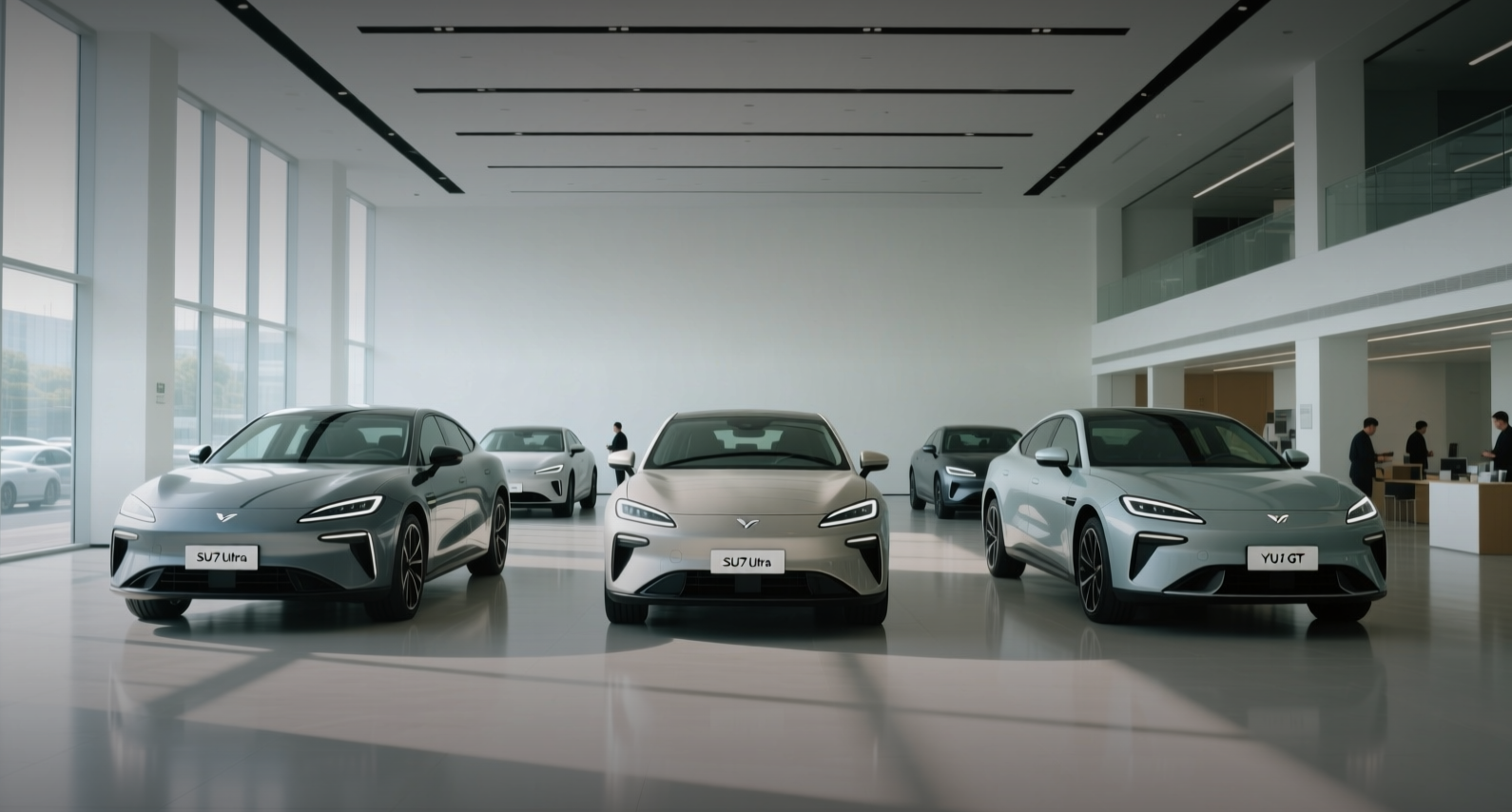
Xiaomi Auto opened its international website Wednesday, confirming a 2027 entry into Europe as cumulative deliveries pass 700,000 units, giving the smartphone maker's car business a global launchpad.
Xiaomi president William Lu said in May the company planned to formally begin its automotive overseas expansion in the third or fourth quarter of 2027, with preparations proceeding on schedule.
The English-language site, xiaomiauto.com, went live alongside the Xiaomi Auto social accounts, with an image reading "Xiaomi Auto Officially coming to Europe in 2027." The homepage showcases the SU7, SU7 Ultra, YU7 GT, Sky Nomad and Vision Gran Turismo, and includes Newsroom, Innovation and Core Technology sections plus a Dealer and Distribution Inquiries portal for potential partners. Munich is listed as one of five global R&D locations, alongside Beijing, Shanghai, Nanjing and Wuhan.
The launch comes as growth in Xiaomi's domestic deliveries slows. The company delivered 31,267 vehicles in July, up 2.68 percent year-on-year but down 9.99 percent month-on-month, and 216,322 in the first seven months — 39 percent of its 550,000 annual target. With overseas sales not scheduled until the second half of 2027, domestic production capacity and new-model ramp-ups will determine near-term growth for Xiaomi (HKEX: 1810).
Xiaomi's strategy is to enter developed markets before expanding into developing economies, target the mid- to high-end segment before moving into the midrange, and prioritize right-hand-drive markets before left-hand-drive ones. Lu said automobiles are highly regulated products, with preparations involving legal and regulatory compliance, product localization, and the development of sales channels and retail networks.
The company appointed auto division vice president Yu Liguo in May to concurrently head its overseas business preparation group, reporting to group CEO Lei Jun and Lu. The international website consistently uses Xiaomi Auto as the English name for the automotive business, a shift from the xiaomiev.com domain used on the Chinese site.
Xiaomi's push abroad comes as it faces a crowded home market where BYD, Nio, Xpeng, Li Auto and Zeekr compete on price, and where Tesla's Shanghai plant anchors foreign competition. The first-generation SU7 accounted for 381,000 of the more than 700,000 cumulative deliveries through July 30, with the balance coming from newer models including the YU7 GT and Sky Nomad.
To hit its 550,000 annual target, Xiaomi would need to deliver an average of about 66,700 vehicles a month over the remaining five months, a pace it has not sustained. The website currently focuses on brand and technology showcase, without a vehicle configurator, local pricing or a purchasing portal, indicating the launch is a preparatory step rather than the formal start of overseas sales.
Xiaomi shares trade on the Hong Kong exchange as investors weigh whether the European push can offset slowing domestic growth. The 2027 timeline means near-term delivery numbers and the ramp-up of new models remain the key drivers, while the confirmed Europe entry adds a longer-term growth option that rivals including BYD and Zeekr are already pursuing in the region.
This article is for informational purposes only and does not constitute investment advice.
