



Westinghouse Electric Co., which filed for bankruptcy in 2017, is now at the center of a nuclear revival driven by AI demand and a US-Saudi deal.
Westinghouse Electric Co., which filed for bankruptcy in 2017, is now at the center of a nuclear revival driven by AI demand and a US-Saudi deal.
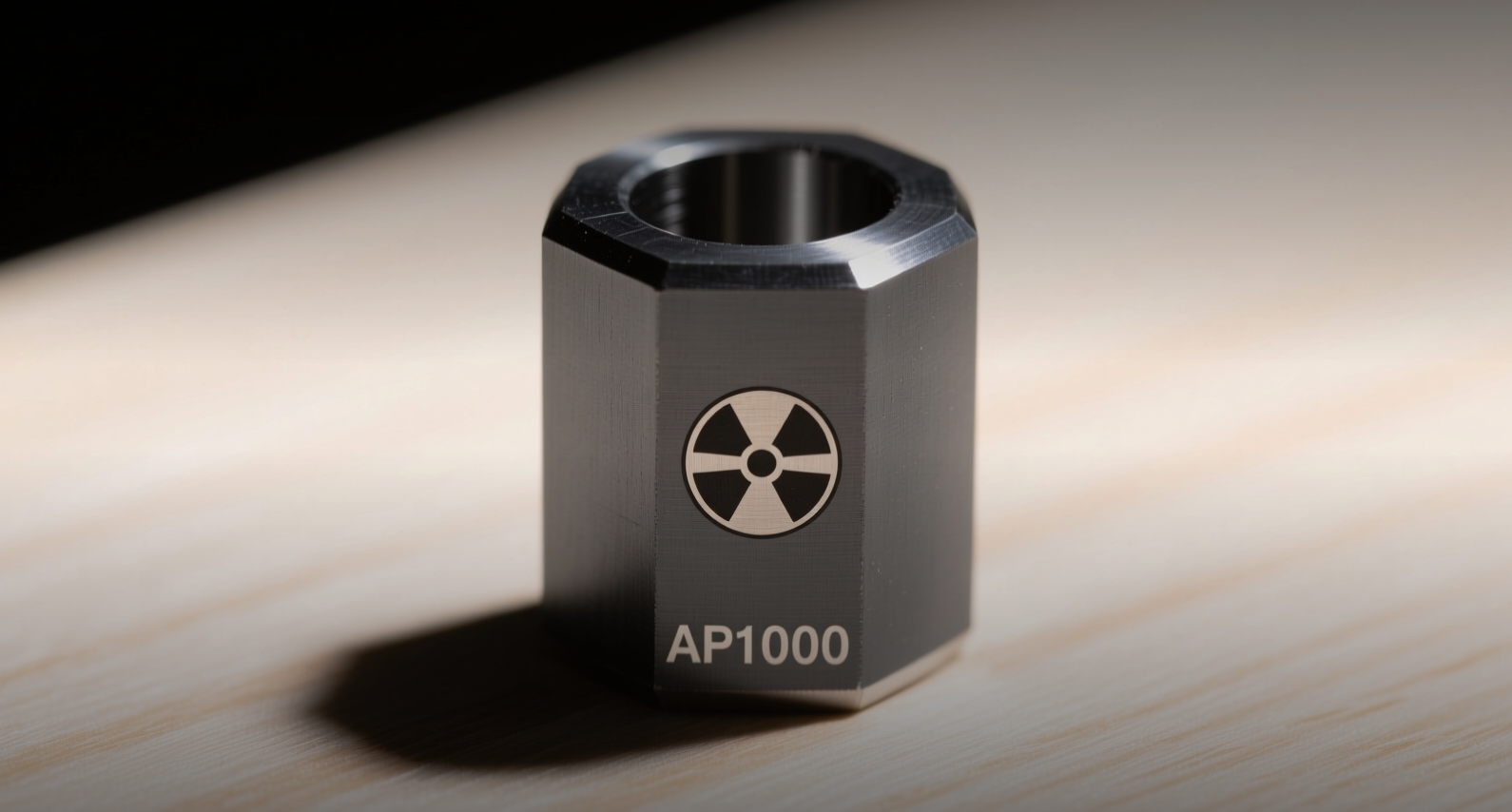
Westinghouse Electric Co., which filed for bankruptcy in 2017, is now at the center of a nuclear revival driven by AI demand and a US-Saudi deal.
The nuclear energy revival, fueled by AI data center power demand and a landmark US-Saudi agreement, has put Westinghouse Electric Co. in a position to lead a new wave of reactor construction eight years after its bankruptcy filing.
"The fundamental physics of nuclear are phenomenal, but the cost — partly for regulatory reasons, for scientific reasons — has held us back," Energy Secretary Chris Wright said at an AI energy summit Wednesday. "But that's going to change with this giant AI effort."
The Trump administration on Wednesday signed a nuclear cooperation agreement with Saudi Arabia that gives the kingdom a pathway to enrich its own fuel while committing it to use US firms including Westinghouse for reactor supply. Congress has 90 days to review the deal. Separately, the Energy Department launched a $200 million program with Oklo Inc., X-Energy Inc., Microsoft Corp. and Nvidia Corp. to speed development of advanced reactors for AI data centers. The Prometheus project will also include Amazon.com Inc. and Westinghouse, according to a document seen by Bloomberg News.
The US needs about 300 gigawatts of new nuclear capacity by 2050 to meet surging electricity demand from data centers, the Energy Department estimates, though an advanced reactor has yet to operate at commercial scale. Westinghouse, now majority-owned by Brookfield Asset Management, is also part of an $80 billion partnership with Cameco Corp. to build new reactors, positioning the company to capture a significant share of what could be the largest nuclear buildout in US history.
From Bankruptcy to Boom
Westinghouse filed for Chapter 11 protection in 2017 after cost overruns at its AP1000 reactor projects in Georgia and South Carolina pushed the company into financial distress. The Vogtle plant in Georgia — the only AP1000 to reach completion in the US — came online years behind schedule and billions over budget, souring investor sentiment on new nuclear construction.
The landscape has shifted dramatically. AI data centers, which require around-the-clock carbon-free power, have created a new demand driver that nuclear is uniquely positioned to satisfy. Silicon Valley companies including Nvidia and OpenAI have identified energy supply limits as a key obstacle to expanding AI adoption, pushing technology giants to back nuclear projects directly.
Saudi Deal Opens New Frontier
The US-Saudi nuclear agreement, signed Wednesday by the Energy Department, represents a potential multi-billion-dollar market for Westinghouse. The deal allows Saudi Arabia to enrich uranium — a provision that has sparked alarm among nonproliferation experts — while requiring the kingdom to source reactor technology from US suppliers. Westinghouse's AP1000 and its smaller eVinci microreactor are natural candidates for the Saudi program.
The Saudi market alone could require tens of gigawatts of new capacity as the kingdom pursues economic diversification under Vision 2030. Westinghouse's involvement would mark a return to international project execution after years of restructuring.
Westinghouse, as a private company owned by Brookfield Asset Management, does not trade publicly. But investors can gain exposure through Brookfield (BAM), Cameco (CCJ), and uranium-focused ETFs. Cameco shares have rallied on the nuclear resurgence narrative, while the Global X Uranium ETF (URA) has gained as reactor development plans multiply across the US, Saudi Arabia, and Eastern Europe.
This article is for informational purposes only and does not constitute investment advice.
