
Washington notified Israel it will deploy heavy bombers against Iran for the first time in joint operations, a major escalation of the two-month conflict.
Washington notified Israel it will deploy heavy bombers against Iran for the first time in joint operations, a major escalation of the two-month conflict.
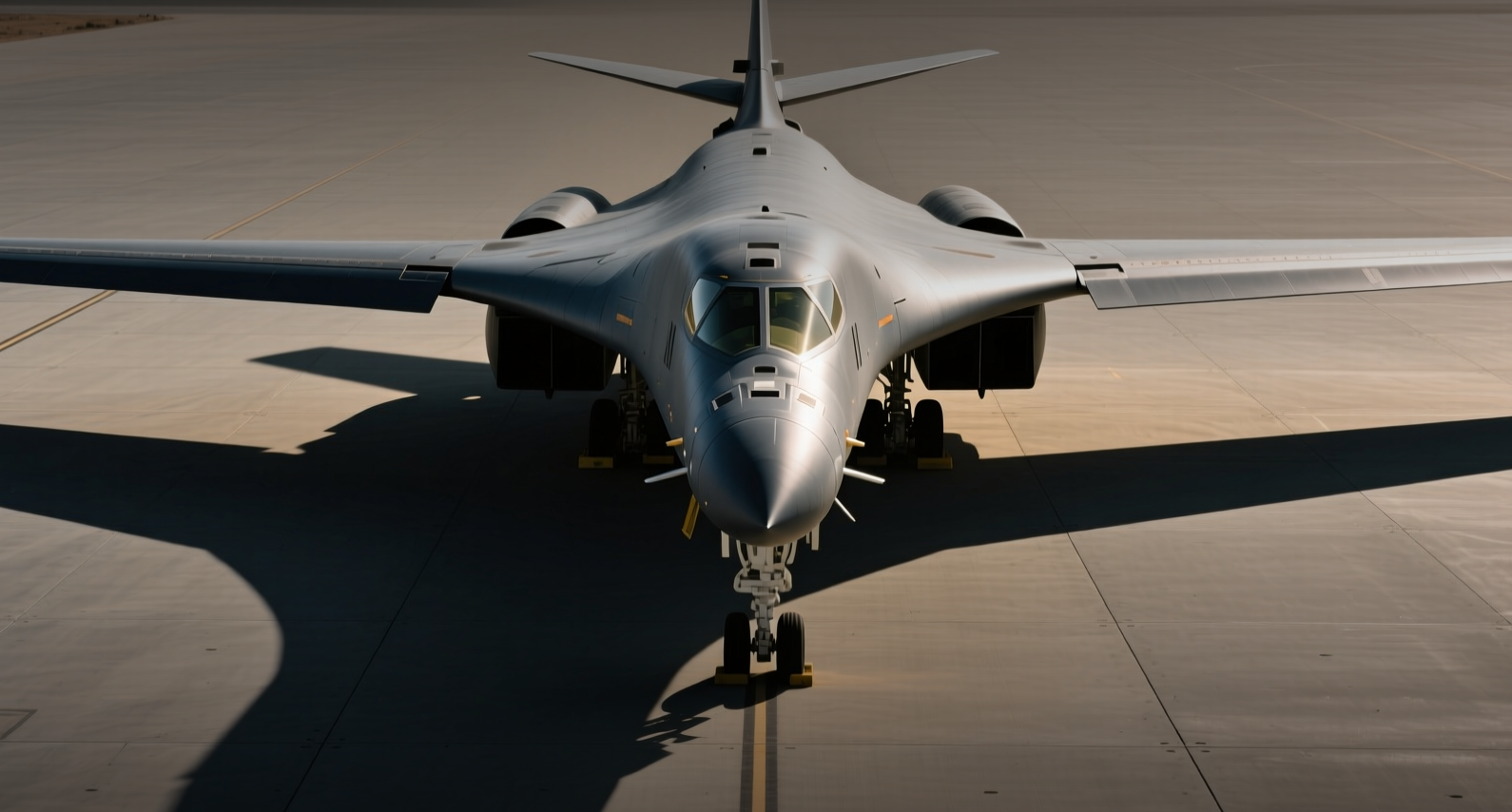
The US notified Israel it plans to expand strikes on Iran using heavy bombers for the first time in joint operations, pushing Tel Aviv to its highest alert level as the two-month conflict shows no signs of abating.
"The United States will continue imposing severe costs on Tehran for its military actions," US Secretary of State Marco Rubio said, warning Iran would "pay a very heavy price" for its continued attacks.
The escalation comes as the US completes its 12th consecutive night of airstrikes across Iran, with CENTCOM confirming strikes on maritime capabilities, missile storage facilities and air defense assets. The campaign has cost at least 18 American lives, according to the Pentagon, while the House approved $73 billion in additional war funding. Crude benchmarks have surged as the Strait of Hormuz — through which about 21% of global seaborne oil passes — remains disrupted, with Iraq reporting $40 billion to $45 billion in economic losses from the closure.
The bomber deployment shows a widening gap between the Trump administration's claims of having degraded Iran's military and the battlefield reality of continued Iranian retaliation. Tehran has maintained missile and drone attacks on US-linked facilities across Bahrain, Kuwait and Jordan, while Houthi forces in Yemen struck two Saudi oil tankers in the Red Sea. With diplomatic efforts led by Qatar yet to yield an Iranian acceptance of proposals, the conflict risks further escalation that could push oil prices higher and deepen the economic toll across the region.
The B-1B Lancer, a long-range strategic bomber capable of carrying up to 75,000 pounds of conventional weapons and traveling more than 7,400 miles without refueling, participated in strikes on Iranian targets from RAF Fairford in the UK, according to Axios. The aircraft's deployment marks a significant step beyond the fighter jet operations that have characterized the campaign since it began.
Iran has continued to retaliate despite the sustained US air campaign. Satellite imagery analysis by the Washington Post found that Iranian attacks damaged or destroyed at least 228 structures or pieces of equipment at US military sites across the Middle East, including hangars, fuel depots, radar systems and air defense assets. A Congressional Research Service review estimated that 42 US aircraft were lost or damaged during Operation Epic Fury, including F-15E Strike Eagles, F-35s and MQ-9 Reaper drones.
Market Impact Deepens as Conflict Spreads
The widening conflict has sent shockwaves through global markets. Brent crude has risen as the Strait of Hormuz disruption threatens supply routes, while gold has gained as investors seek safe havens. Opinion polls show fewer than 30% of Americans now support the war, with public backing declining as the economic burden grows. Defense Secretary Pete Hegseth and Joint Chiefs Chairman General Dan Caine have told Congress that additional funding beyond the $73 billion approved by the House will be necessary to sustain operations.
The last time the US deployed B-1 bombers in a sustained campaign against a state adversary was during Operation Desert Storm in 1991, when the aircraft conducted conventional strikes against Iraqi military infrastructure. That campaign ended within weeks; the current conflict has entered its third month with no resolution in sight.
Diplomatic Channels Remain Open
Qatar continues mediation efforts involving US, Iranian and Omani officials aimed at restoring safe navigation through the Strait of Hormuz and reducing hostilities. However, Iran has yet to accept the latest proposals, according to sources familiar with the discussions. The White House has not indicated how long negotiations will continue before additional military decisions are made.
This article is for informational purposes only and does not constitute investment advice.
