
Six months into a war that has failed to break Iran's blockade of the Strait of Hormuz, the White House is escalating its threat posture.
Six months into a war that has failed to break Iran's blockade of the Strait of Hormuz, the White House is escalating its threat posture.
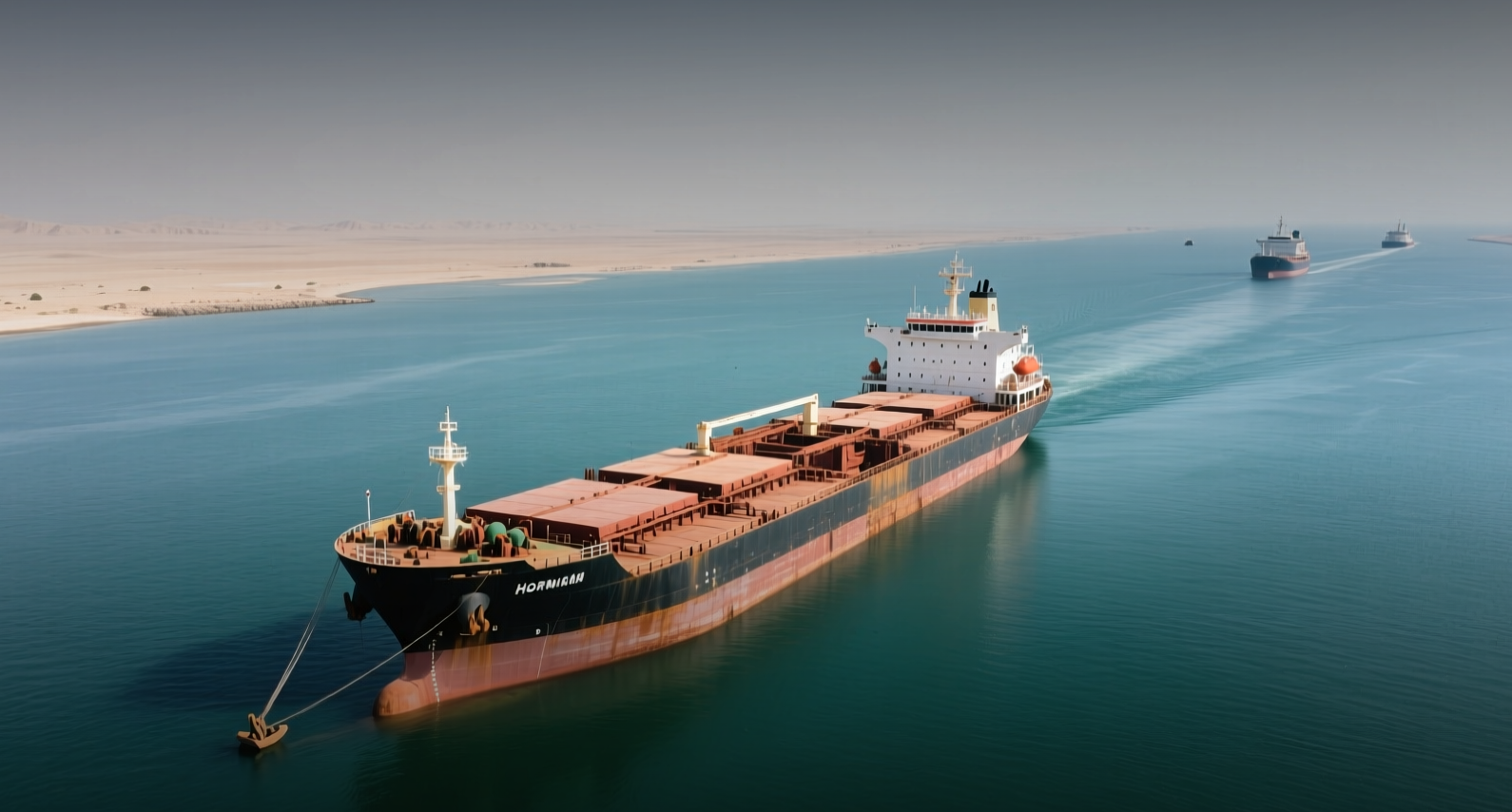
Vice President JD Vance said Trump is issuing a formal warning to Iran to halt its actions or face consequences, as six months of war have failed to break Tehran's grip on Hormuz.
"The new phase is now economic punishment, not military punishment from the US. Iran is not going to acquiesce, and so we're just going to stare at each other across the Strait of Hormuz and see who can wait the other out," said Dan Pickering, chief investment officer at Pickering Energy Partners.
The warning follows Treasury Secretary Scott Bessent's unveiling of "Operation Economic Outcast" — a sanctions campaign targeting countries and financial institutions that do business with Iran, extending beyond oil to digital assets, gold, and aviation. Iran's rial hit a record low of 2.02 million to the dollar on Monday, food inflation reached 128 percent year-on-year in July, and oil exports have effectively fallen to zero under the US naval blockade.
The stakes extend well beyond the two combatants. The Strait of Hormuz carried about 20 million barrels of oil per day before the war — roughly a fifth of global traded oil — and current flows are estimated at 25 to 50 percent of prewar levels. Brent crude hovers near $90 a barrel, and any renewed military escalation could push prices sharply higher, while China, which buys about 80 percent of Iran's seaborne crude, has warned it will "take all necessary measures" to protect its interests.
The ultimatum marks a strategic pivot for an administration that began the war expecting a quick victory. Trump declared on March 11 that the "excursion" would be over within three weeks. Instead, Iran closed the Strait of Hormuz immediately and has maintained the blockade despite losing more than 150 naval vessels and its supreme leader, Ali Khamenei, who was killed in the opening days of the conflict.
The economic pressure campaign is designed to collapse Iran's remaining revenue streams. The UAE suspended financial and commercial transactions with Iran on Aug. 19, closing a traditional financial gateway. The US has also threatened secondary sanctions on countries that continue trading with Iran. China's Foreign Ministry spokesperson Lin Jian said Monday that additional pressure "will only exacerbate tensions and escalate the situation, which is in no one's interest."
Iran's economy is already in freefall. GDP contracted 6 percent, the minimum wage's dollar value has fallen from about $105 to $86 since late March, and near-triple-digit inflation has wiped out savings. Yet Tehran's hardliners appear unmoved. Foreign Minister Abbas Araghchi dismissed the new sanctions as "the same movie they keep playing over and over again."
The risk is that economic pressure pushes Iran's military leadership toward escalation rather than capitulation. On Aug. 10, Supreme Leader Mojtaba Khamenei appointed Brigadier General Ahmad Vahidi as IRGC commander with instructions to prepare for "powerful offensive operations." Mohsen Rezaei, secretary of the Supreme National Security Council, warned that Iran could begin striking US economic interests if Washington intensifies its campaign.
Iran has already demonstrated a willingness to strike first. On Jul. 28, the IRGC launched ballistic missiles at a US base in Jordan — not in retaliation but as a preemptive move. Satellite imagery indicates Tehran has been rebuilding missile bases and production facilities faster than expected.
"The longer the current situation continues, the greater the strain on an economy already struggling with shortages," said Farzan Sabet, an Iran analyst at the Geneva Graduate Institute. "If Iran concludes that waiting is eroding its position, the threshold for escalation could fall."
The last time the US and Iran were locked in a similar standoff — during the 2019 tanker attacks and the killing of Qasem Soleimani — oil spiked above $70 before tensions cooled. This time, with the strait fully closed and the global economy already absorbing six months of disruption, the margin for error is far thinner.
This article is for informational purposes only and does not constitute investment advice.
