
The White House dusted off a Depression-era trade law never used by any previous president to escalate its tariff war with Canada.
The White House dusted off a Depression-era trade law never used by any previous president to escalate its tariff war with Canada.
The White House dusted off a Depression-era trade law never used by any previous president to escalate its tariff war with Canada.
President Trump invoked Section 338 of the 1930 Smoot-Hawley Tariff Act on Monday to impose 50% tariffs on hundreds of Canadian goods, escalating a trade dispute that has already reduced bilateral auto exports by 22% and alcohol shipments by 81%.
"This deepens trade tensions and raises the risk of further retaliation at a time when many U.S. hospitality businesses continue to face financial hardships," said Chris Swonger, president of the Distilled Spirits Council.
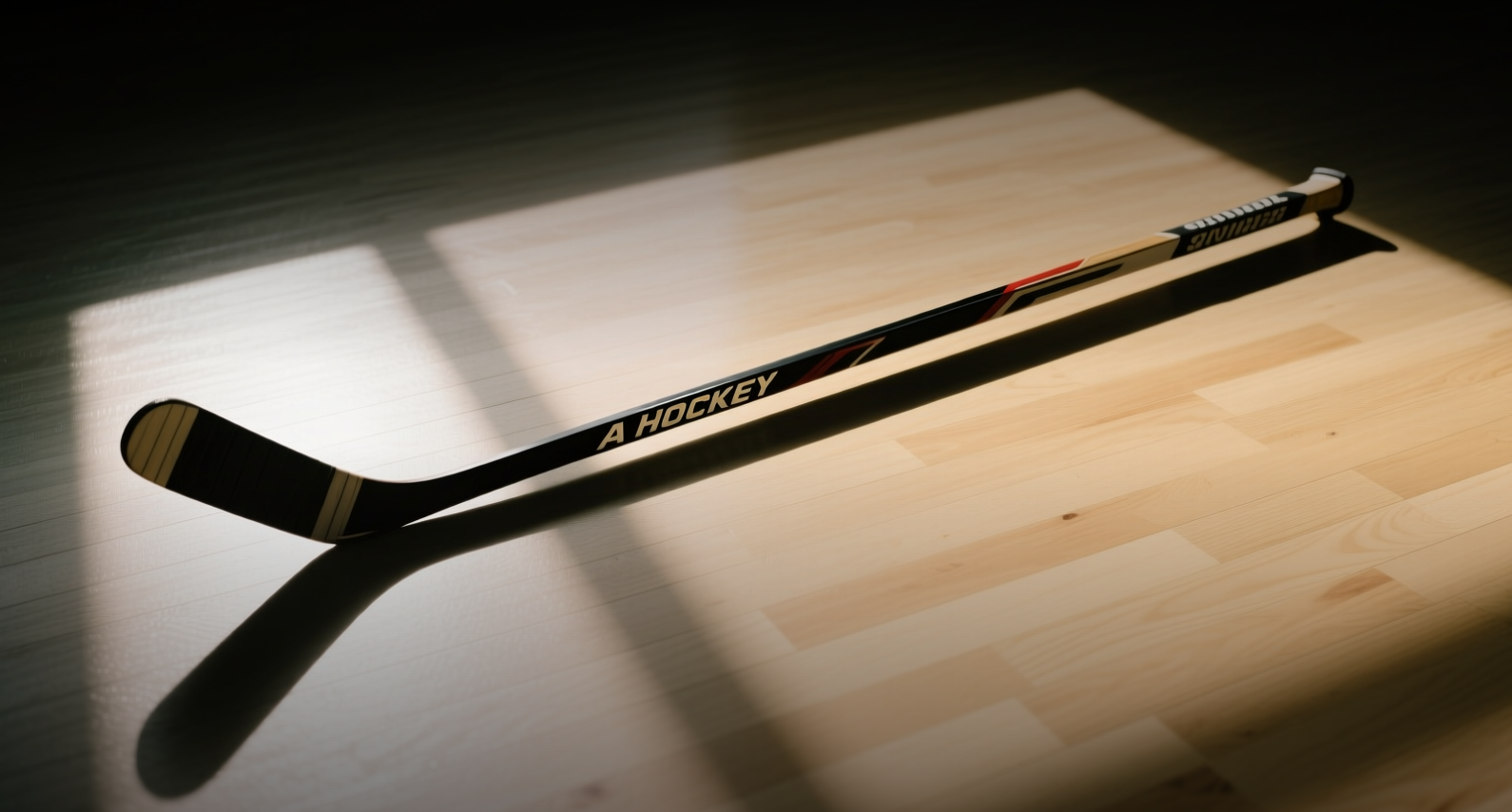
The tariffs, effective Aug. 19, target hockey sticks, honey, beer, down feathers, fishing rods, golf clubs and other goods. The White House cited Canada's 25% retaliatory tariffs on U.S. auto imports that exceeded certain quotas — a response to Trump's earlier 25% duties on motor vehicles and parts. Canadian provinces also restricted sales of U.S. alcoholic beverages, with American imports falling 81% while shipments from Chile, Japan, Argentina, Ireland, New Zealand and Australia rose 13% to 26%, according to the presidential order.
The escalation threatens to disrupt the USMCA renegotiation and further damage cross-border supply chains. A March study found the decline in Canadian tourism has already cost between 14,000 and 42,000 U.S. jobs in border markets most exposed to Canadian visitors.
A Legal Relic From 1930
Section 338, part of the Smoot-Hawley Act that economists say deepened the Great Depression, authorizes the president to impose tariffs of up to 50% on countries that discriminate against U.S. commerce. No previous president has ever used the provision, which legal scholars at the Hoover Institution and Georgetown University argue was superseded by legislation enacted in 1962 and 1974 and is therefore defunct.
The current average U.S. tariff on Canadian goods now stands at roughly 35% after Monday's escalation, up from about 10% before Trump's first round of tariffs last year. The previous escalation reduced bilateral trade flows, with U.S. motor vehicle exports to Canada falling 22% and prompting the White House to cite the decline as justification for further action.
Goods traded under the USMCA — the North American trade deal Trump signed during his first term — will not be exempt from the new tariffs, a senior administration official told reporters Monday. That decision creates uncertainty for automakers, parts suppliers and agricultural exporters that have structured supply chains around the agreement's preferential terms.
The Distilled Spirits Council's warning reflects broader concern across U.S. industries. American spirits producers, whom Trump purports to defend with the new tariffs, face the prospect of Canadian consumers permanently shifting to European and Latin American alternatives. Canadian imports of alcoholic beverages from the U.S. have already fallen 81%, while increasing from Chile, Japan, Argentina, Ireland, New Zealand and Australia by 13% to 26%.
The trade brawl also threatens the Gordie Howe Bridge connecting Detroit and Windsor, Ontario — a critical infrastructure project for cross-border commerce set to open soon. Legal challenges to the Section 338 tariffs are expected, following the Supreme Court's February rejection of Trump's IEEPA-based tariffs and the U.S. Court of International Trade's invalidation of his Section 122 duties.
This article is for informational purposes only and does not constitute investment advice.
