

Key Takeaways: California AG Rob Bonta canceled Paramount settlement talks, accusing the company of bad faith in the $110 billion WBD merger case.
Key Takeaways: California AG Rob Bonta canceled Paramount settlement talks, accusing the company of bad faith in the $110 billion WBD merger case.
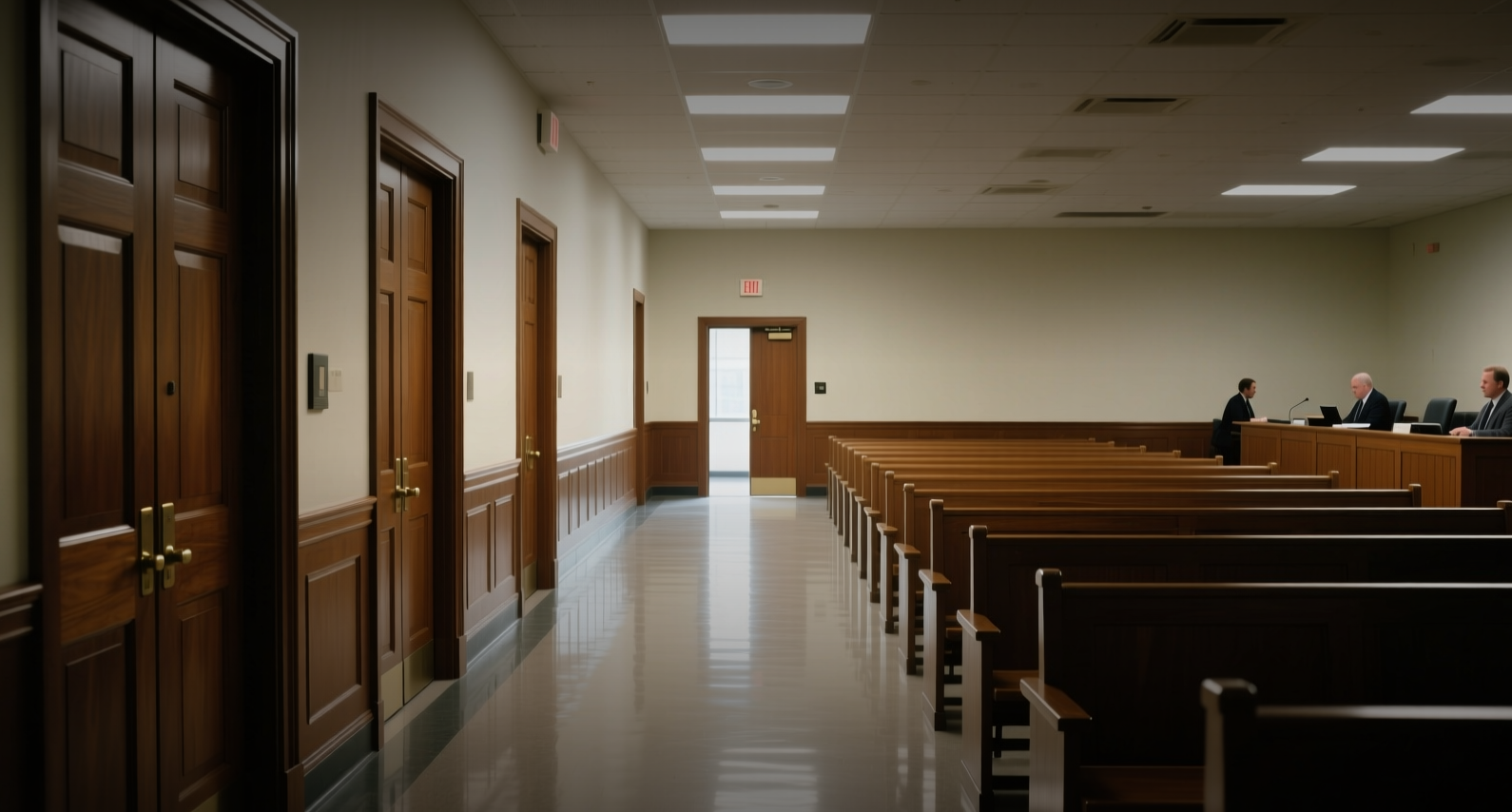
California AG Rob Bonta canceled settlement talks with Paramount on Sunday, accusing the company of leaking and mischaracterizing details from a preliminary meeting, as the $110 billion Warner Bros. Discovery merger heads to trial.
"Not only did Paramount leak the alleged substance of settlement discussions, but they misrepresented these discussions, demonstrating a lack of good faith," Bonta said in a statement. "As soon as Paramount stops playing games and engages sincerely, my office is happy to meet again."
The canceled meeting had been positioned as an early step toward resolving the 12-state antitrust lawsuit challenging the merger. Bonta leads a coalition including Arizona, Colorado, Connecticut, Massachusetts, Minnesota, Nevada, New Jersey, New Mexico, New York, Oregon, and Washington. The states argue the combined company would control roughly 27 percent of wide-release theatrical film distribution and more than 30 percent of anticipated top-grossing films, constituting presumptively illegal market concentration.
Financial pressure on Paramount is mounting. The merger agreement exposes the company to a penalty of roughly $7 million per day owed to WBD shareholders for each day the transaction remains unclosed past Sept. 30. An antitrust trial before U.S. District Judge Araceli Martínez-Olguín is scheduled for March 2, 2027.
Bonta had previously signaled that any resolution would require substantial structural remedies — meaning divestitures or spin-offs — and accused Paramount of steering early discussions toward topics outside the complaint's scope, including the streaming market and CNN. Paramount has maintained that the deal is pro-competitive and has characterized opposition to it as politically motivated. The company has said the combination would create a stronger global media competitor while maintaining both film studios and producing at least 30 theatrical films annually.
The dispute has also drawn in Paramount's corporate footprint. The company is reportedly considering relocating its headquarters to Tennessee, a move that would shift its primary regulatory exposure away from California. The potential relocation adds another layer of tension between the media giant and state regulators, with implications for Paramount's tax structure and operational costs.
Paramount filed a motion asking the court to require the plaintiff states to post a $1.88 billion bond, arguing litigation-driven delays impose financial costs the company could not recover even with a trial victory. Bonta's office rejected that argument, saying Paramount had voluntarily agreed to the existing timeline. Under a July 24 court stipulation, Paramount and Warner Bros. Discovery agreed not to close the deal or begin integrating operations until five days after a ruling on the merits or June 1, 2027, whichever comes first.
Paramount agreed in February to acquire Warner Bros. Discovery for $31 per share in cash, valuing the transaction at roughly $110 billion including debt. The last time a major Hollywood merger faced this level of state-level antitrust scrutiny was the 2018 AT&T-Time Warner case, which the Justice Department ultimately lost after a lengthy trial. That precedent may inform how both sides approach the March proceedings, though the current case involves a broader coalition of state attorneys general rather than federal enforcement.
Paramount's reported consideration of Tennessee for its new headquarters comes as the company seeks to navigate the antitrust challenge. A move would shift the company's primary regulatory exposure away from California, though the state's lawsuit would continue regardless of where Paramount is domiciled. The relocation could also affect the company's tax burden and operational costs, potentially reshaping its financial profile as it pursues the WBD acquisition.
Bonta remains open to negotiations but has insisted on substantial structural remedies. Paramount has said it is confident the deal will close and has indicated it would contest the case through every available legal avenue rather than accept a deal-blocking outcome. With the ticking fee accruing at $7 million per day from Oct. 1, the financial calculus for both sides grows more urgent with each passing week. If the case proceeds to trial, a ruling could come months after the March proceedings conclude, potentially pushing the deal's fate well into 2027.
This article is for informational purposes only and does not constitute investment advice.
