
A 15 Bcf storage injection, the smallest of the season, cut the gas surplus to 167 Bcf and lifted Nymex futures 2.3%.
A 15 Bcf storage injection, the smallest of the season, cut the gas surplus to 167 Bcf and lifted Nymex futures 2.3%.
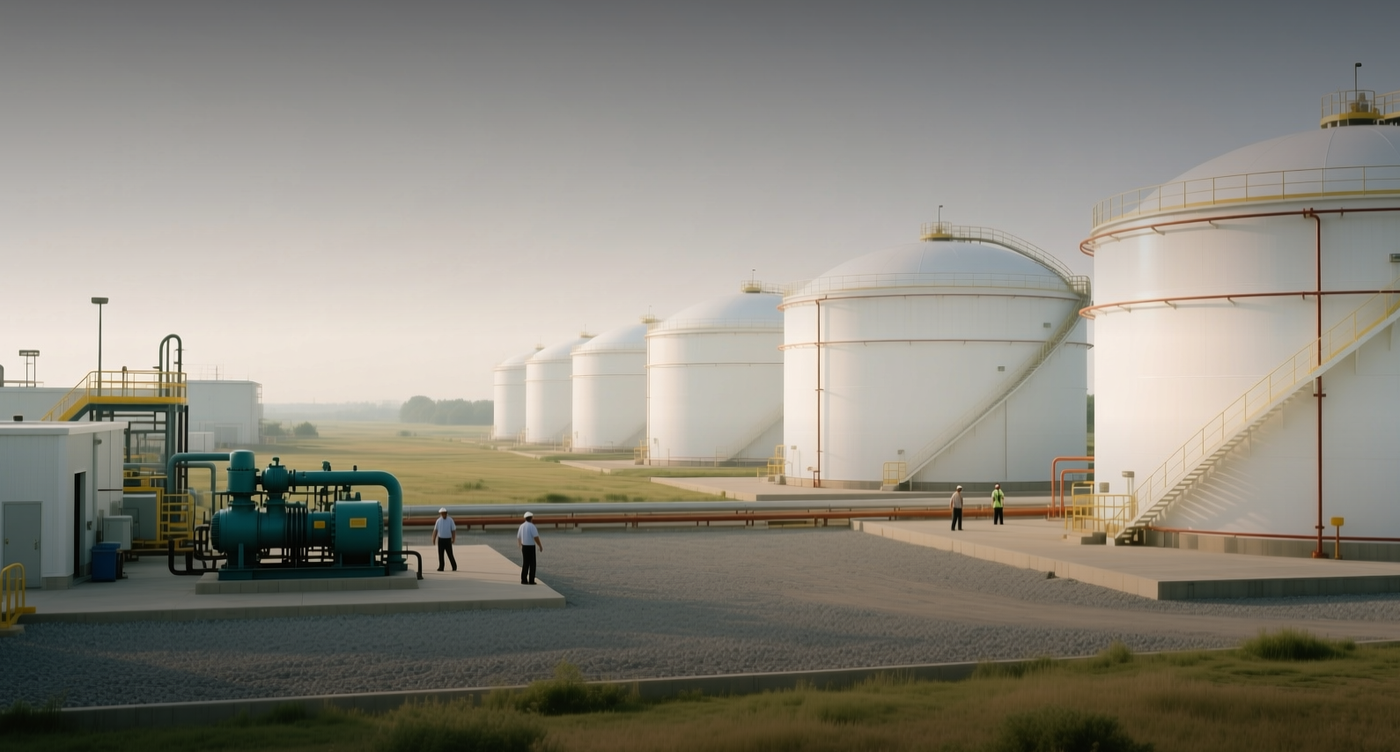
U.S. natural gas futures settled higher Thursday after the EIA reported a 15 Bcf storage injection for the week ended Aug. 21, the smallest build of the season, trimming the surplus over the five-year average to 167 Bcf.
"The past two reports likely represent the tightest conditions of the peak summer season, with just 31 Bcf added to inventories since Aug. 7," said Andy Huenefeld, an analyst at Pinebrook Energy Advisors. "The recent heat wave should keep the next two reported injections relatively modest, but inventories are expected to remain on a generally healthy trajectory."
Working gas in underground storage rose to 3,184 Bcf, 30 Bcf below a year earlier and 167 Bcf above the five-year average of 3,017 Bcf, the EIA said. The build missed the 21 Bcf estimate in a WSJ survey of analysts and the 33 Bcf five-year average for the week. The Nymex September contract settled at $2.907 per million British thermal units, up 2.3%.
The smaller-than-expected injection points to tighter supply as a late-summer heat wave pulls gas to power plants and LNG feedgas demand recovers to a two-month high, with October futures breaking above the 50-day moving average for the first time since July 8.
Heat and LNG Demand Tighten the Balance
The southern two-thirds of the country remains hot, with Texas and the Southwest running summer air-conditioning demand that is pulling gas to power plants. LNG feedgas is recovering as Gulf Coast maintenance eases, with Freeport and Corpus Christi returning to full strength, according to Eli Rubin of EBW Analytics. More gas flowing to export terminals means less available for domestic storage, and both forces hit the storage number in the same week for the first time this summer.
The regional breakdown shows the strain concentrated in the South Central region, where stocks fell 19 Bcf, including a 20 Bcf draw from salt caverns. The East added 19 Bcf and the Midwest 18 Bcf, while the Pacific region declined 3 Bcf. All regions remain above their five-year averages.
Lower-48 dry gas production remains elevated, the bearish counterweight buyers have fought all summer. Thursday's report showed that even with output running high, the combination of heat and LNG demand produced a build well below normal.
European Demand and the Winter Outlook
European gas storage is 63 percent full, 18 points below the five-year average heading into winter, while Hormuz restrictions continue to limit Middle East LNG reaching the continent. U.S. cargoes are filling part of the gap, and every molecule shipped to Europe is one that does not enter domestic storage.
October futures broke above the 50-day moving average at $2.937 for the first time since July 8, trading at $2.966 late Thursday, up 3.2 percent. The main range of $3.420 to $2.668 puts the retracement zone at $3.044 to $3.133, the next target if the close holds above the 50-day line.
The next EIA weekly storage report carries more weight than usual. Heat remains in the forecast, LNG feedgas is recovering, and European storage at 63 percent with winter approaching keeps demand for U.S. cargoes firm. A prolonged run of below-average builds would tighten the supply outlook for the heating season, while a return to heavier injections would restore the surplus that has cushioned prices.
This article is for informational purposes only and does not constitute investment advice.
