


Key Takeaways:
- Micron, SK Hynix, and Sandisk each fell more than 30% on July 28
- Micron's forward P/E dropped to 6.3 times, a level seen in distressed cyclicals
- Chinese rival CXMT's DRAM ramp and AI efficiency gains challenge the tight supply thesis
Key Takeaways:
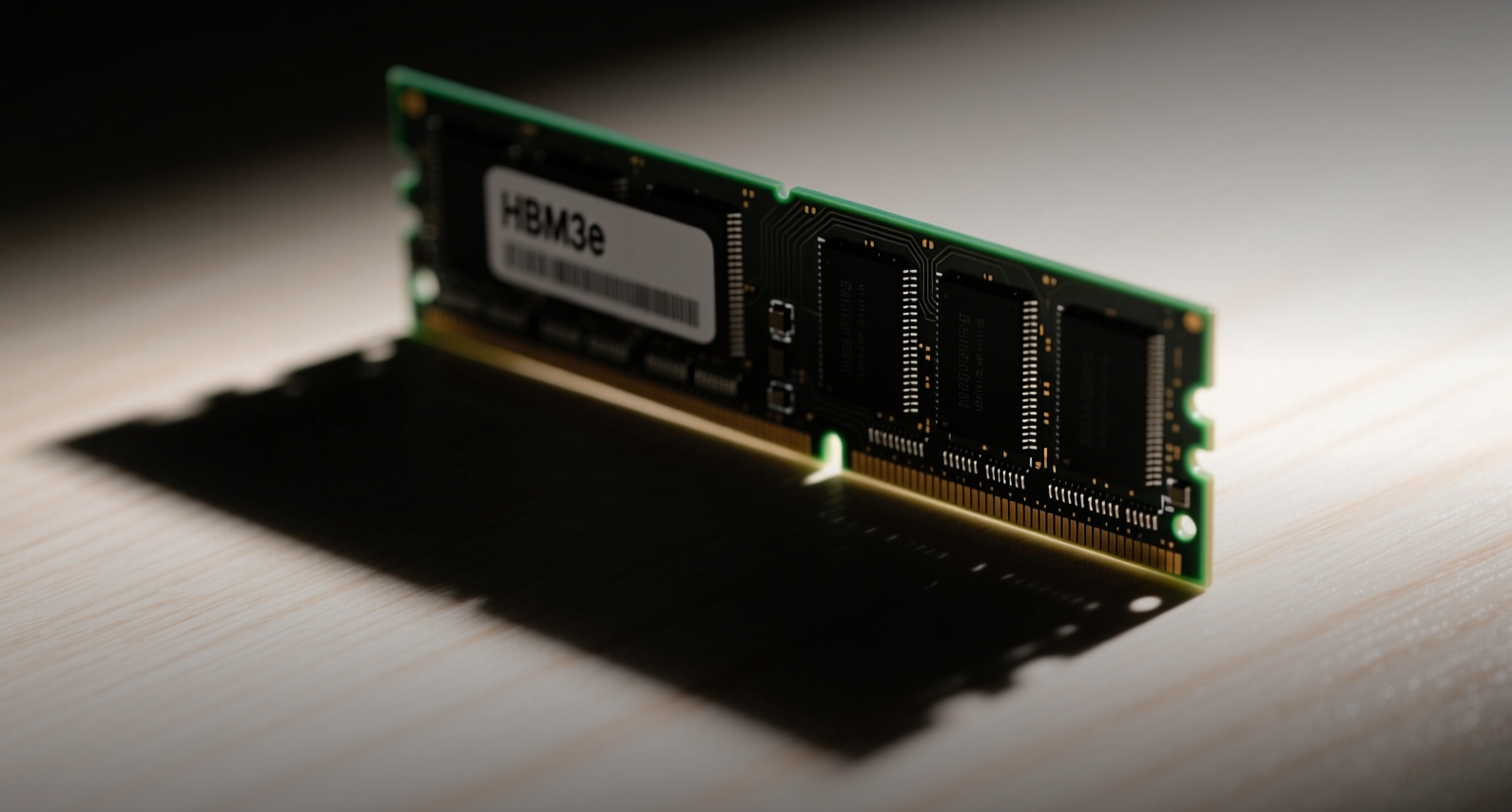
The AI-driven memory boom that lifted Micron, SK Hynix, and Sandisk to record highs reversed in a single session, erasing more than $80 billion in combined market value.
Memory chip stocks suffered their worst single-day rout in over a decade on July 28, with Micron Technology Inc., SK Hynix Inc., and Sandisk Corp. each plunging more than 30% as the AI trade collapsed.
"The market is pricing in a demand cliff that nobody saw coming 90 days ago," Rachel Kim, semiconductor analyst at Edgen, said. "The question is whether this is a cyclical correction or the end of the AI memory supercycle."
Micron closed at $92.40, down 31% from its July 1 high of $134.20, pushing its forward price-to-earnings multiple to 6.3 times — a level typically associated with distressed cyclicals, not AI beneficiaries. SK Hynix, which listed on the Nasdaq in June under the ticker SKHY, fell 34% in its worst session since the 2008 financial crisis. Sandisk dropped 32%, extending its July decline to 38%.
The selloff threatens to spill into the broader semiconductor complex. The Philadelphia Semiconductor Index fell 6.8% on the session, its steepest drop since March 2020. If the memory rout deepens, it could drag down Nvidia Corp., Advanced Micro Devices Inc., and other AI chipmakers that depend on high-bandwidth memory for their data center products.
The trigger for the selloff appears multi-pronged. Chinese rival CXMT (ChangXin Memory Technologies) has ramped production of DRAM chips, raising the prospect of oversupply in a market that had been tightly constrained. Apple Inc. is reportedly testing CXMT chips for China-bound devices, a move that could redirect billions of dollars in memory procurement away from Micron and SK Hynix. At the same time, algorithmic efficiency gains in AI training — particularly the emergence of more efficient transformer architectures — have reduced the memory intensity per model, challenging the thesis that AI demand would absorb every wafer memory makers could produce.
A 6.3x P/E — Value or Value Trap?
Micron's single-digit forward multiple has historically been a buy signal. Since 2010, the stock has suffered 22 separate drawdowns of 20% or more within a single month. Of those, 15 were followed by a positive return over the next 12 months, with a median gain of 26%, according to data compiled by Trefis. The median peak return within a year was 49%.
But this cycle may be different. The new Strategic Customer Agreements that Micron management touted as take-or-pay contracts with binding commitments — 16 such deals signed as of its latest earnings call — were supposed to smooth out the boom-and-bust cycles. Instead, the market is questioning whether those contracts have price ceilings that cap upside even as they provide a floor. Management guided for 86% gross margins in the next quarter, but some analysts worry that figure represents a peak, not a plateau.
Who Wins When Memory Crashes?
The losers are clear: Micron, SK Hynix, and Sandisk shareholders face a repricing of risk that could take weeks or months to settle. But the rout creates winners elsewhere. Cloud hyperscalers — Amazon.com Inc., Microsoft Corp., and Alphabet Inc. — stand to benefit from lower memory costs, which could reduce their data center buildout expenses by 10% to 15%, according to estimates from Bernstein Research. Nvidia, which bundles HBM3e memory with its H200 and B200 GPUs, may see lower input costs, though the broader AI demand narrative takes a hit.
For investors, the memory rout presents a classic semiconductor dilemma: buy the cyclical dip or wait for the structural thesis to reset. Micron trades at 6.3 times forward earnings, a 74% discount to the Philadelphia Semiconductor Index's average multiple of 24 times. But that discount exists for a reason — memory is the most cyclical segment of the chip industry, and the AI boom may have accelerated, not eliminated, that reality. The next catalyst comes in August when Micron reports its fiscal fourth-quarter results, where management's guidance will reveal whether the SCAs provide real earnings protection or merely a slower descent.
This article is for informational purposes only and does not constitute investment advice.
