
German police defused an explosive-laden drone at Leipzig/Halle Airport near a Ukrainian cargo plane, the first armed drone attack on European aviation infrastructure.
German police defused an explosive-laden drone at Leipzig/Halle Airport near a Ukrainian cargo plane, the first armed drone attack on European aviation infrastructure.
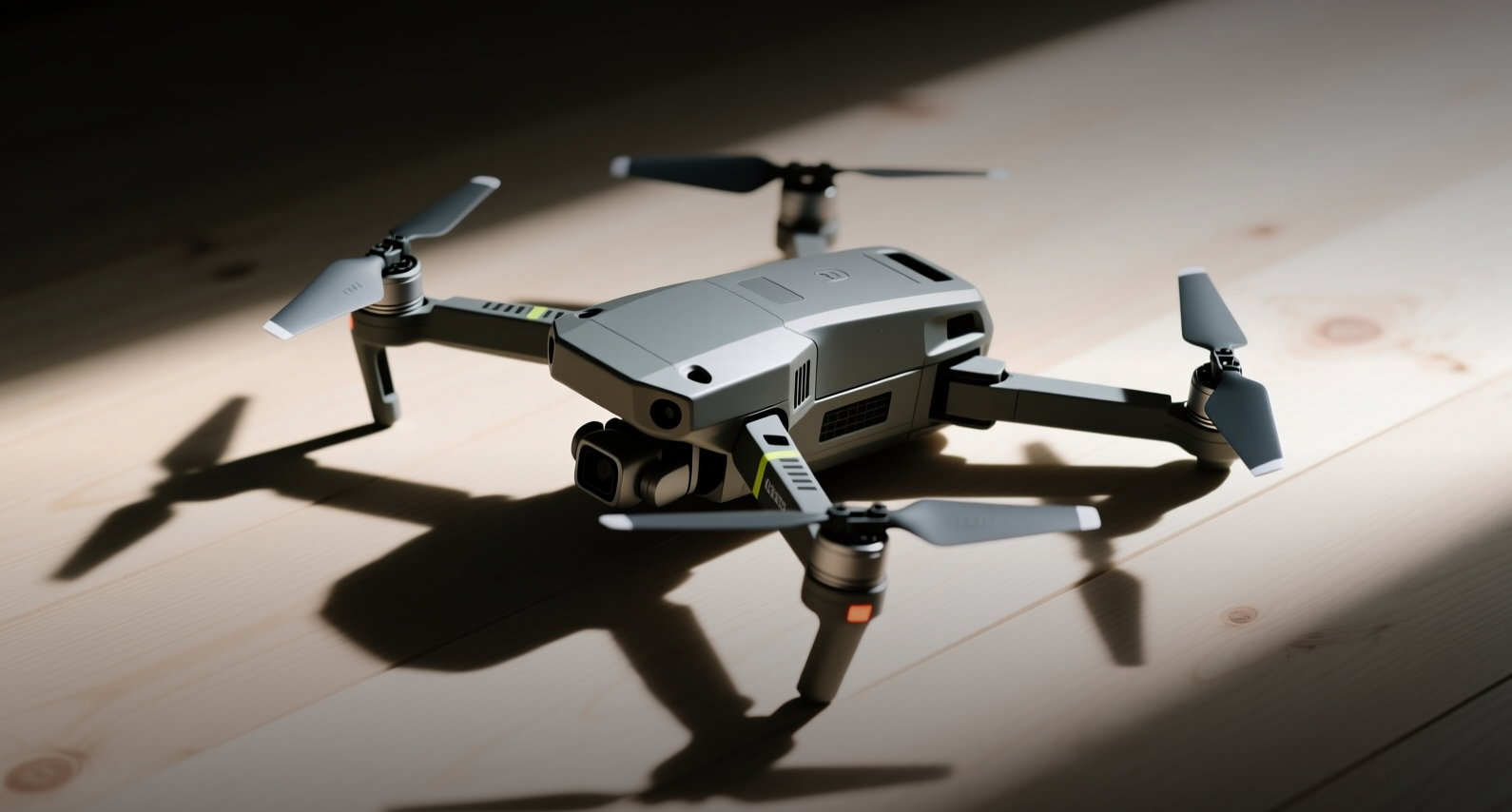
German police defused a drone carrying 800 grams of PETN at Leipzig/Halle Airport on Tuesday night, near two parked Ukrainian Antonov cargo aircraft, Interior Minister Alexander Dobrindt said.
"A drone armed with explosives being present here on an airport grounds is a new threat scenario," Dobrindt told reporters at the airport Wednesday, cutting short his summer vacation. "We are dealing with a hybrid attack scenario."
The drone carried a fist-sized package of PETN and possibly Semtex, with only a failed detonator preventing an explosion, according to German police. A second unidentified object collided with a DHL Boeing 757 that aborted its landing approach as the airport closed, forcing the aircraft to divert to Hanover with minor damage. The airport shut for several hours, diverting 19 flights, according to Flightradar24.
The incident marks an escalation in a pattern of drone incursions across European airports, military bases, and energy facilities since 2024 that Western security officials suspect Moscow orchestrates. Germany has provided about $118 billion in support to Ukraine since Russia's full-scale invasion in 2022, making it the largest single national supplier of military aid.
Prosecutors and antiterrorism police opened an investigation Wednesday into the incident and the second flying object, which authorities suspect may have been another drone. German officials have not officially named a suspect, but Roderich Kiesewetter, a lawmaker on the parliament's intelligence committee, directly blamed Russia for the "attempted act of terrorism." The German Interior Ministry denied media reports that the targeted aircraft were carrying weapons for delivery to Ukraine, describing them as empty at the time.
The drone was modified to evade the airport's counter-drone sensors, Dobrindt said, suggesting a sophisticated operator. A pro-Kremlin propagandist, Alexander Sosnowski, posted a video on Telegram expressing disappointment that the attack failed, according to German tabloid Bild.
The Leipzig incident follows dozens of drone sightings over European airports, military bases, ports, and industrial facilities since 2024. Munich airport closed twice within 24 hours in May following possible drone sightings. Romania shot down three drones that breached its airspace last month, choosing to engage rather than merely track them. A stray Russian missile crashed in eastern Poland last week during an overnight assault on Ukraine.
The 2024 DHL incendiary device incidents — in which parcels containing explosives caught fire at a DHL warehouse in Leipzig and in transit across Europe — were linked by investigators to Russian operatives. The current incident at the same airport raises questions about whether Moscow is escalating from sabotage to direct attacks on aviation infrastructure. Leipzig/Halle is the home base for Ukraine's Antonov Airlines, which operates the world's largest operational cargo aircraft, the Antonov An-124 Ruslan. In 2025, a Chinese national was convicted of collecting information about flight schedules and cargo movements at the airport for Beijing.
The long-promised European Drone Defence Initiative, intended to create a "drone wall" for counter-drone surveillance and defenses, has yet to materialize, said Ulrike Franke, senior policy fellow at the European Council on Foreign Relations. Individual countries such as Poland have built their own national counter-drone systems instead.
Germany opened a new Joint Center for Countering Hybrid Threats in Berlin in June, aiming to centralize detection and response to espionage, sabotage, and state-sponsored terrorism. Germany's top military officer, Gen. Carsten Breuer, has said the country must prepare for outright conflict on or near its soil. Germany has also trained more than 24,000 Ukrainian soldiers and is hosting more than 1 million Ukrainian refugees, while a $100 million deal funded by Berlin is equipping the Ukrainian military with AI-targeting drones.
The incident could accelerate European defense spending on counter-drone technology and aviation security, potentially benefiting defense contractors across the region. Leipzig/Halle is one of Europe's largest air cargo hubs, serving as a base for DHL and Antonov Airlines, and frequently transits shipments for NATO and the German military. Any sustained disruption to its operations would ripple through European supply chains.
This article is for informational purposes only and does not constitute investment advice.
