
Iran's Revolutionary Guards claim a Hormuz revenue-sharing deal with Oman, but a senior source says details remain unresolved as Washington threatens to block any accord.
Iran's Revolutionary Guards claim a Hormuz revenue-sharing deal with Oman, but a senior source says details remain unresolved as Washington threatens to block any accord.
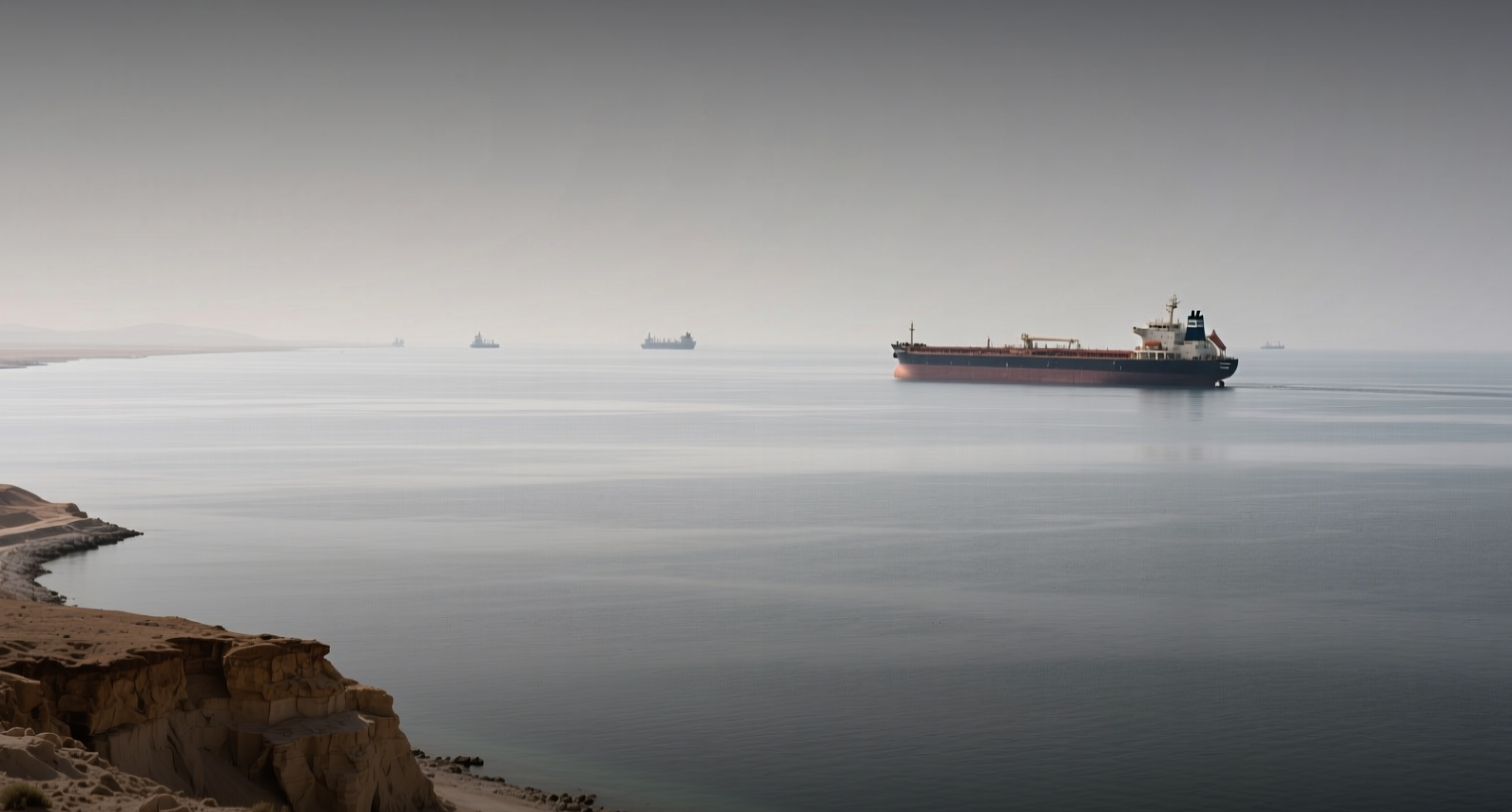
Iran's Revolutionary Guards said Wednesday that Tehran and Muscat reached agreements on sharing the Strait of Hormuz's waters and revenues, even as a senior Iranian source said talks on the accord's details remain ongoing.
"Agreements have been reached regarding the share of each country in the waters of the Strait and the share of Iran and Oman in its revenues," Hossein Mohebbi, spokesperson for the Islamic Revolutionary Guard Corps, said in comments published by Iranian state media.
The IRGC statement goes further than a joint communiqué issued Tuesday by the two foreign ministries, which outlined an interim framework for a temporary navigational corridor and a joint mine-clearance project but stopped short of announcing a final deal. A senior Iranian source told Reuters that "an agreement with Oman over the Strait of Hormuz has not been finalised," with technical negotiations continuing.
The waterway carried one-fifth of global oil and liquefied natural gas shipments before the war began Feb. 28 with U.S. and Israeli strikes on Iran. Most shipping has since been shut down, driving energy prices higher, and any agreement — or its collapse — will determine whether crude flows resume and at what risk premium.
The proposed framework would route inbound traffic from the Gulf of Oman into the Persian Gulf through Iranian territory, while outbound traffic would pass partly through Iranian and partly through Omani waters, according to the joint statement. Iranian Deputy Foreign Minister Kazem Gharibabadi said the two countries would continue talks over the coming months to reach a permanent navigational arrangement.
Omani Foreign Minister Sayyid Badr bin Hamad al-Busaidi said he was "hopeful we will soon announce a temporary corridor for the Strait of Hormuz and practical arrangements to restore safe navigation."
Iran has insisted the waterway will not fully reopen unless the U.S. complies with terms of a memorandum of understanding signed in June — including lifting the naval blockade on Iranian ports, removing sanctions barring oil sales at market prices, and unfreezing Iranian assets abroad. None of those conditions have been met, and the 60-day interim deal lapsed earlier this month after repeated breaches.
President Donald Trump has warned Oman against cooperating with Tehran, telling Fox News on Aug. 17: "If Oman gets in the way, we'll bomb the shit out of them." The IRGC accused Washington of obstructing the negotiations, with Mohebbi saying "if the United States stops obstructing and returns to the agreement, we can open the Strait of Hormuz within the framework of the agreement reached."
Oil prices fell for a third day, dropping more than 1.5 percent, following signs of renewed diplomatic efforts. Secretary of State Marco Rubio told allies the U.S. does not expect to launch new strikes against Iran for now, instead focusing on other pressure tools, Axios reported Tuesday.
Iran announced a blacklist Sunday of 45 ships in an apparent effort to halt ship-to-ship transfers used by Gulf energy producers to evade the blockade. At least three Indian oil refiners and a global energy major plan to stop using vessels on the list, sources said.
The last time the strait faced a comparable closure threat was during the 2019 tanker attacks, when Brent crude spiked roughly 20 percent within two weeks before stabilizing as tensions eased. Current market pricing suggests traders are betting on a negotiated reopening rather than a prolonged shutdown, with Brent falling despite the unresolved status of the talks.
Pakistan's army chief Asim Munir and Interior Minister Mohsin Naqvi met with Iranian officials in Tehran as part of Islamabad's mediation efforts, with Naqvi writing on X that "significant progress was made" toward ending the conflict approaching its seventh month.
Trump said Tuesday that "every square inch" of the strait has been de-mined and that the U.S. Space Force is monitoring the waterway for new explosives, adding there is a "zero tolerance policy on mine placement."
U.S. public approval of the war has fallen to its lowest level since the conflict's early days, and Trump's popularity is at a record low ahead of congressional elections in November, according to Reuters/Ipsos polling. Thousands of people have died in the conflict, most of them in Iran and Lebanon.
This article is for informational purposes only and does not constitute investment advice.
