

Intel's move to lift PC CPU prices by 10 percent drove its shares more than 5 percent higher before the open, as investors wagered on fatter margins.
Intel's move to lift PC CPU prices by 10 percent drove its shares more than 5 percent higher before the open, as investors wagered on fatter margins.
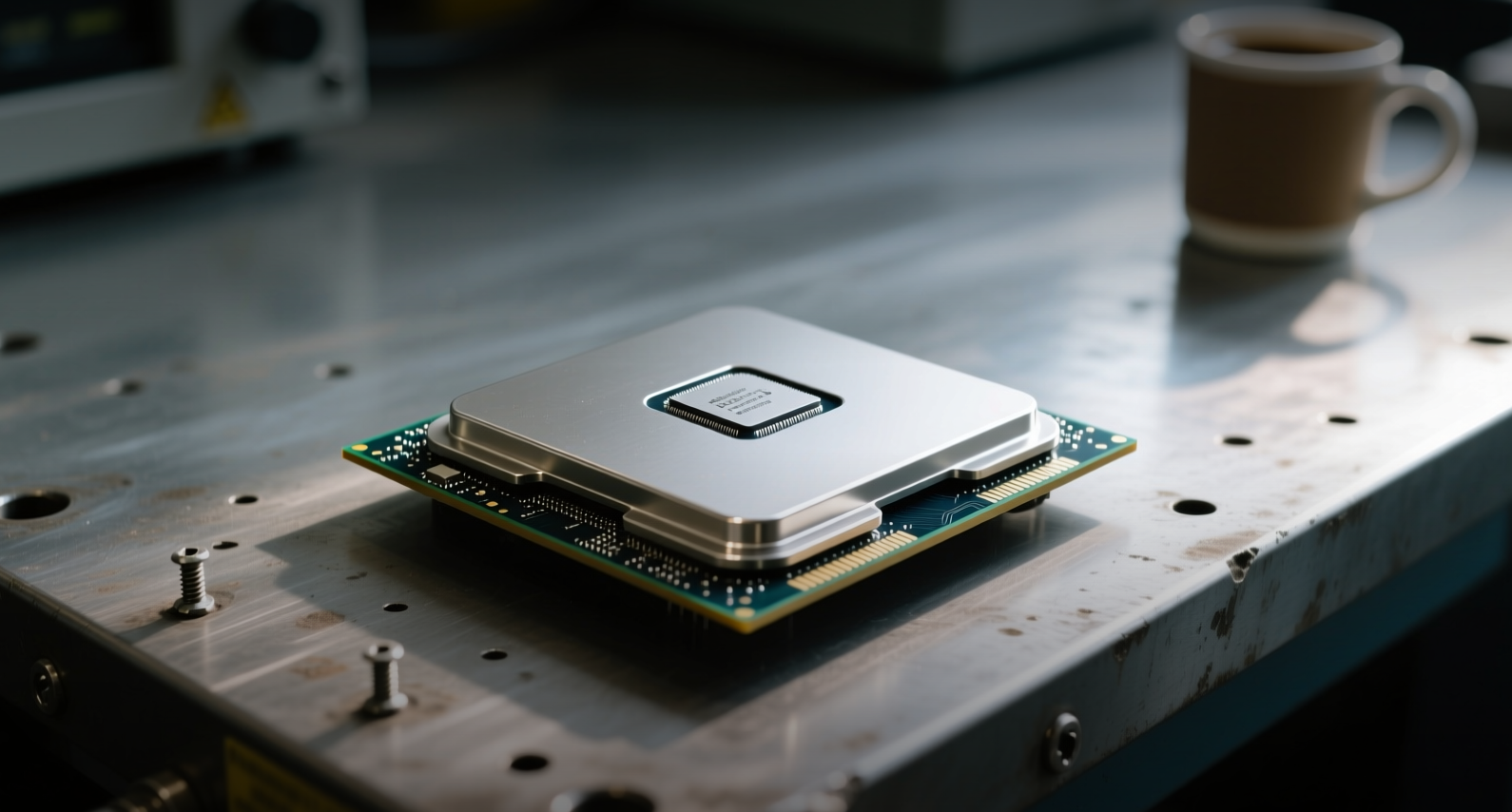
Intel's 10 percent PC CPU price increase gives the chipmaker room to widen margins long squeezed by AMD, and investors pushed shares up more than 5 percent in pre-market trading Sept. 8 after the company announced the move.
The increase supports the margin thesis Intel has built around data center and AI CPU demand, Dhierin Bechai, an Investing Group Leader at Seeking Alpha, wrote, holding a $113.33 price target that implies roughly 18 percent upside.
Intel's client computing group, which sells the Core processors inside most Windows laptops and desktops, has faced persistent pricing pressure as AMD grabbed share across the x86 market. The 10 percent hike, applied to PC CPUs, is one of the chipmaker's more aggressive pricing moves in years and arrives as it works through a costly turnaround. Intel raised $23 billion in an upsized equity offering to fund advanced process nodes, including 14A and 18A-P, and its foundry push against TSMC, while free cash flow is expected to stay negative for two years.
If Intel holds the increase, added revenue could flow to the bottom line in a segment that has weighed on overall profitability. The stock, which traded near a 52-week high of $142.35 before retreating, has climbed on the pricing news, though AMD's response and PC demand will decide whether the hike sticks.
Can Intel hold the line against AMD?
Raising prices rather than chasing volume marks a shift for a company that spent years discounting to defend share. A 10 percent uplift on CPUs would add hundreds of millions of dollars in annual revenue if volumes hold, giving analysts a concrete number to model into client-segment margins. Northland Securities upgraded the stock around the same time, according to a report flagged on Seeking Alpha, adding to the bullish tone.
The hike carries risk. AMD, which has matched Intel on performance per watt in recent generations, could undercut on price to win the OEM contracts that drive volume shipments. A PC market that has only recently stabilized after a post-pandemic slump may not absorb higher prices without denting unit demand. Intel's foundry customers, meanwhile, are watching whether the company can keep its own product pricing competitive while it courts outside chip orders against TSMC.
For investors, the question is whether the rally has priced in the margin gain. Intel carries a market value of roughly $503 billion and trades at a forward price-to-earnings multiple near 63, a premium that already reflects optimism about the turnaround. The 10 percent increase, if it survives competitive pressure, is the clearest sign yet that Intel believes it can charge more for the chips it sells, and the strongest near-term lever for the margin expansion its recovery depends on.
This article is for informational purposes only and does not constitute investment advice.
