


Key Takeaways: More than half of US adults are more concerned than excited about AI, and the backlash is reshaping the 2026 midterm elections.
Key Takeaways: More than half of US adults are more concerned than excited about AI, and the backlash is reshaping the 2026 midterm elections.
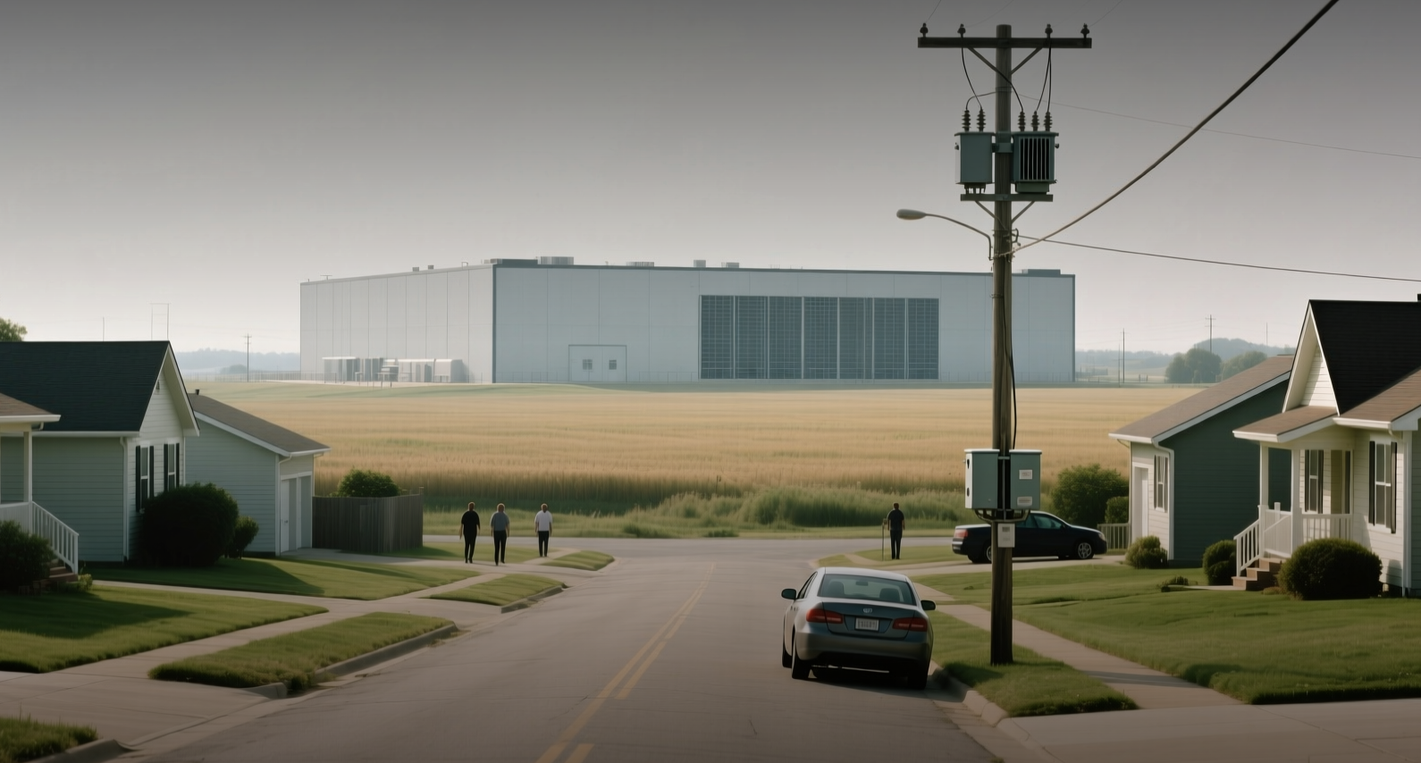
More than half of US adults are more concerned than excited about AI's growing role in daily life, a Pew Research Center report shows, and the backlash is reshaping the 2026 midterm elections around data center construction.
"Data centers have become a convenient proxy for major debates regarding the future," Nicol Turner Lee, director of the Center for Technology Innovation at the Brookings Institution, said.
A Reuters/Ipsos survey found 64 percent of respondents do not think it is a good thing to build data centers at a rapid rate, with 77 percent worried the facilities will raise their electricity bills. Only 14 percent said they would be willing to live near one. The shift is stark: a Heatmap poll in September 2025 showed the public evenly split, with 44 percent supporting construction and 42 percent opposed.
The political fallout is hitting hyperscalers that have committed hundreds of billions of dollars to AI infrastructure. Amazon, Microsoft and Google parent Alphabet have all tied their growth to data center expansion, and a slowdown in permitting could challenge the business models underpinning recent stock market gains.
Politicians on both sides pivot against data centers
A Washington Post analysis of online posts from 2024 to 2026 found political aspirants shifted from mostly positive to significantly negative comments about data centers, with Republicans more negative than Democrats. In Ohio, Democratic Senate candidate Sherrod Brown is running an ad calling incumbent Sen. Jon Husted the "face of data centers." In Texas, Democrat Gina Hinojosa has attacked Gov. Greg Abbott as too sympathetic to the industry, prompting Abbott to endorse an audit of data center development. Pennsylvania Gov. Josh Shapiro signed an executive order imposing new rules on data center authorization after his Republican opponent criticized him as too favorable to tech firms.
The shift extends to the federal level. President Donald Trump has taken the opposite stance, telling an interviewer that "communities that don't take a data center, they're making a mistake," while the Environmental Protection Agency is taking steps to limit public input on new projects. Trump's position is disconnected from the national mood, including among his own base: support for data centers among self-identified MAGA voters is collapsing, according to a Politico poll.
Moratoriums spread as local opposition grows
New York has launched the first statewide moratorium on new hyperscale data centers, and dozens of communities in North Carolina have imposed their own pauses. In the state's Senate race, both candidates are on the defensive: Democrat Roy Cooper faces criticism over tax breaks granted during his governorship, while Republican Michael Whatley has called the opposition "ginned up." The state's Department of Commerce issued 37 eligibility determinations for data center tax breaks from 2015 to 2025.
The concerns are grounded in real costs. Data centers consume large amounts of water and electricity, and residents in rural and urban communities alike complain about noise, land use and environmental degradation. The facilities also create relatively few permanent jobs, undercutting the economic-development pitch that once won over local officials.
The stakes extend beyond politics. Turner Lee and Brookings colleague Darrell West warn that a slowdown in the data center buildout could dramatically affect the business models of tech firms that have invested hundreds of billions in AI development. Since much of recent stock market gains depend on the valuations of a few large tech firms, the shift in public opinion could have broad ramifications for the economy. For hyperscalers, the risk is that permitting delays and moratoriums stretch out capital expenditure timelines, pushing back the revenue those facilities are expected to generate.
This article is for informational purposes only and does not constitute investment advice.
