


China's NEV share topped 60 percent in July for the first time as global EV growth shifts to Europe and emerging markets.
China's NEV share topped 60 percent in July for the first time as global EV growth shifts to Europe and emerging markets.
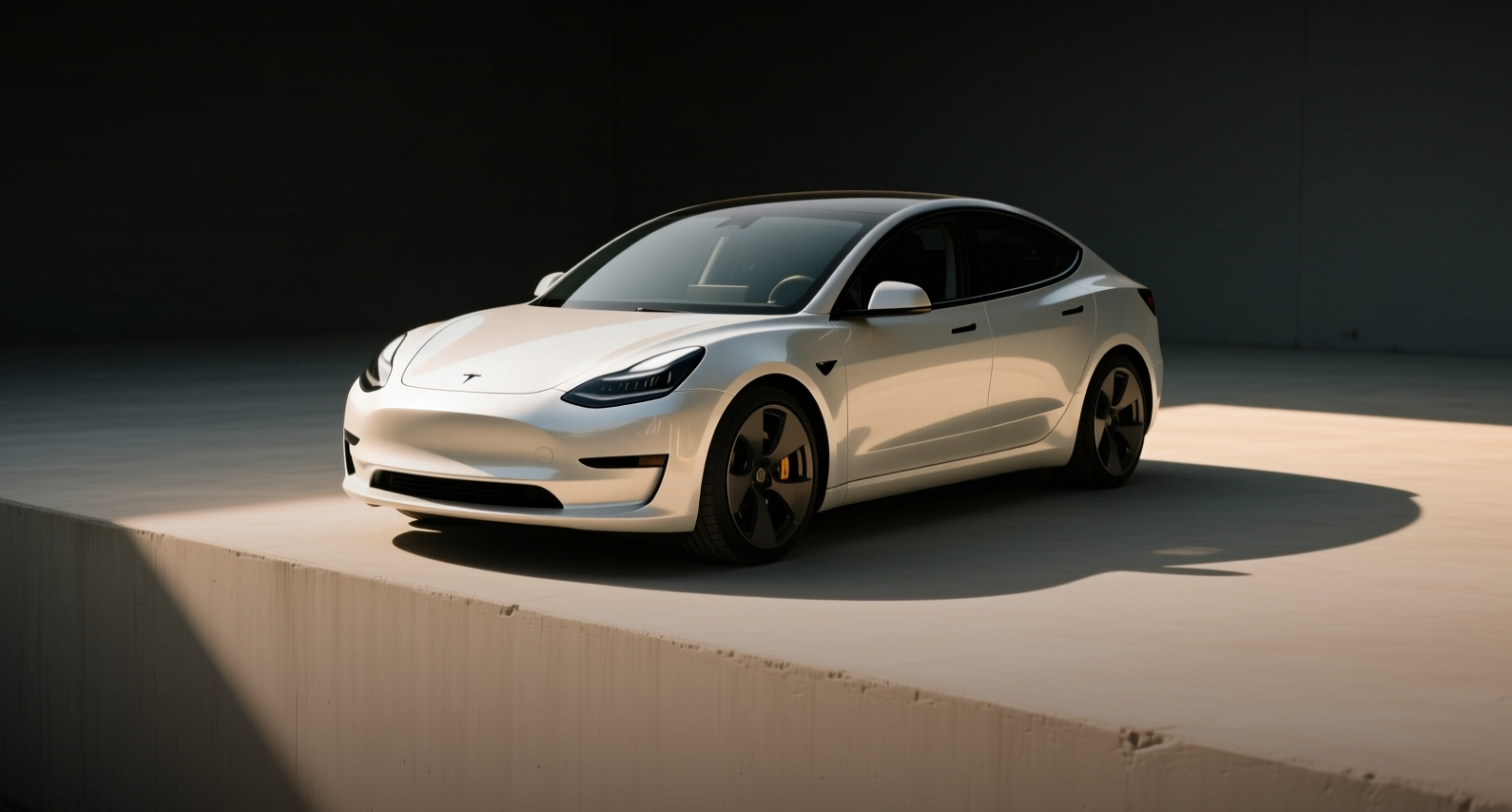
China's new energy vehicle monthly sales share surpassed 60 percent for the first time in July, with cumulative share crossing 50 percent, according to data released Aug. 12 by the China Association of Automobile Manufacturers. NEV production and sales reached 1.576 million and 1.561 million units in July, up 26.8 percent and 23.7 percent year-on-year respectively, while pure electric vehicle production and sales both exceeded 1 million units with growth above 30 percent.
The milestone comes as the global EV market enters a low-growth phase. Worldwide NEV deliveries totaled 9.906 million units in the first half of 2026, up just 5.5 percent year-on-year, according to SNE Research. China delivered 5.308 million units, down 9.5 percent, while North America fell 20.5 percent to 681,000 units. Europe grew 29 percent to 2.528 million units, Asia excluding China surged 75.8 percent to 933,000 units, and other markets jumped 150.6 percent to 456,000 units.
The divergence reflects a fundamental pricing gap. China's sales-weighted average price for pure electric vehicles was $24,000 in 2025, 20 percent below the $30,000 average for fuel vehicles, according to IEA data. In the United States, the average BEV price of $57,000 remains 27 percent higher than fuel vehicles. Nearly 70 percent of pure electric vehicles sold in China in 2025 were priced below comparable fuel vehicles after subsidies, versus less than 20 percent in the United States.
China's policy support has been narrowing since the start of 2026. The purchase tax on NEVs changed from full exemption to 50 percent reduction, the trade-in subsidy shifted from fixed amounts to price-proportional calculations, and vehicle and vessel tax preferences will be canceled from January 2027. Lithium-ion battery consumption tax will rise from 2 percent to 4 percent by September 2027.
Despite these headwinds, NEV retail penetration reached a record 65.1 percent in July, up 11.6 percentage points year-on-year, according to CPCA data. Retail sales of pure gasoline vehicles collapsed 44 percent year-on-year, while BEV retail sales rose 6 percent to 647,000 units. NEV exports surged 147.8 percent year-on-year to 540,000 units in July, accounting for 58.8 percent of total passenger vehicle exports.
The United States tells a different story. After federal tax credits expired in September 2025 and CAFE compliance penalties were eliminated, US EV sales plunged 45 percent in Q4 2025 and fell another third in Q1 2026. Second-quarter sales recovered to 275,000 units, up 20 percent from Q1, but remained about 25 percent below the same period in 2025. US EV penetration averaged about 7 percent in H1 2026, down from 10 percent in 2025.
Chinese automakers are capturing the growth in markets where policy and price dynamics favor electrification. In Europe, BYD, SAIC Motor, Geely, Chery and Leapmotor registered 435,900 units in Q2 2026, up 71.8 percent year-on-year, surpassing Japanese brands on a quarterly basis for the first time with an 11.7 percent market share, according to ACEA data.
Germany restarted purchase subsidies for low- and middle-income families in early 2026, with maximum subsidies reaching 6,000 euros for pure electric models. UK Q1 sales grew 25 percent, while Italy surged nearly 90 percent. The IEA projects global EV sales of about 23 million units in 2026, with growth concentrated in Europe, Latin America, India and Southeast Asia.
For investors, the shift has clear implications. BYD led July domestic NEV retail with 223,461 units, followed by Geely at 105,526 and Leapmotor at 83,698. Chinese EV startups accounted for 26.8 percent of retail sales, up 5.4 percentage points year-on-year. The battery supply chain is also rebalancing — non-China power battery installations grew 26.3 percent in H1 2026, but Korean battery makers LG Energy Solution, SK On and Samsung SDI saw combined share drop from 37.2 percent to 27.6 percent, largely due to US market weakness.
This article is for informational purposes only and does not constitute investment advice.
