


Apple's hybrid AI approach and incoming CEO John Ternus give it the edge over Nvidia in the race to become the world's most valuable company by year-end.
Apple's hybrid AI approach and incoming CEO John Ternus give it the edge over Nvidia in the race to become the world's most valuable company by year-end.
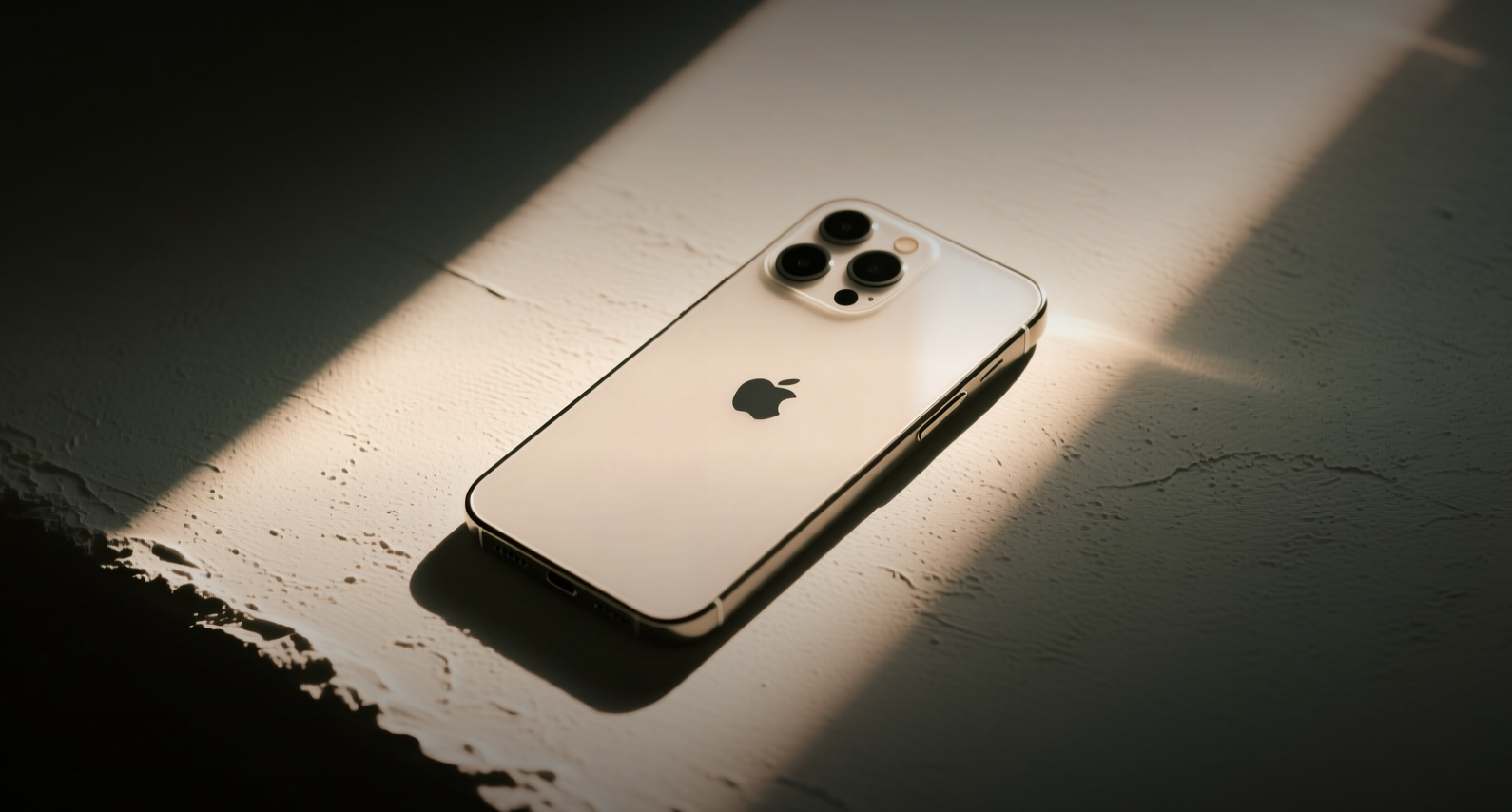
Apple's hybrid AI approach and incoming CEO John Ternus give it the edge over Nvidia in the race to become the world's most valuable company by year-end.
Apple overtook Nvidia for the world's largest market capitalization this week, with both companies trading above $4.8 trillion as investors weigh competing approaches to artificial intelligence monetization. The two stocks have alternated the top spot in recent weeks, with Nvidia reclaiming the lead after a semiconductor rebound before Apple retook the position.
"Apple's customer-first AI approach monetizes the revolution without the reckless capital spend burdening hyperscalers," said Joey Frenette, investment writer at 24/7 Wall St. "As long as they start with the customer, Apple might be the firm that ultimately wins the AI race."
Apple trades at 40.3 times trailing earnings, a premium that reflects its ability to participate in AI without the massive data center buildout weighing on peers. The company's hybrid AI strategy combines on-device processing with cloud-based inference, reducing token costs while preserving user privacy. Nvidia, meanwhile, faces headwinds from a semiconductor selloff that has pressured chip stocks in recent weeks, with the PHLX Semiconductor Index declining as hyperscaler capital expenditure concerns mount.
The market cap race carries implications for index weighting and sector rotation heading into 2027. Apple's incoming CEO transition — Tim Cook handing the reins to hardware chief John Ternus in September — introduces leadership uncertainty but also potential for product-driven growth. Ternus, a product specialist, could accelerate Apple's push into AI-powered devices at a time when the company is launching its "Apple Upgrade" device leasing program, designed to smooth consumer upgrade costs amid rising memory chip prices.
Why Apple's AI strategy differs from Nvidia's
Apple's approach to AI stands in contrast to the hyperscaler model embraced by Microsoft, Amazon and Alphabet, which have committed tens of billions in capital expenditure to build out data center infrastructure. Apple has avoided taking on significant debt for AI infrastructure, instead relying on a combination of partnerships and its own chip design capabilities. The company's M-series processors, built on TSMC's advanced nodes, provide the on-device compute power needed for local AI inference.
The strategy appears to be resonating with investors who have grown cautious about the returns on massive AI spending. The Invesco QQQ Trust, which tracks the Nasdaq 100, trades at 34 times earnings and 10 times book value, levels that some analysts consider elevated given free cash flow pressures among its top holdings.
iOS 27 and the supercycle potential
Apple's upcoming iOS 27 release, expected alongside new hardware in 2027, could represent the most significant platform shift in the company's history, according to analysts. The integration of Siri AI across the device ecosystem, combined with the "Apple Upgrade" program, creates conditions for a supercycle that could drive revenue growth well above current consensus estimates.
Nvidia's Vera Rubin platform ramp remains on track, with the next-generation architecture expected to drive continued growth in data center revenue. However, the cyclical nature of semiconductor demand and the risk of further sector-wide selling pressure present downside risks that Apple's consumer-facing business model does not share.
This article is for informational purposes only and does not constitute investment advice.
