


Key Takeaways:
- Nitrogen fertilizer prices up 40-50% since Hormuz closure
- About 30% of global fertilizer trade transits the strait
- China's demand cut is the overlooked risk to the rally
Key Takeaways:
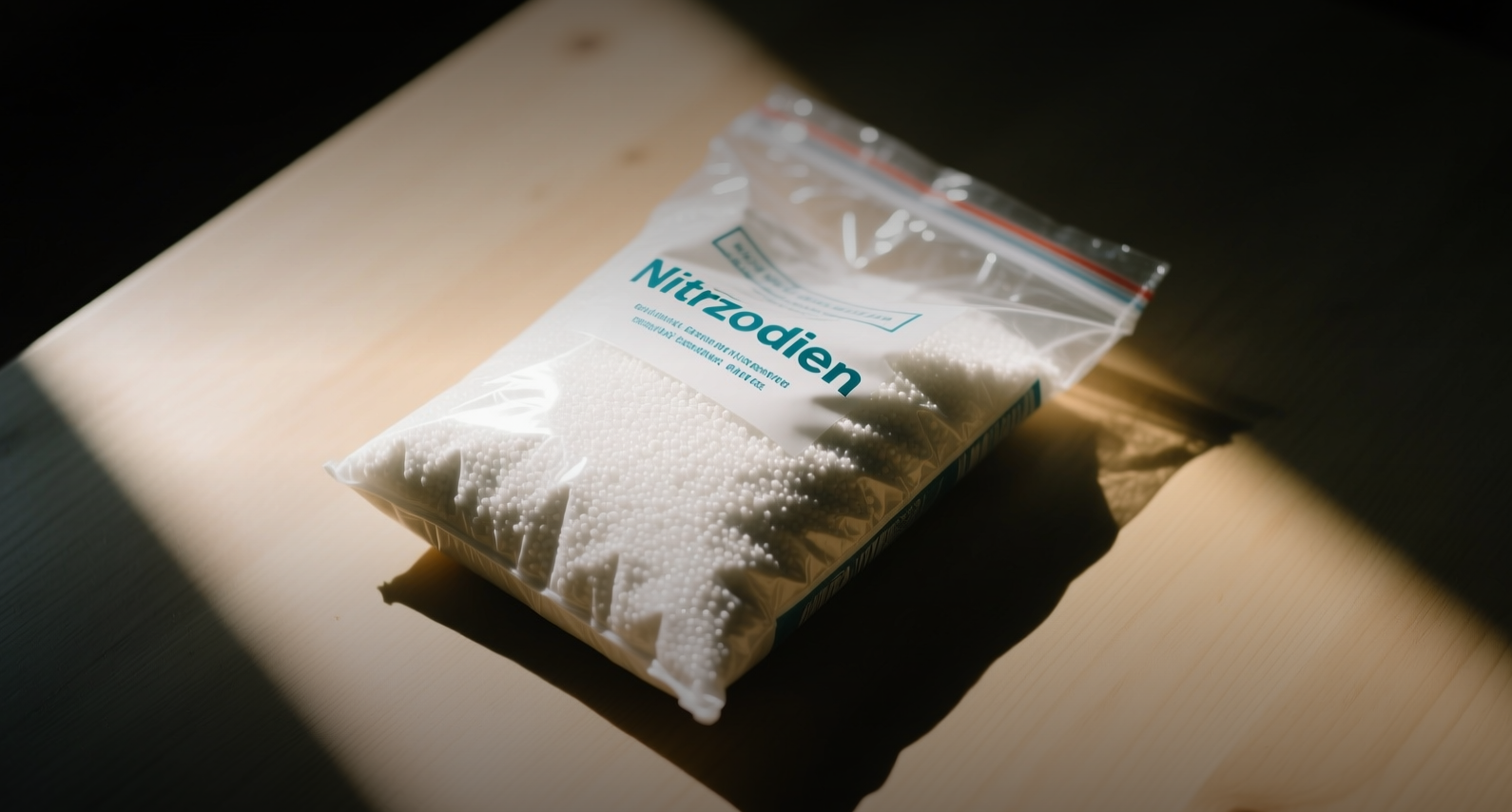
Nitrogen fertilizer prices rose 40-50% and phosphate 20-30% after Iran's closure of the Strait of Hormuz, sending fertilizer stocks higher as investors bet on scarcity.
"The Middle East is so central. Twenty percent of the world's oil and liquefied natural gas flows through the Strait of Hormuz," Daniel Yergin, vice chairman of S&P Global, said. "It turns out it's not just an energy crisis — it also involves helium, fertilizer, the products that will not be made because of the crisis, and agriculture."
About 30% of global fertilizer trade transits the strait, including close to 40% of urea, 30% of ammonia, 26% of diammonium phosphate, 13% of monoammonium phosphate and up to 50% of sulfur, according to the American Enterprise Institute. Sulfuric acid is essential for making phosphoric acid, the key component of phosphate fertilizers, while ammonia feeds nitrogen fertilizer production.
The overlooked risk is China. Beijing cut crude imports by about 5 million barrels a day, drawing on an estimated 1.5 billion to 2 billion barrels of strategic stocks, Yergin said. A similar pullback in fertilizer demand would blunt the price gains that have lifted fertilizer producers.
China's crude demand ran around 16 million to 17 million barrels a day before the war, with imports near 12 million barrels daily. The reduction relieved pressure that might otherwise have pushed oil to $150-$200 a barrel, Yergin said. Fertilizer demand tracks the same agricultural cycle, and a Chinese slowdown would ripple through urea and phosphate markets that depend on Asian buyers.
The price surge is already squeezing food systems. Nigeria, which imports refined fuel, potash and phosphate, faces rising transport and production costs that threaten to reverse recent declines in food inflation, according to AEI. In the United States, about 70% of the cost of food on the table is energy costs, from fertilizer to diesel to transport, Yergin said.
Brent crude peaked above $138 a barrel after tanker traffic through Hormuz fell 70%, before settling near $100. The International Energy Agency coordinated a 400-million-barrel emergency release in March, the largest in its history, but it failed to keep prices below $100 because the physical supply gap was too large.
Fertilizer producers have captured the windfall. Exxon Mobil's second-quarter profit doubled to $14.53 billion on record diesel production, while Chevron's nearly quadrupled to $12.07 billion. Six of Europe's largest oil companies posted combined first-quarter profits of $22 billion, up more than 40% from a year earlier.
The next catalyst is the northern hemisphere planting season, when fertilizer demand peaks. If China's import cuts persist, the supply shock that lifted fertilizer stocks could reverse as demand falters.
This article is for informational purposes only and does not constitute investment advice.
