
Iran's decision to allow vessels through the Strait of Hormuz on a "limited basis" marks the first meaningful reopening of the world's most critical oil chokepoint since the US-Israel-Iran war began in February.
Iran's decision to allow vessels through the Strait of Hormuz on a "limited basis" marks the first meaningful reopening of the world's most critical oil chokepoint since the US-Israel-Iran war began in February.
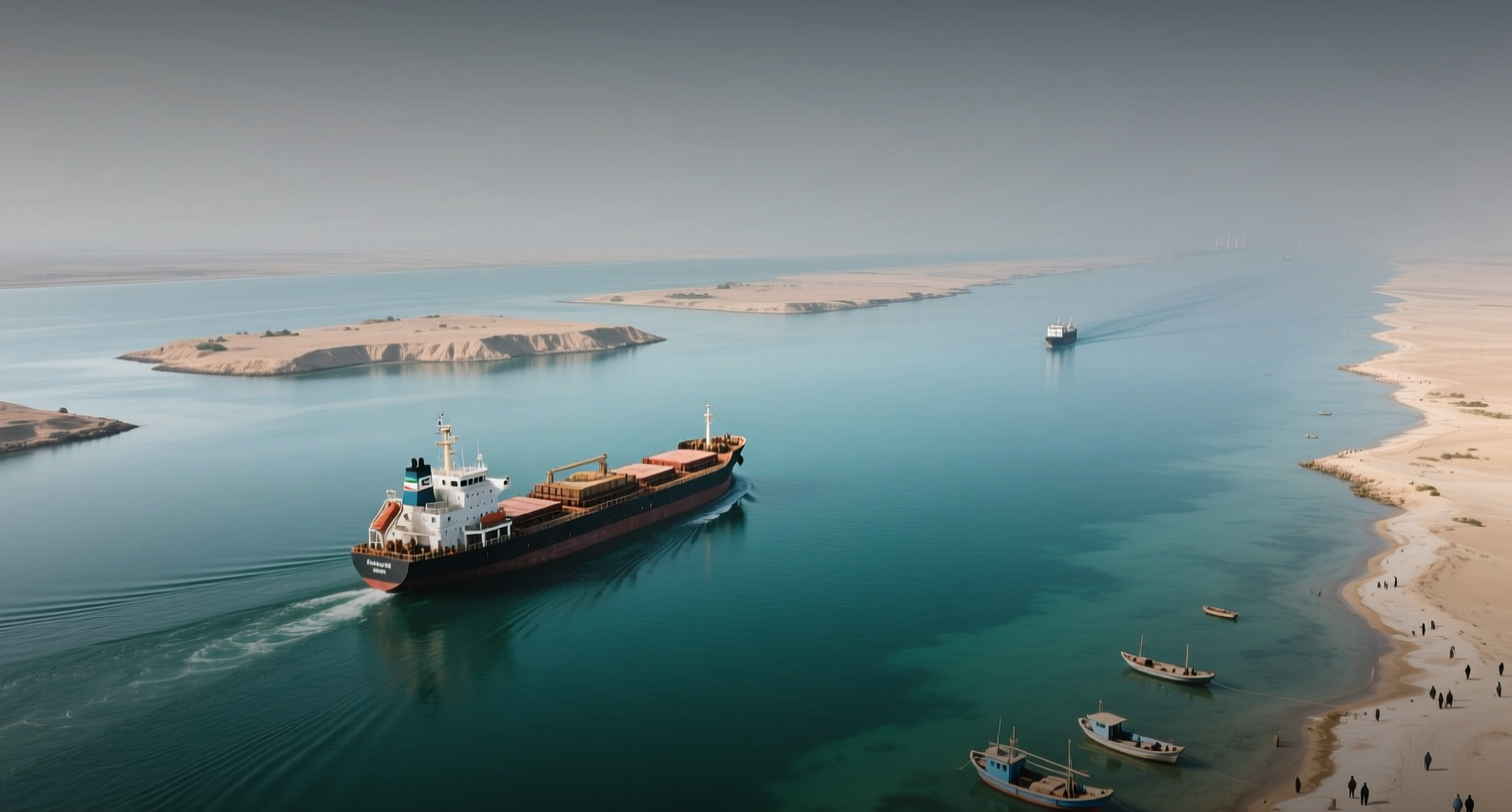
Iran said vessels may transit the Strait of Hormuz waterway on its side on a "limited basis," according to state news agency MEHR, a partial reopening of a chokepoint that carried about 20 million barrels of crude daily before traffic collapsed 95 percent.
"Any resumption, even limited, is meaningful because there is no alternative maritime route," said Richard Matthews, director of consultancy and research at Gibson Shipbrokers in London. "The question is whether this is a genuine easing or a tactical move."
Traffic through the 33-kilometer strait has averaged about five vessels a day since mid-July, down from more than 100 before the war, according to UNCTAD and Kpler data. Gulf crude exports have fallen 47 percent to roughly nine million barrels a day, with direct strait transits at just 2.2 million bpd. Brent crude traded at $89.45 a barrel Friday, down 5.3 percent on the week, while WTI slipped to $83.31.
A sustained reopening would ease the supply shock that has kept oil prices about 20 percent above pre-war levels, but the "limited basis" qualifier leaves the market exposed to renewed disruption. Analysts estimate five to seven million barrels of Gulf oil a day remain disrupted, and inventories that cushioned the initial shock have been drawn down.
The announcement follows months of near-total closure. After US and Israeli strikes on Iran on Feb. 28, the Islamic Revolutionary Guard Corps declared the strait closed on March 2, and traffic fell to about five vessels a day. A June 17 interim agreement lifted the daily average to 20 — still one-fifth of normal — before the US resumed its naval blockade of Iranian ports on July 14, sending traffic back to five per day.
Iran and Oman have since agreed to temporary shipping routes through their respective territorial waters, with Iranian authorities insisting vessels use the northern route along its coastline near Larak and Qeshm islands. The US military blockade, in place since April, has sought to stop roughly two million barrels of Iranian oil from reaching world markets.
The partial reopening comes as oil prices have already retreated from April highs above $130 a barrel. Brent has fallen about 30 percent from that peak, though it remains roughly 20 percent above pre-war levels. The last comparable disruption — the 2019 tanker attacks near the strait — saw prices spike for a few weeks before retreating, but the current closure has lasted far longer.
The supply impact has been uneven across producers. Saudi Arabia has weathered the disruption better than its neighbors, with port calls down just 15 percent thanks to its East-West pipeline network and Red Sea access. Kuwait has been hit hardest, with daily port calls down 86 percent, while the UAE, Qatar, Iraq and Bahrain have seen declines of 66 to 69 percent.
Countries most exposed to Gulf oil include Eritrea and Madagascar, each sourcing about 90 percent of their crude from the region, followed by Pakistan at 78 percent, Japan at 77 percent and Kenya at 77 percent. For these importers, even a limited reopening could provide meaningful relief on shipping costs and insurance premiums, which have surged since the conflict began.
The key question is whether the limited reopening reflects a genuine de-escalation or a tactical adjustment. The UN has warned against further escalation, with Secretary-General Antonio Guterres expressing concern about "any new measures, any additional rhetoric" that could worsen the situation. Iran's IRGC Navy has simultaneously rejected US claims that the strait is open, saying vessels cannot pass without Tehran's permission.
For energy markets, the next six months could prove decisive. Matthews noted that pre-war inventory builds provided a buffer that has now been largely consumed. "We're now at the stage where the next six months could look much more volatile and critical in terms of inventories if things don't change soon," he said.
If the limited reopening expands into sustained traffic, Brent could test the low-$80s range. If it proves temporary, the market faces renewed supply risk with thinner inventories than at any point since the war began.
This article is for informational purposes only and does not constitute investment advice.
