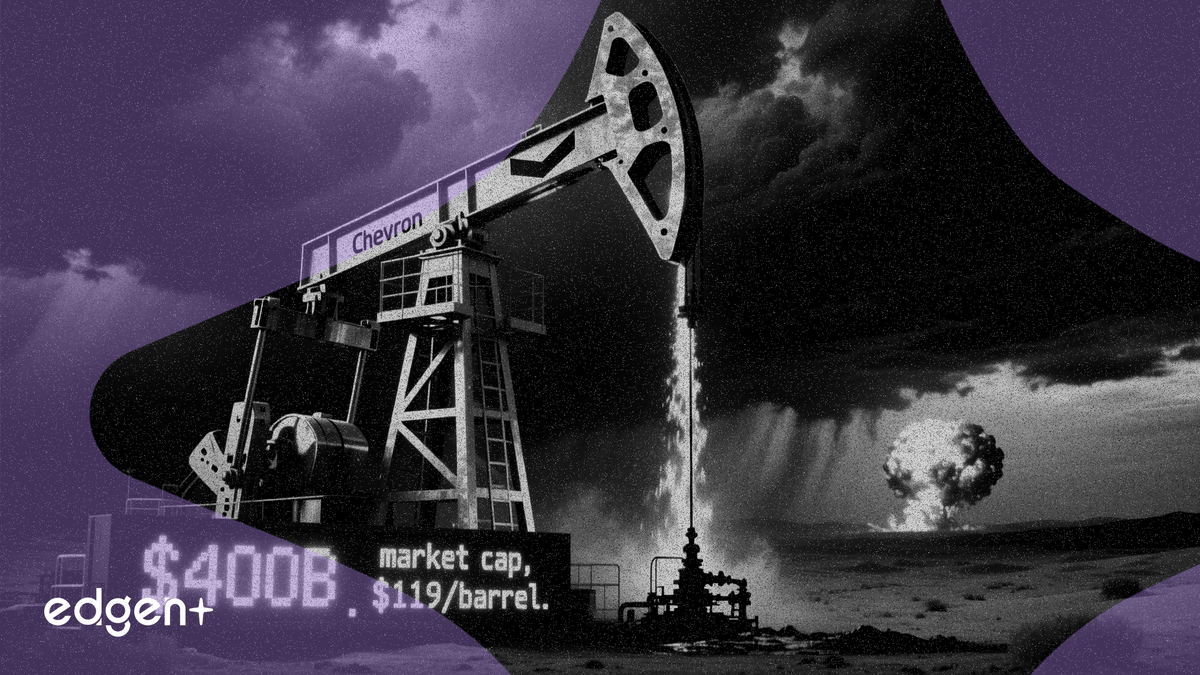
Middle East Strikes Push Brent Crude to $119 a Barrel
Global energy prices escalated sharply after retaliatory strikes between Iran and Israel hit critical energy infrastructure. The conflict, which began on February 28, intensified with attacks on Iran's South Pars gasfield and Qatar's Ras Laffan, one of the world's largest liquefied natural gas (LNG) export facilities. The market response was immediate, with Brent crude oil prices rising over 10% to hit $119 a barrel before settling near $110. European natural gas prices also spiked, with UK wholesale prices climbing 23% to 172p a therm, the highest level since August 2022.
The damage to supply lines is significant. QatarEnergy, the state-owned operator, reported that the attacks will cut its LNG production by 12.8 million tons per year for an estimated three to five years, removing a substantial volume from the global market. The disruption has triggered warnings that oil could reach $150 a barrel, creating sustained price pressure for the global economy.
Chevron Valuation Exceeds $400B on Energy Price Surge
The sustained increase in oil and gas prices has directly boosted the valuations of major energy producers. On March 20, 2026, Chevron's (CVX) market capitalization swelled to over $400 billion, elevating the company into the top 20 most valuable corporations in the United States. This milestone reflects investor confidence that prolonged supply constraints will lead to higher sustained profitability for integrated oil and gas companies.
The move into Chevron and other energy stocks highlights a broader market rotation into sectors that benefit from inflationary pressures and commodity price increases. As the conflict disrupts supply chains, companies with significant production assets like Chevron are seen as primary financial beneficiaries of the heightened market turmoil.
Global Stocks Tumble as Inflation Fears Resurface
While energy stocks climbed, broader equity markets fell as the spike in fuel costs renewed fears of persistent inflation. The FTSE 100 closed down 2.4% at 10,049, while markets in Paris and Frankfurt recorded similar declines of over 2%. In Asia, Japan's Nikkei index dropped 3.4% as investors priced in the negative economic impact of a prolonged conflict. The sell-off reflects concerns that higher energy prices will force central banks to delay anticipated interest rate cuts or even resume hiking rates to control inflation. This sentiment was also visible in bond markets, where yields on two-year UK gilts saw their largest daily increase since 2022, signaling worries over future economic turbulence.
 Edgen Stock·Mar 20 2026, 14:43