
Prime Minister Takaichi's fiscal expansion is deepening the yen's slide, with the currency down 60% since early 2021.
Prime Minister Takaichi's fiscal expansion is deepening the yen's slide, with the currency down 60% since early 2021.
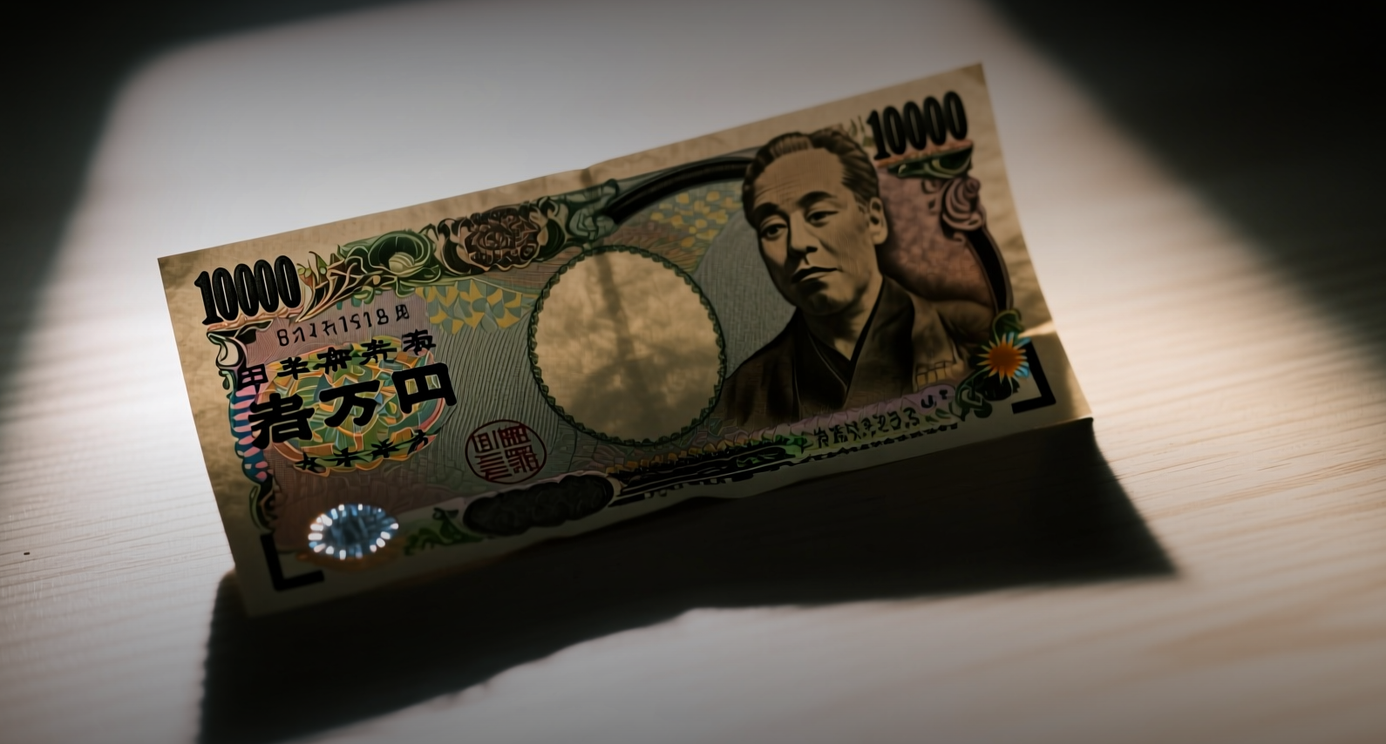
Prime Minister Takaichi's fiscal expansion is deepening the yen's slide, with the currency down 60% since early 2021.
The yen's 60% decline since early 2021 is accelerating as Prime Minister Takaichi's spending increases and tax cuts prevent the Bank of Japan from tightening policy enough to stem the currency's slide.
"Fiscal expansion without corresponding monetary tightening creates a policy mix that inevitably weakens the currency," said Tsutomu Watanabe, an economics professor at the University of Tokyo and a former Bank of Japan official who left the central bank in 1999.
The yen traded at 162.36 per dollar on Wednesday, down 3% this year and 60% from early 2021 levels. The BoJ's benchmark rate stands at 1% after recent hikes, while the 10-year Japanese government bond yield hovers above 2.8%, the highest in at least three decades, according to TradingView data. Watanabe warned the central bank may raise rates rapidly this year, potentially pushing borrowing costs above 2%.
The policy divergence between Takaichi's expansionary fiscal stance and the BoJ's gradual tightening leaves the yen vulnerable to further declines. A weaker yen boosts exporters but raises import costs, squeezing Japanese households and small businesses. If the currency continues to slide, the BoJ may face pressure to accelerate rate hikes, which could destabilize Japan's fragile fiscal position — public debt exceeds 250% of GDP — and trigger volatility in global bond markets.
Takaichi has continued to advocate for spending increases and tax cuts even as the yen weakens, arguing that domestic demand stimulation will eventually support growth. The approach contrasts with the BoJ's cautious normalization, which has lifted rates from negative territory to 1% but remains far below the pace needed to attract yield-seeking capital. The interest rate differential between Japan and the U.S. remains wide, with the Federal Reserve's benchmark at 5.25% to 5.50%, sustaining the carry trade that has driven the yen lower.
The last time the yen traded near these levels was in the 1980s, before the Plaza Accord. Since early 2021, the currency has lost more than half its value against the dollar, a decline that exceeds the depreciation seen during the 1997 Asian financial crisis. For Japanese importers, the weaker yen has pushed up energy and food costs, contributing to inflationary pressure that the BoJ's gradual rate increases have yet to contain.
The yen's decline has implications beyond Japan. A sustained rally in the yen could trigger an unwinding of carry trades that have funded bullish bets on global risk assets, including technology stocks and cryptocurrencies. Bitcoin and the yen have developed a strong positive correlation in recent months, both falling against the dollar in lockstep, according to market data.
For Japanese exporters such as Toyota Motor Corp. and Sony Group Corp., the weaker yen boosts repatriated earnings when converted to yen. But for the broader economy, the benefits are narrowing as input costs rise and consumer spending weakens. The BoJ's next policy meeting will be closely watched for any shift in language that signals a faster pace of tightening.
This article is for informational purposes only and does not constitute investment advice.
