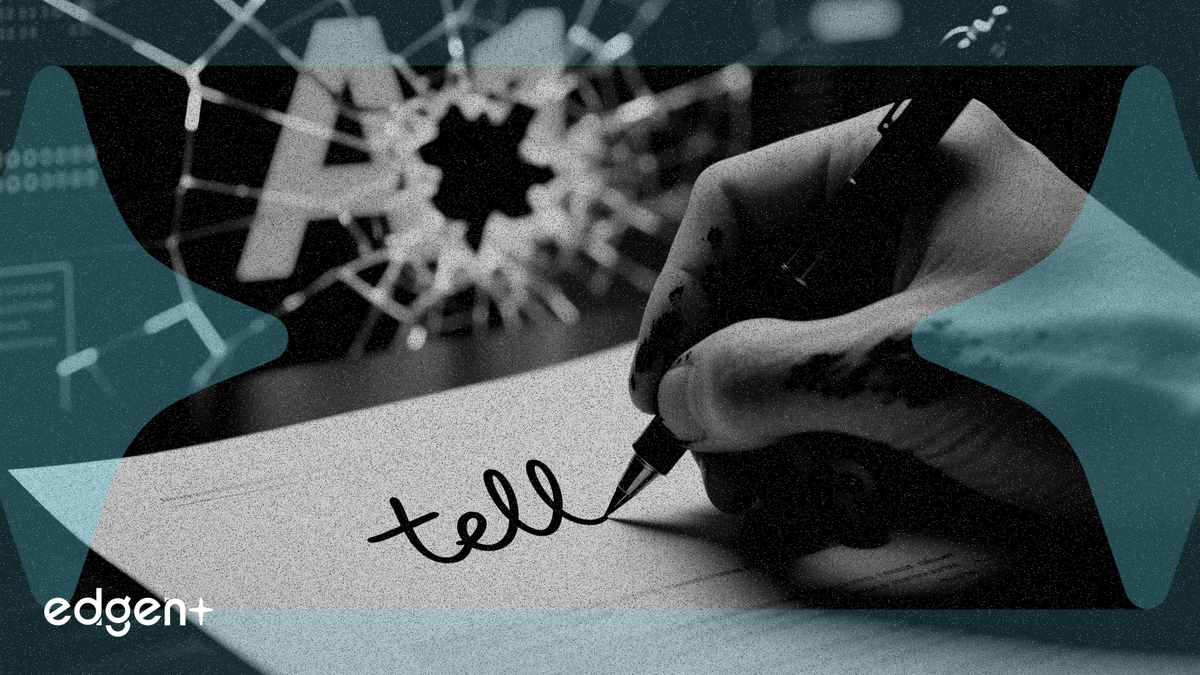
Một số lượng ngày càng tăng các người viết chuyên nghiệp đang cố tình thay đổi văn phong của họ để có vẻ giống con người hơn và tránh các cáo buộc sử dụng trí tuệ nhân tạo, một sự thay đổi đang âm thầm định hình lại giao tiếp trực tuyến và tạo nội dung. Thử nghiệm Turing ngược này bao gồm việc sử dụng ngôn ngữ "bình dân quá mức", lỗi đánh máy cố ý và tránh các câu văn quá bóng bẩy đã trở thành dấu hiệu đặc trưng của các mô hình ngôn ngữ lớn (LLM). Xu hướng này xuất hiện khi phần mềm phát hiện AI trở nên phổ biến hơn và khối lượng nội dung do máy tạo ra bùng nổ, với một phân tích gần đây ước tính rằng các bài báo do AI viết hiện đã nhiều hơn các bài báo do con người tạo ra.
"Nó giống như chủ nghĩa McCarthy mới vậy," Sarah Suzuki Harvard, một người viết quảng cáo 32 tuổi ở Brooklyn, người đã bắt đầu sử dụng ngôn ngữ bình dân hơn để chứng minh bản sắc con người của mình, cho biết. "Mọi người đang yêu cầu bằng chứng cho một thứ không thể chứng minh được."
Nỗ lực để nghe có vẻ giống con người hơn đã dẫn dắt những người viết tránh các dấu hiệu AI phổ biến như việc sử dụng thường xuyên dấu gạch ngang (em dash), danh sách ba mục và các cụm từ như "không phải x, mà là y". Một số người, như điều phối viên tài khoản tài chính Garrett Marcy, thừa nhận sử dụng AI để phác thảo nhưng sau đó chỉnh sửa rất nhiều, thậm chí chèn lại các câu dài dòng hoặc lỗi đánh máy của chính họ để lấy lại giọng văn riêng. Các phần mềm như Writehuman, một startup chỉnh sửa văn bản AI để nghe có vẻ giống con người hơn, đã xuất hiện để tận dụng xu hướng này, lưu ý rằng phân tích của họ cho thấy các LLM hiện tại lạm dụng các cụm từ như "thay vì" (rather than) và "thiết yếu cho" (essential for).
Sự thay đổi phong cách này có tác động trực tiếp tối thiểu đến thị trường tài chính nhưng mang lại những hàm ý quan trọng cho ngành công nghiệp truyền thông và tạo nội dung trị giá 250 tỷ USD. Khi ranh giới giữa văn bản do con người và máy tạo ra mờ nhạt dần, giá trị cảm nhận về tính xác thực đang tăng lên, tiềm tàng việc tạo ra mức giá cao cho nội dung có thể xác minh là do con người tạo ra. Điều này có thể ảnh hưởng đến mọi thứ, từ thù lao viết lách tự do đến uy tín cảm nhận của truyền thông doanh nghiệp và tài liệu tiếp thị, buộc các công ty phải điều hướng trong một bối cảnh mà việc nghe có vẻ quá hoàn hảo có thể là một gánh nặng.
Nỗi sợ bị cáo buộc oan là sử dụng AI là động lực chính của xu hướng này. Những người viết đã chứng kiến sự nghiệp bị hủy hoại bởi các cáo buộc như vậy, như trong trường hợp của cuốn sách "Shy Girl", đã bị nhà xuất bản Hachette thu hồi do các khiếu nại rằng nó được sáng tác một phần bởi AI. Điều này đã dẫn đến một bầu không khí nghi ngờ mà như một người viết đã lưu ý, ngay cả khi đọc các văn bản lịch sử có dấu gạch ngang cũng có thể kích hoạt một đợt kiểm tra tức thời "liệu đây có phải là AI?".
Điều trớ trêu là các mô hình AI được đào tạo trên lượng lớn văn bản của con người, học cách mô phỏng sự rõ ràng và phong cách được ca ngợi trong các sách hướng dẫn như "The Elements of Style" của Strunk & White. Tuy nhiên, chính sự trau chuốt này giờ đây lại có thể là một dấu hiệu tố cáo. Để đáp lại, một số người đang chống lại bằng sự lập dị. Ryan Johnson, người điều hành một blog dành cho các gia đình trẻ, đã ngừng sử dụng ChatGPT để phác thảo vì ông cảm thấy nó đang "làm loãng súp" và tước bỏ giọng văn riêng biệt của ông, bao gồm cả những trích dẫn khó hiểu từ bộ phim "The Office".
Cuộc chạy đua vũ trang trong nội dung AI
Hiện tượng này phản ánh một "cuộc chạy đua vũ trang leo thang" rộng lớn hơn giữa những người sử dụng AI và những người cố gắng phát hiện nó, như được mô tả bởi Richard She, một nhà sinh học tế bào gốc tại Đại học Công nghệ Nanyang. Các nghiên cứu đang bắt đầu định lượng quy mô dấu chân của AI. Một phân tích gần đây về gần 7.000 bản tóm tắt bản thảo nộp cho tạp chí Organization Science cho thấy các bản nộp có hơn 70% văn bản do AI tạo ra đã tăng hơn gấp đôi vào tháng 2 năm nay so với đầu năm 2024. Một nghiên cứu tiền ấn bản khác sàng lọc hơn 124.000 bản thảo trên arXiv cho thấy các bản thảo đánh giá khoa học máy tính với văn bản do AI tạo ra đã tăng vọt từ khoảng 7% vào năm 2023 lên 43% vào năm 2025.
Sự phổ biến này không chỉ giới hạn ở giới học thuật. Tại Trung Quốc, việc áp dụng rộng rãi các công cụ AI cho các nhiệm vụ hàng ngày đã biến nơi đây thành một bãi thử nghiệm khổng lồ, với hơn 600 triệu người sử dụng AI tạo sinh tính đến tháng 12 — tăng 142% so với cùng kỳ năm trước, theo Trung tâm Thông tin Mạng Internet Trung Quốc. Việc sử dụng rộng rãi này, từ đặt chỗ du lịch đến tạo trang web kinh doanh, đang nhanh chóng thu hẹp khoảng cách hiệu suất giữa các mô hình AI của Mỹ và Trung Quốc.
Đối với các nhà đầu tư, điểm then chốt không phải là tránh AI, mà là hiểu được vai trò đang phát triển của nó và phản ứng của thị trường đối với nó. Trong khi nhà đầu tư mạo hiểm Marc Andreessen ủng hộ một AI "khiêu khích, hung hăng" hơn, không bị ràng buộc bởi các hạn chế "woke", thị trường hiện tại dường như đang thưởng cho một loại xác thực khác. Sự gia tăng của các công cụ "nhân hóa" và nỗ lực có ý thức của những người viết nhằm đưa các "khuyết điểm" vào tác phẩm của họ gợi ý về một thị trường đang phát triển cho các dịch vụ có thể xác minh tác giả là con người hoặc mô phỏng một cách thuyết phục những sự không hoàn hảo của con người. Động lực này có thể ảnh hưởng đến việc đầu tư vào các công ty phát hiện AI, nền tảng tiếp thị nội dung và nền kinh tế sáng tạo rộng lớn hơn, nơi định nghĩa về "giá trị" đang được đàm phán tích cực.
Bài viết này chỉ mang tính chất thông tin và không cấu thành lời khuyên đầu tư.