
Key Takeaways: Warsh declared the global savings glut over and US growth strengthening, framing a "global investment surge" while affirming alignment with Bessent on bonds.
Key Takeaways: Warsh declared the global savings glut over and US growth strengthening, framing a "global investment surge" while affirming alignment with Bessent on bonds.
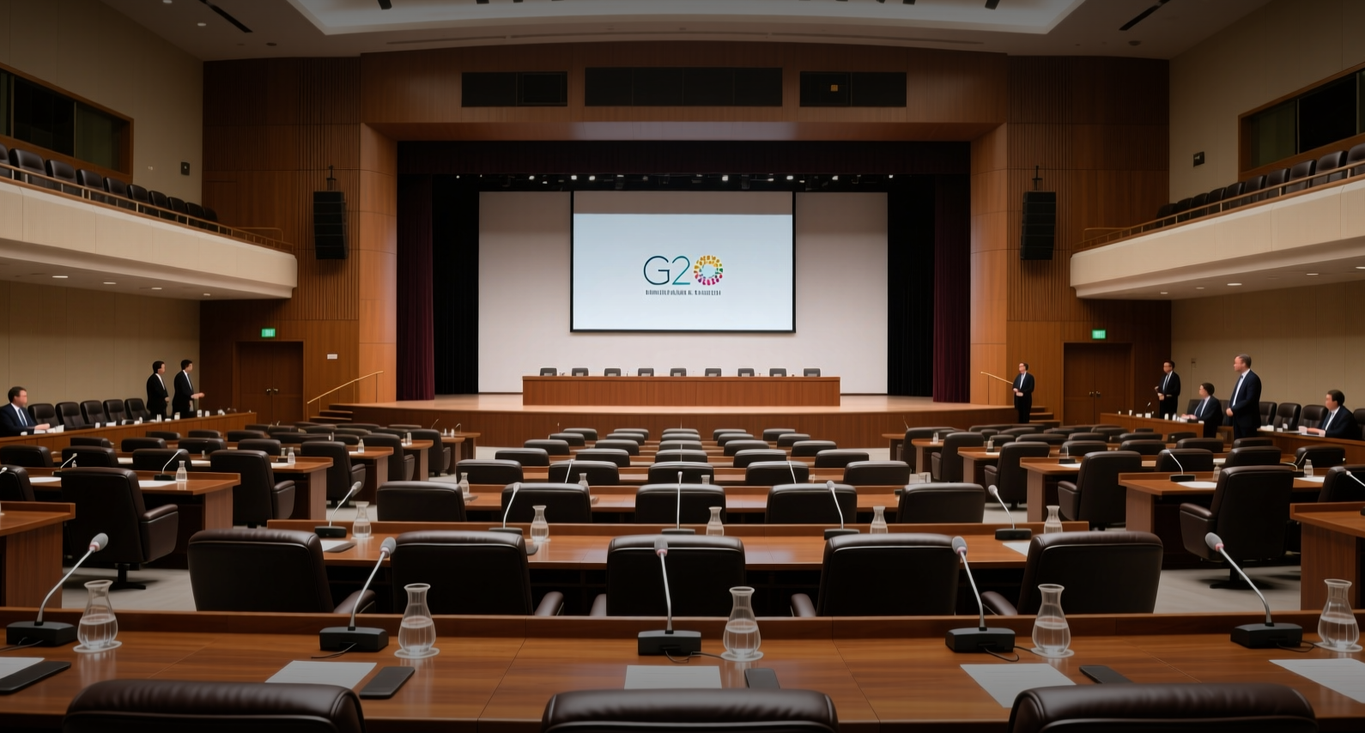
Federal Reserve Chair Kevin Warsh declared the global savings glut over and US economic growth strengthening, framing a new era of "global investment surge" while calling his working relationship with Treasury Secretary Scott Bessent "productive."
"Secular stagnation seems like a description of a past long ago. The new period is one of secular growth," Warsh said in opening remarks at the G-20 Finance Ministers and Central Bank Governors Ministerial on Monday. "The global savings glut seems to be a thing of the past. This is a period of global investment surge."
Bessent, speaking the same day, said he and Warsh are "aligned on bonds" and declined to speculate on what the Fed may or may not do. The coordinated messaging comes as markets weigh higher-for-longer US interest rates, with European shares edging up and US stocks near record highs after digesting Warsh's remarks.
The Fed-Treasury alignment matters because it signals a unified fiscal-monetary stance as the US confronts a $40 trillion debt milestone that Jefferies warns is raising Treasury yield risks and constraining the Fed's policy flexibility.
A Coordinated Message on Rates and Debt
Warsh's comments mark a notable break from the "secular stagnation" thesis that dominated post-2008 thinking, when economists including former Treasury Secretary Larry Summers argued weak demand would keep rates low. His framing of a "global investment surge" suggests the Fed sees stronger growth ahead — a view consistent with his signal that rates could rise despite President Donald Trump's demands for cuts.
The Fed chair has faced scrutiny over communication. Economists broadly agree that frequent, clear communication benefits markets, and in today's environment "a failure to communicate is simply not an option," according to analysis of Warsh's approach. His G-20 remarks offered markets a clearer read on the policy path.
Bessent's affirmation of bond-market alignment carries weight given the fiscal backdrop. Jefferies said US fiscal deterioration is becoming a key risk for global markets, with higher Treasury yields potentially pressuring equities and constraining the Fed's policy flexibility. The $40 trillion debt milestone highlights the stakes for the Fed-Treasury relationship.
Growth Data Supports the Surge Narrative
The "investment surge" framing finds support in recent data. US core capital goods orders climbed 0.9 percent in June, beating expectations and pointing to strong business spending, with AI expansion driving manufacturing activity. US stocks are trading near record highs, though the rally faces tests from August jobs data and Broadcom's results.
Warsh's growth optimism also comes as an Iran war rattles markets, with oil prices near $90 a barrel and renewed US-Iran tensions weighing on sentiment. The Fed chair's view that the economy is strengthening suggests he sees it as resilient enough to absorb these shocks — a stance that keeps rate-hike expectations alive.
The next test comes with the August jobs report, which investors will scrutinize for clues on the Fed's rate path. If growth holds up and inflation pressures persist, Warsh's "secular growth" framing could translate into higher rates for longer — a scenario that would ripple through Treasury yields, equities, and the dollar, while keeping the Fed and Treasury's coordinated stance in focus.
This article is for informational purposes only and does not constitute investment advice.
