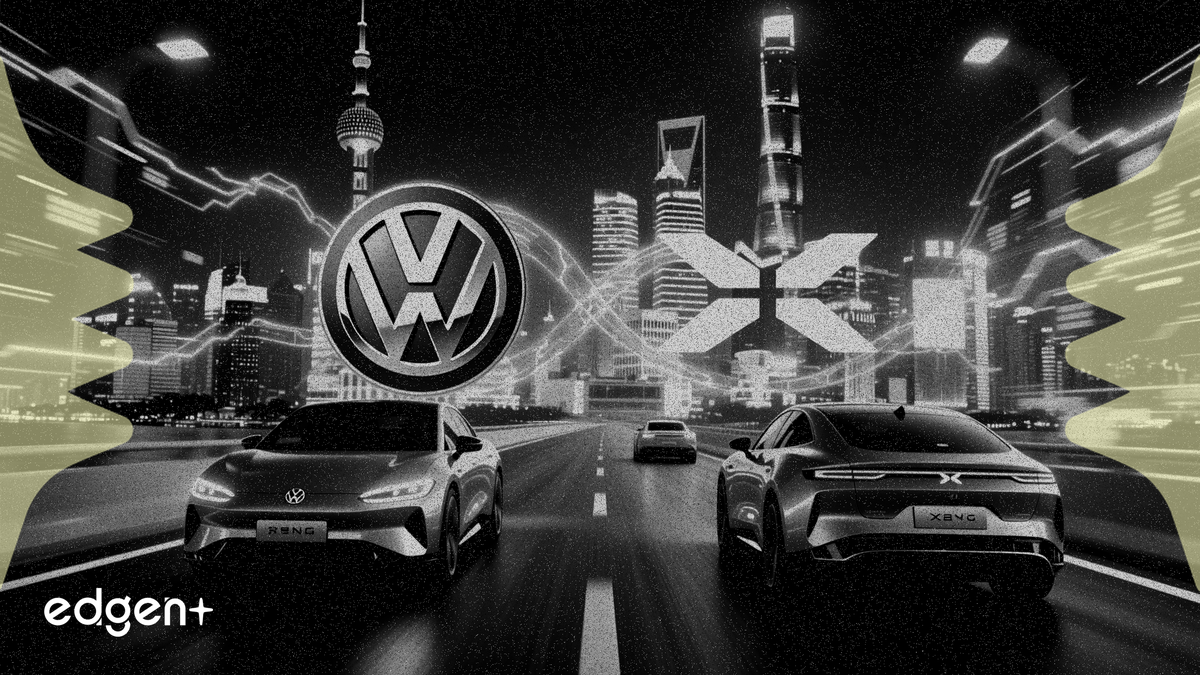
(Bloomberg) -- Volkswagen AG’s new partnership with Chinese electric-vehicle maker Xpeng Inc. signals a strategic shift for the German auto giant, underscoring the rising dominance of Chinese technology in the global automotive sector. The deal, announced on April 1, 2026, will have Xpeng develop software and hardware for Volkswagen's China-specific models.
"This is a clear admission from a legacy automaker that to win in China, you have to build in China with Chinese tech," said a senior auto analyst at a Shanghai-based consultancy. "Volkswagen is essentially leapfrogging years of R&D by integrating Xpeng's already mature ecosystem."
The partnership will focus on Xpeng's proprietary software architecture and advanced driver-assistance systems (ADAS), areas where many Western automakers have struggled to compete with local Chinese rivals. While Volkswagen's own software unit, Cariad, will continue to develop technology for the rest of the world, the Xpeng deal is a targeted solution for the hyper-competitive Chinese market. This is analogous to VW's partnership with Rivian for its software and hardware needs outside of China.
For investors, this partnership is a double-edged sword. It's a bullish sign for Volkswagen's and Xpeng's prospects in China, potentially boosting their market share. However, it's a bearish signal for other Western automakers like General Motors and Ford, who now face even greater pressure to either find local partners or risk falling further behind in the EV race. The move could also impact Rivian's stock, as it highlights the potential for VW to seek other partners for specific markets.
Further Analysis
The reliance on Xpeng's technology, particularly its software and ADAS, suggests that Volkswagen is prioritizing speed to market over in-house development. This could be a crucial advantage in a market where consumer preferences and technology evolve at a rapid pace. The deal also provides Xpeng with a significant revenue stream and a vote of confidence from a global automotive leader, which could bolster its own brand and valuation.
However, the long-term implications for the Western auto industry are concerning. The trend of legacy automakers turning to Chinese companies for core technology could lead to a hollowing out of their own R&D capabilities. It also raises questions about the future of partnerships like the one with Rivian, as automakers may increasingly opt for a region-specific, best-of-breed approach to technology sourcing.
This article is for informational purposes only and does not constitute investment advice.