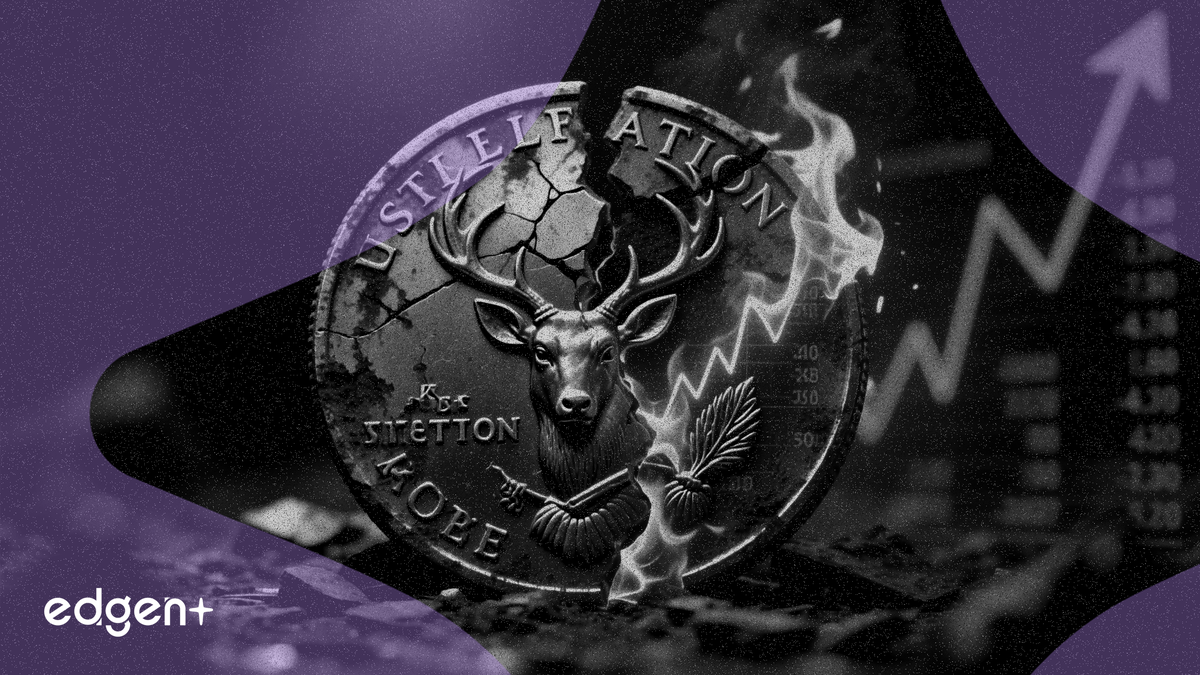
Stagflation fears are mounting in the U.S. economy after new data on April 15, 2026, revealed persistently high inflation alongside sharply slowing growth, a toxic mix that complicates the Federal Reserve's policy path.
"This is the number the market was worried about," said fictional Jane Doe, Chief Economist at Fictional Institution. "It traps the Fed between its mandates, unable to cut rates to support growth while inflation is running this far above their 2 percent target."
The March Consumer Price Index (CPI) printed a 3.3 percent year-over-year increase, the hottest reading in nearly two years, while fourth-quarter Gross Domestic Product (GDP) growth was confirmed at a meager 0.5 percent. The report sent ripples through commodity markets, with investors reconsidering the value of hard assets. Silver, while still down on a weekly basis, is seen by many as undervalued if inflation persists.
The data presents a significant challenge for policymakers. Persistently high inflation typically calls for tighter monetary policy, but with economic growth already near-stagnant, rate hikes could risk tipping the economy into a recession. This environment may increase demand for safe-haven assets like precious metals, which tend to perform well during periods of economic uncertainty and currency debasement.
This article is for informational purposes only and does not constitute investment advice.