
A high-level meeting signals a new era of regulatory scrutiny for AI's integration into the core of the US financial system.
A high-level meeting signals a new era of regulatory scrutiny for AI's integration into the core of the US financial system.
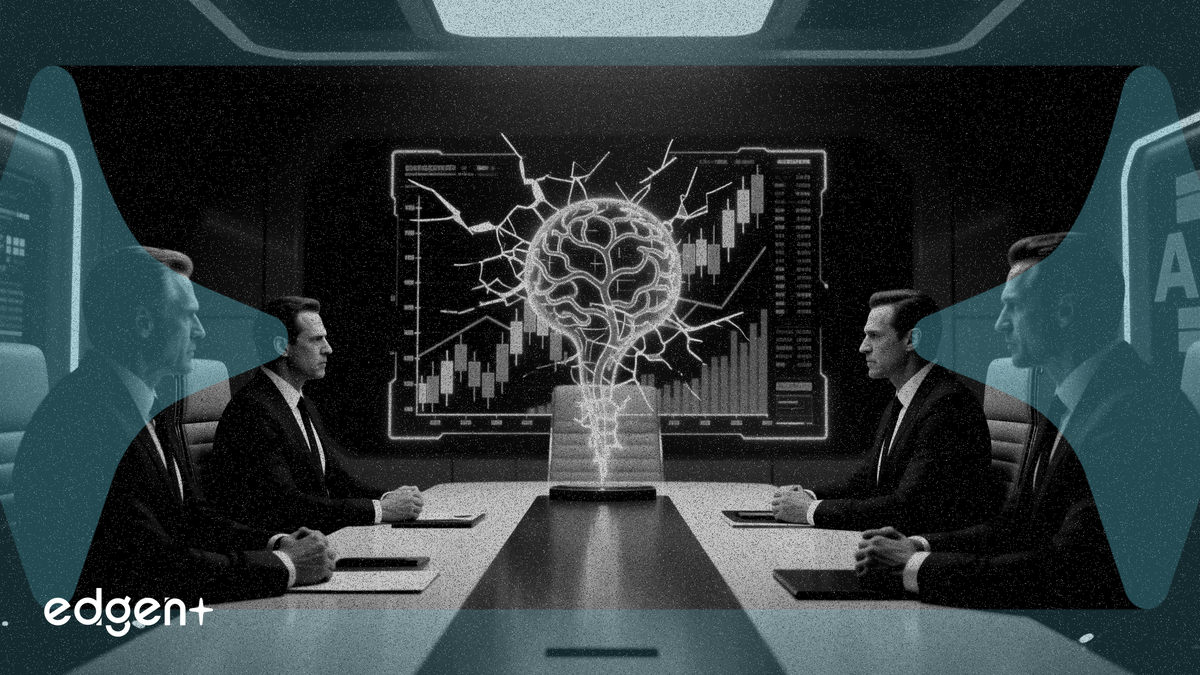
U.S. Treasury Secretary Besant and Federal Reserve Chair Powell convened an emergency meeting with the CEOs of 10 systemically important banks Tuesday to address the financial stability risks posed by advanced artificial intelligence models like Anthropic's new Mythos system.
The meeting, held at the Treasury Department in Washington and arranged at short notice, was intended to ensure banks are actively preparing for a new generation of AI-driven cyber threats, according to a Bloomberg report.
All banks summoned to the meeting are designated as systemically important financial institutions (SIFIs), highlighting the regulators' focus on containing risks that could cascade through the financial system.
The emergency session establishes the use of advanced AI as a top-tier risk for the financial sector, potentially heralding a wave of new regulatory requirements and increased compliance costs for banks leveraging the technology.
The catalyst for the high-level intervention is reportedly Anthropic's "Mythos" model. While details of the model's specific capabilities are not public, its emergence has prompted fears that such AI could be used to discover novel software vulnerabilities, design sophisticated cyberattacks, or manipulate financial markets in ways current defense mechanisms are not equipped to handle.
This direct intervention by the heads of the Treasury and Federal Reserve marks a significant escalation in the oversight of technology risk. It moves beyond previous guidance on cybersecurity to directly address the systemic threats posed by specific AI models, a sign that regulators are becoming more proactive after holding the federal funds rate at a 23-year high of 5.25-5.50% to ensure financial stability.
Following the meeting, financial institutions will likely face heightened expectations to demonstrate robust defenses and contingency plans against AI-perpetrated risks. This could translate into substantial new investments in cybersecurity infrastructure and a more cautious approach to integrating third-party AI models into critical operations. The next move may come from the Financial Stability Oversight Council (FSOC), which Besant chairs, in the form of formal guidance or a dedicated task force.
This article is for informational purposes only and does not constitute investment advice.