
이란의 세계 핵심 석유 수송로 봉쇄를 뚫기 위한 미국의 작전이 개시 48시간 만에 중단되었으며, 트럼프 대통령은 직접적인 교전에도 불구하고 평화 회담의 진전을 언급했습니다.
이란의 세계 핵심 석유 수송로 봉쇄를 뚫기 위한 미국의 작전이 개시 48시간 만에 중단되었으며, 트럼프 대통령은 직접적인 교전에도 불구하고 평화 회담의 진전을 언급했습니다.
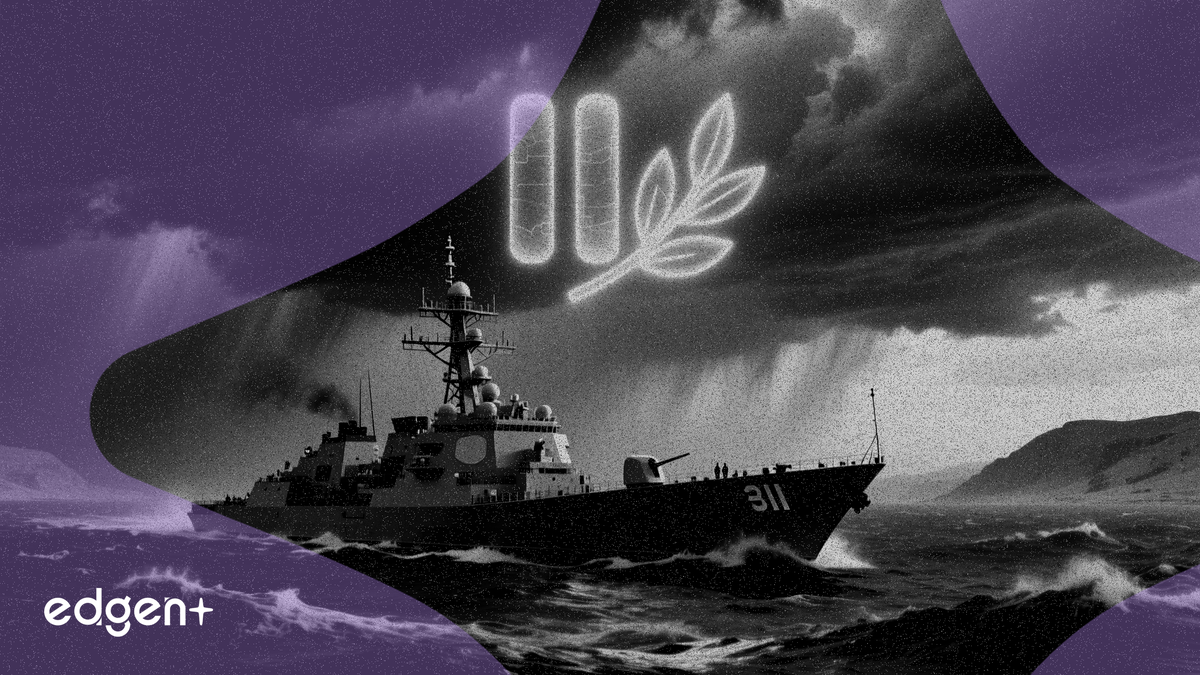
미국은 상선들이 호르무즈 해협을 통과할 수 있도록 호송하는 주요 군사 작전을 중단했습니다. 이는 작전 개시 단 이틀 만에 발생한 극적인 반전으로, 이란과의 직접적인 충돌을 야기하고 지역 내 취약한 휴전 상태를 위협한 후 내려진 결정입니다.
도널드 트럼프 대통령은 화요일 자신의 트루스 소셜(Truth Social) 플랫폼에 "파키스탄과 다른 국가들의 요청에 따라... 그리고 완전하고 최종적인 합의를 향한 큰 진전이 이루어졌다는 사실에 기반하여... '자유 작전'을 짧은 기간 동안 중단할 것"이라고 적었습니다.
이 단기 작전 기간 동안 미국 유도 미사일 구축함이 페르시아만에 진입하여 최소 6척의 이란 선박을 침몰시키고 미사일을 요격했습니다. 이에 대응하여 이란은 에미레이트 소유의 유조선을 포함한 여러 상선을 공격하고 미국 군함에 발포했으며, 2월 28일 해협 폐쇄 이후 가격이 급등한 글로벌 에너지 시장을 더욱 요동치게 했습니다.
갑작스러운 작전 중단은 전 세계 석유 공급량의 5분의 1을 처리하는 수로를 둘러싼 대치 상황에 새로운 불확실성을 불어넣고 있습니다. 백악관은 이번 조치를 긴장 완화를 향한 단계로 묘사하고 있지만, 최근의 교전은 이 지역을 다시 전면전으로 몰아넣고 심각한 글로벌 경제 충격을 초래할 수 있는 오판의 위험이 높음을 보여줍니다.
'자유 작전'으로 명명된 미국의 이니셔티브는 걸프만에 갇힌 1,550척의 선박에 탑승한 약 2만 2,500명의 선원을 구출하기 위한 인도주의적 임무로 규정되었습니다. 미국 중부사령부는 상업적 통행을 위한 방어막을 구축하기 위해 유도 미사일 구축함, 100대 이상의 항공기, 1만 5,000명의 병력을 배치했다고 밝혔습니다.
오픈 소스 추적 데이터에 따르면 작전 기간 동안 최소 11척의 상선이 해협을 성공적으로 통과했는데, 이는 월요일의 2척에서 크게 증가한 수치이지만 여전히 전쟁 전 교통량의 18%에 불과합니다. 머스크(Maersk)는 자사 선박 중 한 척이 미군의 호송 아래 걸프만을 빠져나올 수 있었다고 확인했습니다.
임무는 거의 즉시 무력 충돌로 이어졌습니다. 수로를 실질적으로 통제해 온 이란 이슬람혁명수비대(IRGC)는 미국 군함과 상선 모두에 발포했습니다. 한국 화물선이 공격을 받은 것으로 의심되는 사건이 발생했고, UAE는 국영 석유 회사 소속 유조선이 드론의 공격 대상이 되었다고 보고했습니다. 미국 군은 민간 선박을 겨냥한 최소 6척의 소형 이란 보트를 침몰시키며 대응했습니다.
이번 긴장 고조는 4월 8일부터 유지되어 온 휴전 협정을 배경으로 발생했습니다. 피트 헤그세스 국방장관을 포함한 미국 고위 관리들은 휴전이 종료된 것이 아니라고 주장했습니다. 헤그세스 장관은 브리핑에서 "이것은 별개의 독립적인 프로젝트"라며, 작전 중단 이후 미국 군을 향한 이란의 공격이 최소 10차례 있었으나 이는 대규모 전투 작전을 재개할 문턱에는 미치지 못한다고 주장했습니다.
그러나 이란은 미국이 이란 항구를 계속 봉쇄함으로써 휴전을 위반했다고 비난하고 있습니다. IRGC는 해협 내 선포된 통제 구역을 확장한 새 지도를 발표하며, 승인된 항로를 벗어나는 모든 선박에 대해 "결정적인 조치"를 취할 것이라고 경고했습니다.
이번 중단은 위험 부담이 큰 도박입니다. 전 백악관 고문 그랜트 럼리는 중단 발표 전, 통행을 확보하기 위해서는 더 '물리적인' 군사 옵션이 필요할 것이라고 말했습니다. 그는 "적대 행위의 재개는 '여부'의 문제가 아니라 '시기'의 문제라는 것이 일반적인 합의라고 생각한다"고 말했습니다. 이번 중단이 일시적인 퇴로를 제공할 수는 있지만, 양측의 레드라인이 시험받고 있는 상황에서 외교적 합의로 가는 길은 여전히 위험으로 가득 차 있습니다.
이 기사는 정보 제공 목적으로만 작성되었으며 투자 조언을 구성하지 않습니다.
