
분쟁을 종식하고 호르무즈 해협을 재개하려는 미-이란 간의 잠재적 합의가 이스라엘의 강력한 반대에 부딪히며 지역 동맹과 시장 안정성을 시험하고 있다.
분쟁을 종식하고 호르무즈 해협을 재개하려는 미-이란 간의 잠재적 합의가 이스라엘의 강력한 반대에 부딪히며 지역 동맹과 시장 안정성을 시험하고 있다.
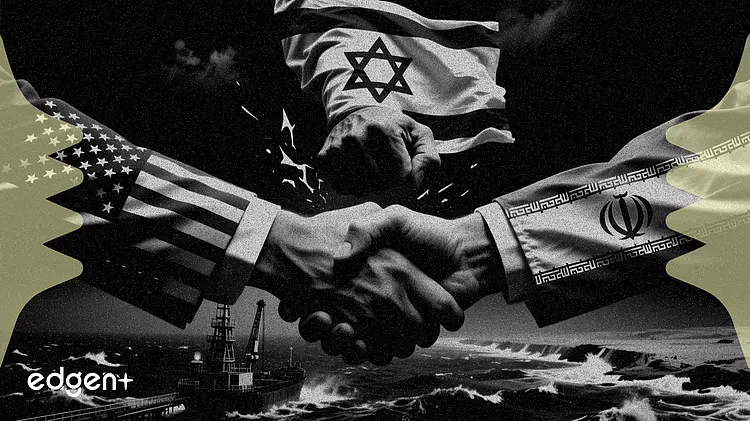
현재의 갈등을 종식시키고 핵심적인 호르무즈 해협을 재개하기 위한 미국과 이란 사이의 기본 합의가 완성 단계에 접어들었으나, 핵심 동맹국인 이스라엘과 미국의 강경파 상원의원들로부터 상당한 저항에 직면해 있습니다. 도널드 트럼프 대통령은 토요일에 합의가 "대체로 협상되었다"며 곧 발표될 것이라고 밝혔습니다. 이는 글로벌 에너지 시장을 뒤흔들었던 갈등을 완화할 수 있는 움직임입니다.
"매일매일 상황이 좋아지고 있습니다"라고 트럼프 대통령은 말하며, 어떠한 잠재적 합의도 이란의 농축 우라늄이 "만족스럽게 처리"되도록 보장할 것이라고 덧붙였습니다. Axios가 인용한 미국 관리에 따르면, 이 각서의 핵심은 전쟁을 종식하고, 호르무즈 해협을 점진적으로 재개하며, 복잡한 핵 협상은 미루는 한편 최소 30일간의 후속 협상을 시작하는 것입니다.
초기 시장 반응을 살펴보면, Polymarket의 "5월 26일까지 미-이란 영구 평화 합의" 계약이 56센트로 급등하여 600만 달러의 거래량 속에서 56%의 확률을 나타냈습니다. 비트코인 또한 트럼프의 발표가 단기 전쟁 위험을 줄인 것으로 보이면서 소식 직후 반등하여 76,676달러의 고점을 찍었습니다. 그러나 세부 사항이 드러나면서 합의의 실효성에 의문이 제기되고 있습니다. 이란은 해협에 대한 "관리권"을 유지하며 선박 통행을 통제하겠다고 주장하는 반면, 이스라엘은 합의를 무산시키기 위해 필사적인 외교적 노력을 기울이고 있습니다.
이스라엘 채널 12 뉴스는 제안된 조건들을 "이스라엘에 끔찍한 내용"이라고 묘사했으며, 이에 베냐민 네타냐후 총리는 안보 수장들과 긴급 회의를 소집했습니다. 이스라엘 관리들은 이번 합의가 새로운 전쟁을 "어떤 대가를 치르더라도" 피하려는 한 미국 특사에 의해 추진되고 있다고 믿는 것으로 전해졌습니다. 언론 보도에 따르면 네타냐후는 앞서 트럼프에게 합의를 포기하고 이란에 대한 군사 타격을 재개할 것을 촉구한 바 있습니다. 이러한 반발은 워싱턴으로도 이어져, 여러 명의 고위 공화당 상원의원들이 해당 조건들을 "이스라엘의 악몽"이라고 비판했습니다.
이번 잠재적 돌파구는 집중적인 지역 중재의 결과입니다. 파키스탄의 아심 무니르 육군참모총장은 테헤란 방문을 "짧지만 효과적"으로 마쳤으며, 회담을 통해 당사자들이 최종 이해에 더 가까워진 것으로 알려졌습니다. 동시에 아바스 아라그치 이란 외무장관은 오만 외무장관 및 파키스탄 육군참모총장과 회담을 갖고 추가적인 긴장 고조를 막기 위해 논의했습니다. 트럼프 대통령은 또한 사우디아라비아, UAE, 카타르, 터키, 이집트 지도자들과 통화했으며, 이들은 지역 안정을 위해 합의를 수용할 것을 촉구한 것으로 전해졌습니다.
전 세계 석유의 약 5분의 1이 통과하는 호르무즈 해협을 중심으로 이해관계가 매우 첨예합니다. 약 200만 배럴의 원유를 실은 일본 관리 선박 '이데미츠 마루'호의 성공적인 통과가 이 수로의 상업적 중요성을 잘 보여줍니다. 그러나 영국 해사무역기구(UKMTO)가 예멘 소코트라 섬 인근에서 보안 사고가 계속되고 있다고 보고함에 따라, 이번 합의가 확보하고자 하는 해상 경로의 취약성은 여전히 위험 요소로 남아 있습니다.
이 기사는 정보 제공만을 목적으로 하며 투자 조언을 구성하지 않습니다.
