
Rising gas prices are stretching American budgets, with the national average at $4.11 a gallon, forcing consumers to make tough choices between necessities and discretionary spending.
Rising gas prices are stretching American budgets, with the national average at $4.11 a gallon, forcing consumers to make tough choices between necessities and discretionary spending.
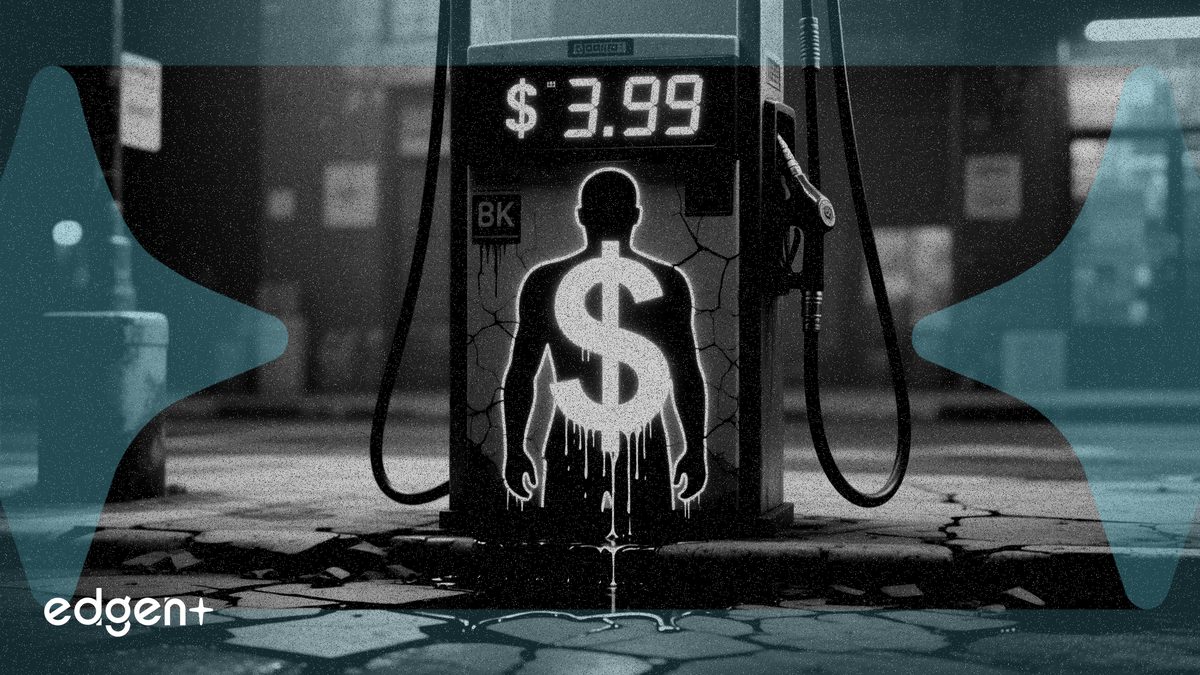
Soaring fuel costs are testing the patience and resilience of American consumers as the national average price for a gallon of gasoline climbs to $4.11. In states like Louisiana, the jump has been particularly steep, with the statewide average hitting $3.79, a sharp increase from $2.72 just a month ago, according to AAA data. The relentless rise in prices at the pump is forcing many to rethink their budgets and daily habits.
"A common misconception is that gas stations make a ton of money on fuel, when in fact the reality is the margins on fuel have always been very thin," said Duc Nguyen, owner of the Food N’ Geaux station in Baton Rouge. He focuses on providing value through his convenience store offerings, like shrimp fried rice and fish strips, to support customers who are feeling the pressure from inflation.
The financial strain is palpable among consumers. Aaron Goings, a state government employee who drives roughly 70 miles a day for work, recently spent $87 to fill his tank. For Dwayne Nathan, a junior high band director with a long commute, a $65 fill-up is a stark reminder that "everything is going up, gas going up, but we have the same paycheck.”
This surge in fuel costs acts as a direct tax on the American consumer, siphoning money away from discretionary spending and fueling broader inflation concerns. The impact is being felt across various sectors, from transportation and logistics to retail and services, as individuals are forced to allocate more of their income simply to get to work, leaving less for other goods and services.
At the Food N’ Geaux, the mood varies from tense to resigned. Jonathan Harts, who works up to 84 hours a week in oil refinery construction, expressed frustration that his long hours are still not enough to comfortably absorb rising costs while supporting his mother. "It's just sad, people working just to pay for gas...daycare," he said after spending $78 on gas.
For others, the pinch is forcing direct trade-offs. Bailey Mott, an 18-year-old student and deli worker, could only afford to put $18.85 in his truck—just enough to get to work and his welding program—because he needed to save money for his younger siblings' Easter presents. Similarly, retiree Ronnie Gauthier is now trying to consolidate his errands, loading up on groceries to avoid making multiple trips and save on fuel.
The sentiment is not universally negative, however. Lenny Viola, a 63-year-old lawn service owner, expressed reluctant support for the administration's policies despite the higher costs. "The bigger picture, I think, even though I don’t like it, I agree with what he’s doing," he said, referencing foreign policy regarding Iran.
The effects of higher gas prices extend beyond individual budgets, creating a ripple effect through the local economy. Small business owners are facing margin pressure and tough decisions. Michael Meek, a construction project manager, is looking for extra income by selling his homegrown honey at the gas station to keep up with inflation across the board, from fuel to flood insurance.
Others are passing the costs on. Earl Powers, a car mechanic, said he will charge customers extra if he needs to drive to them for a job. The service industry is also feeling the squeeze. Hair stylist Jackie Tinsley-Rodriguez notes that her industry is struggling as potential clients are forced to choose. "People are making choices, and to be able to get to work is a necessary choice," she explained, while worrying about the cost of driving her daughter to roller derby tournaments.
The uncertainty of how long these prices will last makes it difficult for consumers and businesses to plan. "If I understood the bigger plan, you know, maybe I could just kind of hunker down knowing this is something we have to deal with," said state employee Aaron Goings. "But as it is right now because I don’t know what’s coming next... I feel like I’m trying to stock up for a worst case scenario and at the same time don’t have the means to really stock up."
This article is for informational purposes only and does not constitute investment advice.